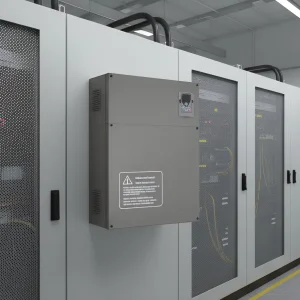
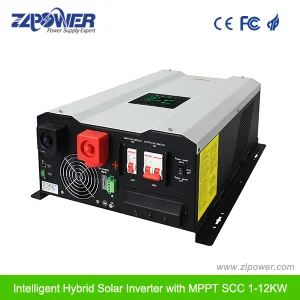
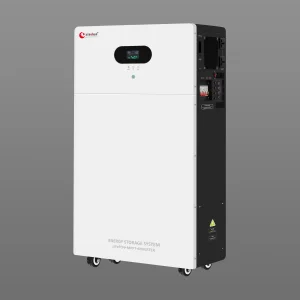
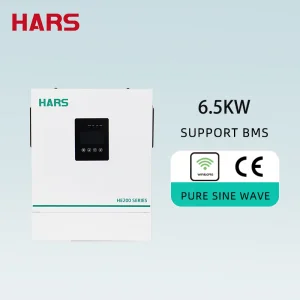
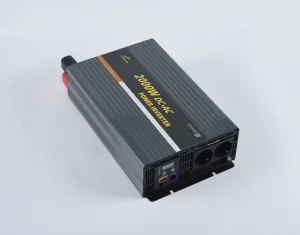
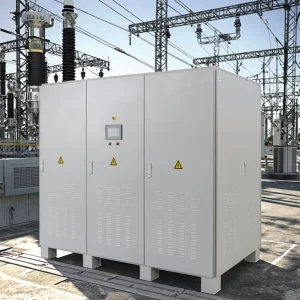
Explore our top-tier photovoltaic power optimization solutions, engineered for residential microgrids, commercial rooftop arrays, and heavy industrial vector control applications.

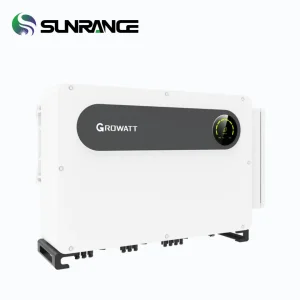
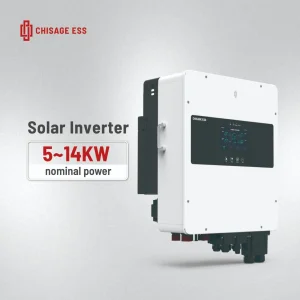
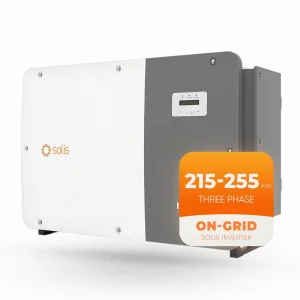
As global energy infrastructures accelerate their transition toward decarbonization, the clean technology sector has crossed the critical threshold of unsubsidized Grid Parity. Today, the core bottleneck in solar energy deployment is no longer merely the cost per peak watt ($/Wp) of photovoltaic (PV) modules, but the systemic yield efficiency, dynamic grid compliance, and operational resilience of power conversion architectures. Solar power optimization has evolved from a simple passive Maximum Power Point Tracking (MPPT) function into an integrated, digitally managed dynamic control ecosystem.
Modern photovoltaic systems are constantly exposed to complex environmental stresses, including partial shading from cloud transients, localized dust accumulation, non-uniform module degradation, thermal mismatching, and dynamic grid voltage swings. Traditional string topologies often suffer from the "weakest link" bottleneck, where the lowest-performing module dictates the current output of the entire array. To overcome these thermodynamic and electrical constraints, modern engineering prioritizes advanced power electronics—ranging from Module-Level Power Electronics (MLPE) to multi-channel high-power hybrid inverters capable of granular MPPT control.
Deploying state-of-the-art power optimization devices yields a measurable direct impact on solar ROI: overall system energy yield increases by 5% to 25% under shaded or complex conditions, systemic Balance of System (BOS) thermal strain is mitigated by up to 30%, and mean time between failures (MTBF) extends beyond 100,000 operational hours.
By integrating intelligent DC-to-DC optimizers, low-latency hybrid vector-control inverters, and high-density energy storage interfaces, EPC contractors and enterprise asset managers can effectively eliminate mismatch losses, secure predictable cash flows, and safeguard critical electrical assets against catastrophic harmonic disruptions.
The global appetite for advanced power conversion equipment varies distinctly across regional markets, driven by regional grid stability, industrial electrification requirements, and decarbonization mandates:
Focus heavily on safety compliance (Rapid Shutdown ANSI/UL 1741 SB), grid-tied hybrid functionality with seamless micro-grid switching (zero transfer time < 10ms), and high-frequency dual-MPPT smart residential setups paired with high-voltage lithium battery walls.
Demand ruggedized, heavy-duty off-grid and hybrid low-frequency inverters capable of withstanding extreme surge currents (motor launching, heavy inductive loads), wide input voltage bands, and harsh ambient operating temperatures up to 60°C.
Prioritize high-power 100kW+ utility grid-tied inverters featuring advanced V/F and vector control, robust dynamic power factor correction, and real-time cloud telemetry via Modbus/RS485 and IoT Wi-Fi/4G bridges.
As solar hardware matures, competitive advantages are established through digital control algorithms, wide-bandgap semiconductors, and integrated energy storage management. Four core trends define the industry's trajectory:
Transitioning from traditional Silicon IGBTs to Wide-Bandgap Silicon Carbide (SiC) MOSFETs dramatically reduces switching losses, allows high operating frequencies (up to 100kHz), decreases magnetic component footprint by 40%, and achieves full-load peak efficiencies exceeding 98.8%.
Conventional MPPT algorithms frequently get trapped in local power maximums during complex partial shading. Advanced neural-network-backed firmware scans the entire P-V curve within milliseconds, identifying global maximum power points (GMPP) to extract maximum potential kilowatt-hours continuously.
Modern optimized inverters seamlessly bridge high-voltage photovoltaic arrays with chemical energy storage (LiFePO4). Featuring multi-stage intelligent charging profiles and V2G (Vehicle-to-Grid) capability, these systems function as key nodes in smart energy networks.
China's solar equipment manufacturing sector has transitioned from large-scale assembly to high-precision Industry 4.0 smart manufacturing. Utilizing fully automated Surface Mount Technology (SMT) lines, automated optical inspection (AOI), and AI-controlled power burn-in testing chambers, top-tier Chinese facilities deliver world-class build quality at compelling total cost structures.
Situated in the heart of China’s electronics powerhouse—Guangzhou—leading manufacturers leverage an unrivaled component supply ecosystem. Raw materials, high-frequency magnetic transformers, premium capacitors, and semiconductor modules are sourced within a 50-kilometer radius, ensuring exceptionally short lead times, rapid prototype iterations, and complete resilience against global logistical bottlenecks.
Furthermore, strict adherence to international standardizations—including ISO9001 quality management systems, European CE low-voltage directives, and RoHS hazardous substance restrictions—guarantees that products leaving China’s premier manufacturing plants satisfy demanding global regulatory requirements.
For utility developers, commercial solar EPCs, and regional distributors, selecting the right solar inverter and power optimizer partner demands careful technical due diligence. Below is an essential technical checklist for evaluating global manufacturing partners:
Solar power optimizers and versatile inverters operate across diverse operational environments worldwide. Tailoring conversion hardware to specific application contexts is vital for long-term project viability:
In rural or weak-grid regions, 3kW-12kW off-grid pure sine wave hybrid inverters paired with lithium battery banks supply continuous power, replacing diesel generators with zero carbon emissions and silent operation.
Utilizing high-voltage 50kW-100kW grid-tied three-phase inverters equipped with multiple MPPT trackers enables factory roofs to convert solar radiation directly into three-phase AC, dramatically reducing peak energy tariff costs.
Vector-control frequency inverters (such as V/F 3-phase industrial drivers) deliver smooth startup torque for heavy pumps, conveyors, and mining equipment, minimizing electrical grid spikes and mechanical wear.
Guangzhou HanFong New Energy Technology Co., Ltd. is an audited leader and premier manufacturer specializing in high-performance solar inverters, pure sine wave power converters, and solar charge controllers. Operating as an industry trailblazer since 2013, our corporate headquarters and production base are strategically located in Guangzhou City, China, providing efficient logistics channels via air and ocean freight to international ports worldwide.
Backed by robust R&D engineering and stringent quality control standards, HanFong products are globally recognized for exceptional efficiency, thermal stability, and operational reliability. Our diverse power inverter product line integrates seamlessly into off-grid solar systems, residential energy storage units, and complex commercial solar installations.
Spanning a modern 5,000-square-meter smart production facility staffed by 150 highly proficient technicians and manufacturing professionals, HanFong possesses full capabilities to execute demanding high-volume OEM and ODM projects. We strictly comply with European quality protocols, earning full CE and RoHS certifications. We serve business partners across North America, Europe, Africa, South America, the Middle East, and Asia, maintaining full confidence in meeting exact client specifications.

Browse our full range of wall-mounted energy storage systems, industrial vector control units, low-frequency off-grid inverters, and portable lithium power generation equipment.
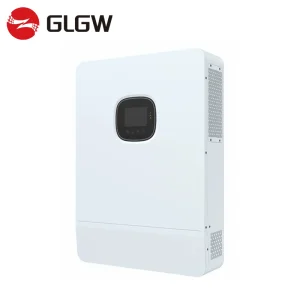
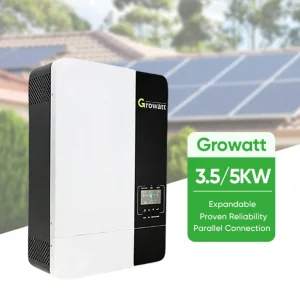
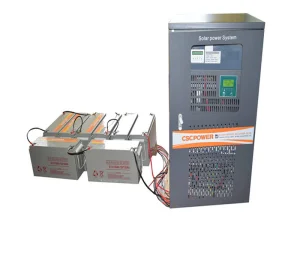
 Sriram Electricals