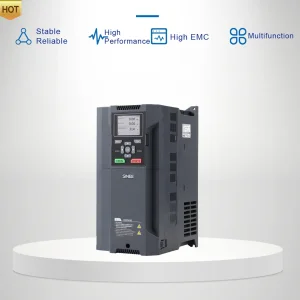
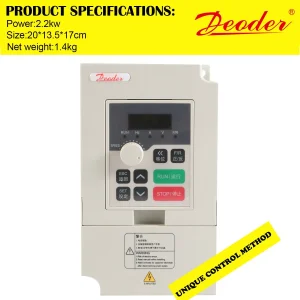
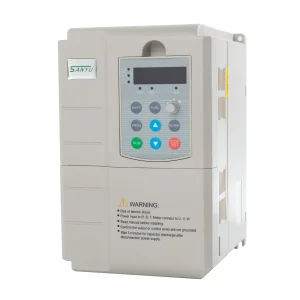
Designed specifically to counter severe grid fluctuations and run heavy-duty machinery in Lubumbashi, Kinshasa, and remote mining sites.
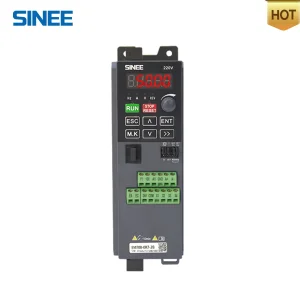
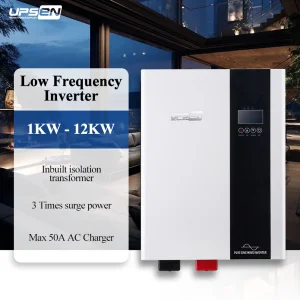
The Democratic Republic of the Congo (DRC) is poised to be one of the key drivers of the global green energy transition due to its massive reserves of cobalt, copper, and lithium. However, the localized industrial reality within the DRC presents severe logistical and infrastructural hurdles. Despite possessing vast potential from the Inga Dam, the national grid managed by SNEL (Société Nationale d'Électricité) remains highly fragmented, unstable, and concentrated mostly in urban hubs or specific industrial corridors. For mining enterprises, agricultural processors, telecommunications sites, and critical public facilities, power grid stability is practically non-existent.
This operational environment demands heavy-duty power electronics that can survive the harsh physical and electrical conditions. Voltage drops to 140V on nominal 220V lines, high-frequency line noise caused by arc furnace operations in mining camps, and severe lightning strikes necessitate robust power system components. In these circumstances, high-frequency (electronic-based) inverters are prone to premature failure due to their delicate components and lack of galvanic isolation. Conversely, low frequency inverters, equipped with substantial copper-wired toroidal transformers, provide the physical buffer and inductive storage required to absorb massive grid fluctuations and provide clean output to critical loads.
Industries operating in Lualaba and Haut-Katanga provinces run large inductive equipment, including heavy ventilation blowers, deep well slurry pumps, crushing mills, and sorting conveyors. When these motors start, they require massive starting currents—often up to six to eight times their running current. Our heavy-duty low-frequency inverters, constructed with toroidal transformers, handle these transient overloads without shutting down or causing component degradation.
For the telecom industry, off-grid BTS (Base Transceiver Stations) located across remote rainforest regions cannot afford down-time. These stations require clean, continuous pure sine wave AC power derived from hybrid solar battery banks. A low-frequency inverter serves as the critical node, protecting delicate telecom controllers from lightning-induced voltage surges and severe thermal stress.
For buyers, engineering procurement managers, and developers looking at long-term installations in the DRC, understanding the underlying technology is key to maximizing ROI and reducing maintenance cycles. The table below outlines why heavy-duty transformer-based low-frequency systems are standard in demanding African projects.
| Performance Parameter | HanFong Low-Frequency (Transformer-Based) | Standard High-Frequency (Switch-Mode) | Real-World DRC Impact |
|---|---|---|---|
| Overload Surge Capability | Up to 300% of nominal rating for 20-30 seconds. | 120% to 150% for milliseconds. | Low Frequency easily starts water pumps and compressor motors. |
| Galvanic Isolation | Complete physical isolation between DC input and AC output. | No isolation transformer; direct MOSFET bridge. | Protects battery bank from catastrophic grid-side lightning strikes. |
| Thermal Endurance | High thermal mass of toroidal iron core; slower heat rise. | Relies entirely on heat sinks and high-airflow fans. | Superior lifespan in high ambient humidity and dust. |
| Harmonic Distortion (THD) | < 3% Pure Sine Wave even with non-linear loads. | Prone to wave distortion under heavy inductive loads. | Ensures stable operation of sensitive mining instrumentation and computers. |
Expert Engineering Insight: High-frequency inverters fail when operating close to high-dust and high-temperature environments. In contrast, HanFong Low Frequency Inverters use heavy iron cores that absorb heat and voltage spikes, offering long-term reliability for local industries.
Optimizing energy efficiency and startup currents for mining equipment, municipal pump systems, and agricultural processing mills.
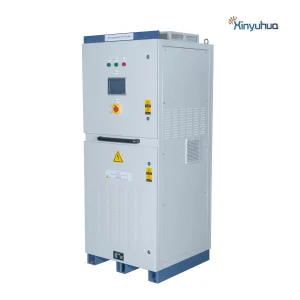
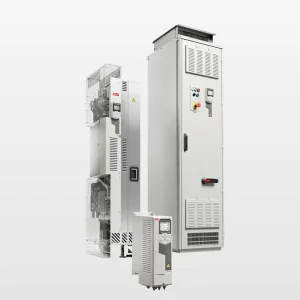
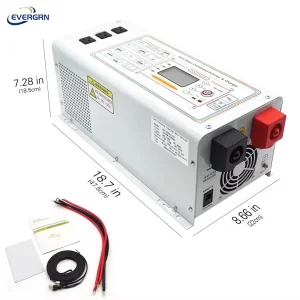
As the DRC government and private sectors push for reduced diesel consumption and alignment with ESG targets, the design of energy micro-grids is shifting toward hybrid systems. Integrating solar arrays, lithium battery energy storage systems (BESS), and low-frequency hybrid inverters with backup diesel generators represents the standard for remote operations. Guangzhou HanFong has developed specialized macro solutions to address these operational configurations:
Engineered to replace baseline diesel generators during daylight hours. Our 10kW to 100kW parallel systems manage peak loads and solar charging, saving millions of liters of diesel fuel annually in isolated mining zones.
Designed to support processing facilities for cassava, coffee, and maize. Provides starting currents for high-torque grinding mills and packaging machines without relying on unstable regional grids.
Ensures 99.9% uptime for remote cellular masts. Utilizing built-in MPPT chargers and IoT connectivity modules, operators can monitor remote battery health, solar generation, and load curves in real time.
Exporting electrical systems to the DRC requires navigating import regulations, verification of conformity, and specialized freight shipping logistics. Guangzhou HanFong has developed dedicated pipelines and product compliance systems to support importers in Kinshasa, Lubumbashi, Goma, and Matadi:
All electrical imports into the Democratic Republic of the Congo must comply with the requirements of the Office Congolais de Contrôle (OCC). Guangzhou HanFong ensures that all export orders undergo pre-shipment inspections. Our products hold CE and RoHS certifications, and we provide complete test documentation to secure clean Bills of Lading and fast customs clearance at ports of entry.
Depending on your project's location within the DRC, we optimize transit routes to control shipping times and costs:
Standard electronic devices struggle with high humidity, dust, and insects. HanFong implements targeted design upgrades for the DRC market, including conformal coating on all internal control PCBs, sealed transformer housings, and insect-proof dust grates.
Every system features pure sine wave output, smart charging algorithms, and durable designs tailored for high-demand infrastructure.
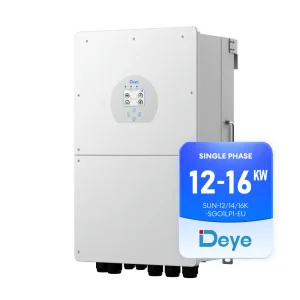
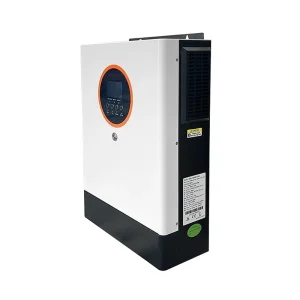
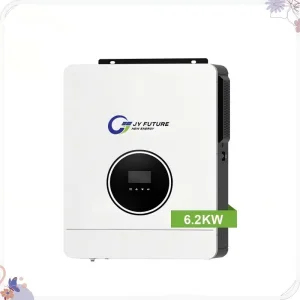
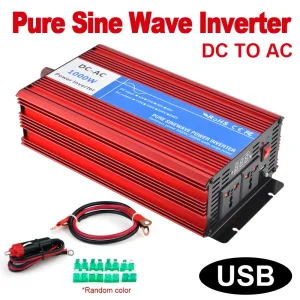
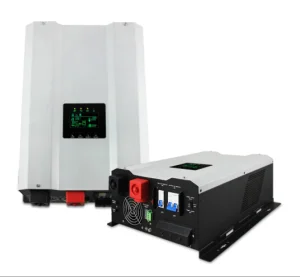
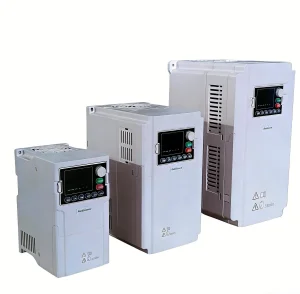
Guangzhou HanFong new energy technology Co., Ltd. is audit manufacturer of all kinds of inverter and soalr charge controller products. Our factory has been an electrical leader in products since 2013. Specialized in DC to AC power inverters , located in Guangzho City of China ,it is convinient to transport by air or by sea. With good reserch and development ,strictly quality control ,the product in the market has been widely recognized and praised. With our inverters, it is used together in off grid solar system. We always focus on efficiency and quality of our products. With 5000 square meters of factory and 150 proficient employees, we are able to undertake many requiring OEM and ODM projects. We strictly comply to European standard, so far our products have earned CE and RoHS certifications. Our market and customers are all over the world. We strive to carry the most complete line of dc inverter. There is strong marketing and R&D team work hard to make inverter meet our customer needs.
We mainly manufacture those items to the market: North America ,Europen , Africa, South America, Middle East, Asia, and have full experience in OEM service. We have full confidence in achieving your quality level.

Essential information for engineering managers, utility companies, and commercial developers seeking solar and power inverter systems.
Low-frequency inverters utilize large iron-core toroidal transformers, which handle high start-up currents from induction motors, conveyor belts, and pumps. They offer a 300% overload surge capacity for 20+ seconds and feature galvanic isolation. High-frequency inverters lack isolation transformers and can fail under grid surges or starting spikes.
Yes, Guangzhou HanFong specializes in custom OEM/ODM solutions. With a 5,000 sqm factory and 150 employees, we build customized off-grid and hybrid low-frequency systems, tailoring solar chargers, enclosure coatings, and monitoring interfaces to project requirements.
We coordinate shipping through key corridors: ocean freight directly to the Port of Matadi for western regions, and via Mombasa (Kenya) or Dar es Salaam (Tanzania) for southern and eastern areas, using overland transport to access Lubumbashi and Kolwezi.
Yes, all HanFong inverters comply with European standards, holding CE and RoHS certificates. We supply the documentation and test records required to facilitate OCC verification and customs clearance.
Yes. Our low-frequency inverters feature adjustable battery charging algorithms and support Lead-Acid, Gel, AGM, and Lithium-Iron Phosphate (LiFePO4) battery packs, complete with customizable low-voltage disconnect limits.
 Sriram Electricals