Deploy industry-approved, European-certified off-grid and hybrid energy products. Combining microgrid infrastructure with robust, high-efficiency solar conversion systems.
Established in 2013, Guangzhou HanFong New Energy Technology Co., Ltd. has grown to become an audited, premier manufacturer of advanced power conversion equipment, solar charge controllers, and integrated photovoltaic systems. Operating out of a state-of-the-art 5,000 square meter factory staffed by over 150 proficient specialists, we are positioned to support high-capacity OEM and ODM requests for distributors, installers, and system integrators worldwide.
Conveniently situated in Guangzhou, China, our global logistics network enables seamless air and sea freight execution. As an electrical industry leader for over a decade, we focus intensely on product efficiency, safety, and longevity. Our primary markets span North America, Europe, Africa, South America, the Middle East, and Asia, establishing us as a highly collaborative B2B partner for clean energy projects.
Compliance is the cornerstone of our global supply chain. All of our commercial solutions are developed in strict compliance with European directives, securing both CE and RoHS certifications. Whether designing customized off-grid residential setups or supporting large-scale dual-glass bifacial solar power developments, HanFong ensures consistent performance under tough field conditions.

The global solar market is undergoing a transition from traditional monofacial panels to advanced bifacial double-glass solar panels. Monofacial photovoltaic (PV) modules absorb light only on their front side, rendering all rear-side albedo energy useless. Conversely, bifacial PV technology captures light from both surfaces, taking advantage of ground reflection, scattered atmospheric light, and direct albedo back-side irradiance.
This dual-surface absorption capability increases energy yield significantly, sometimes by 10% to 30% depending on ground conditions (sand, grass, snow, or reflective paint). Under the hood, this enhancement is driven by a metric known as the Bifaciality Factor, which measures the ratio of rear-side efficiency to front-side efficiency. Premium N-type TOPCon (Tunnel Oxide Passivated Contact) and Heterojunction (HJT) cells achieve bifaciality ratios as high as 80-92%, far outperforming older p-type PERC structures.
Utilize highly reflective surfaces like snow (up to 80% albedo) or concrete (up to 35% albedo) to capture reflected light, boosting system outputs for utility-scale solar farms.
Eliminates backsheet degradation by sandwiching solar cells between two tempered glass layers. This structure shrugs off sandstorms, ammonia, salt spray, and damp heat.
By increasing kilowatt-hour output per square meter without adding major land or wiring costs, bifacial panels deliver a lower Levelized Cost of Energy (LCOE).
For commercial, industrial (C&I), and utility-scale procurement managers, selecting a PV vendor involves evaluating a range of factors beyond basic cell wattage. Standardizing installations with CE-certified double-glass modules guarantees international safety compliance, system bankability, and trouble-free project approvals.
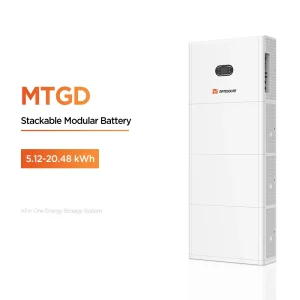
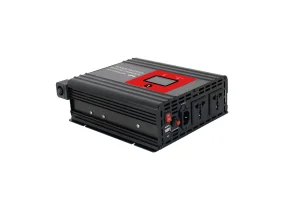
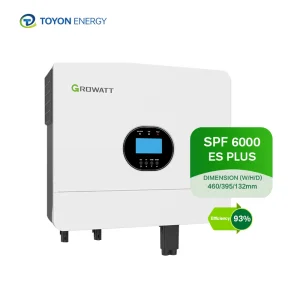
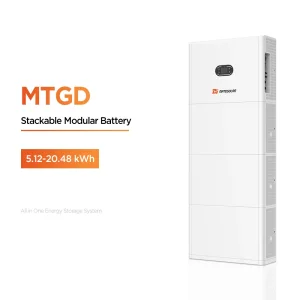
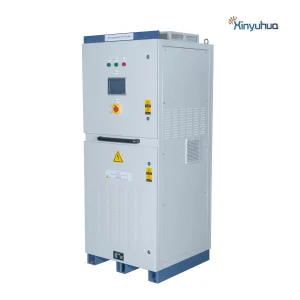
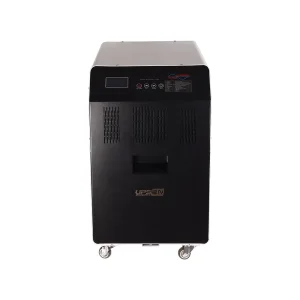
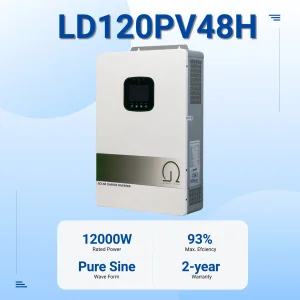
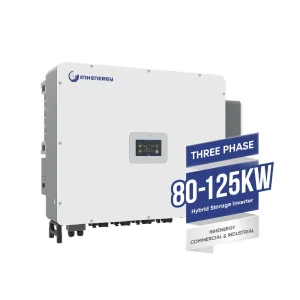
In large project environments, system designers must align the output profile of bifacial arrays with grid-interactive components. This is why HanFong provides a complete ecosystem. In addition to high-yield solar modules, we build matching balance-of-system (BOS) electronics, including high-capacity three-phase hybrid solar inverters (80kW to 110kW), MPPT charge controllers, and LiFePO4 energy storage systems. This single-source integration approach ensures components work together seamlessly, avoiding compatibility issues between modules, inverters, and battery banks.
| Procurement Metric | Monofacial Standard Panels | HanFong CE Bifacial Panels | Strategic C&I Advantage |
|---|---|---|---|
| Rear-Side Yield Gain | 0% (Standard backsheet) | +10% to +30% (Double-Glass) | Significantly lower system LCOE |
| Module Lifespan Rating | 25 Years | 30 Years (Linear warranty) | Extended asset depreciation cycle |
| Annual Degradation Rate | < 0.55% (P-type PERC) | < 0.40% (N-type TOPCon) | Higher long-term energy consistency |
| Climatic Resilience | Medium (Prone to moisture ingress) | High (Zero PID, Double-Glass) | Ideal for high-humidity, marine, desert areas |
Developing clean energy systems requires combining hardware with robust grid integration strategies. Guangzhou HanFong specializes in designing full-scope systems that handle complex real-world variables, such as shifting utility grid rules, varying load demands, and rugged terrain.
In utility-scale deployments, pairing bifacial solar panels with single-axis trackers delivers significant performance gains. As the tracker rotates to follow the sun across the sky, it continuously adjusts the rear-side angle to capture optimal ground albedo. Additionally, our industrial three-phase hybrid inverters feature multi-channel Maximum Power Point Tracking (MPPT) inputs. This allows them to manage voltage fluctuations from temporary clouds or uneven terrain reflections, preventing mismatch losses and ensuring a steady flow of AC power.
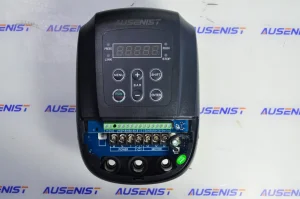
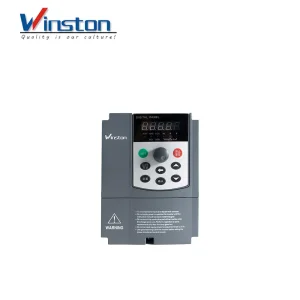
For remote C&I projects, off-grid microgrids are crucial. Our integrated systems combine solar power, high-voltage battery storage, and smart VFD frequency converters. This combination enables clean, stable motor startups for high-inrush loads, such as irrigation water pumps and warehouse ventilation, without relying on expensive, carbon-heavy diesel generators.
As a forward-looking manufacturer, Guangzhou HanFong continues to adapt to solar technology advancements. Our ongoing R&D roadmap focuses on three main engineering trends:
Our engineers are working to combine wide-bandgap perovskite top layers with standard crystalline silicon bottom layers. This design aims to push laboratory cell efficiency past the 30% barrier, significantly boosting output footprint density.
Transitioning system voltage standards from 1000V up to 1500V DC reduces cabling requirements, lowers inline transmission losses, and simplifies inverter stations, cutting overall balance-of-system (BOS) costs.
Integrating advanced machine learning algorithms directly into inverter firmware allows systems to predict shading patterns, optimize tracking alignment, and safely isolate arc faults in milliseconds.
Operating in markets across North America, Europe, the Middle East, and Asia requires strict adherence to regional safety codes and electrical standards. HanFong's manufacturing processes are certified to meet international quality management systems, and our solar and inverter lineups carry official CE and RoHS markings.
Every product leaving our factory undergoes rigorous testing. For our solar panels, we perform dual Electroluminescence (EL) tests to detect microscopic cell cracks invisible to the human eye. Similarly, our inverter and battery storage units run through automated thermal cycling, high-voltage isolation tests, and full-load burn-in cycles. This comprehensive quality control process ensures reliable, plug-and-play operation for systems deployed anywhere in the world.
Get expert answers regarding bifacial solar panel mechanics, inverter systems, and commercial energy storage integration.
Bifacial solar panels can generate between 10% and 30% additional energy depending on the surrounding environment. Factors like mounting height, ground albedo (reflectivity), and the spacing between rows play a key role. For example, installing panels over highly reflective surfaces like light gravel, concrete, or snow yields the highest gains.
The double-glass design replaces the traditional plastic backsheet with a second layer of tempered glass. This creates an airtight seal that prevents moisture ingress, eliminates Potential-Induced Degradation (PID), and offers superior mechanical strength against high winds, snow loads, and corrosive salt air.
Yes. All of our off-grid inverters, hybrid power systems, and solar controllers are designed to comply with European safety, health, and environmental protection standards, carrying official CE and RoHS certifications.
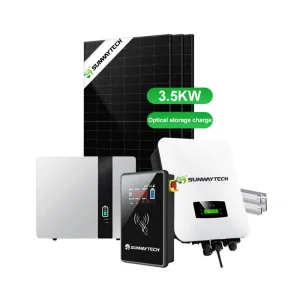
Yes, our systems are built for comprehensive integration. Solutions like our 3.5kW Home Hybrid Solar System feature dedicated connection ports and management software designed to run EV charging stations directly from solar generation or stored battery power.
With a 5,000 square meter factory and a dedicated R&D team, we offer extensive customization. This includes custom branding, custom system voltage configurations, tailored enclosures for specific IP ratings, and specialized system configurations to meet unique regional requirements.
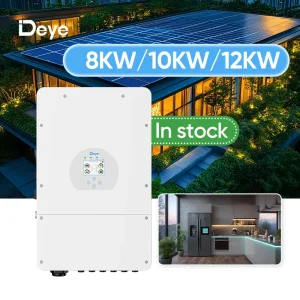
Browse our range of high-efficiency commercial and residential hybrid systems, built for durability and global grid compatibility.
 Sriram Electricals