Engineered for high conversion efficiency, thermal reliability, and global grid compatibility.
As global industrial infrastructures accelerate their transition toward decarbonized operations, the integration of Energy Harvesting Systems (EHS) has emerged as a cornerstone of modern grid security and industrial automation. An energy harvesting system captures micro-amounts of ambient energy—ranging from solar radiation and thermal differentials to kinetic motion and radio frequencies—and converts it into highly stable, usable electrical power.
In the context of utility-scale operations and off-grid microgrids, the challenge is not merely localized harvesting, but the orchestration of power conversion. Utilizing dynamic, pure sine wave power inverters and intelligent solar charge controllers ensures that varying voltages generated by renewable and kinetic sources are normalized into clean alternating current (AC) or stable direct current (DC). This prevents thermal degradation in high-value manufacturing apparatuses and ensures consistent data packet transmission in remote Industrial Internet of Things (IIoT) sensors.
Standardizing variable ambient inputs (micro-solar, vibration, kinetic force) into stable sine waves to protect machinery and maximize power transmission.
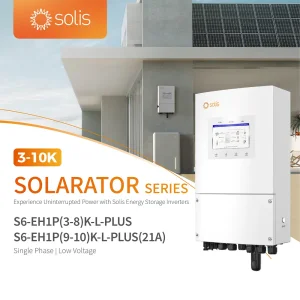
Buffering clean energy yields through hybrid systems that transition seamlessly between grid-tied exports and off-grid emergency storage.
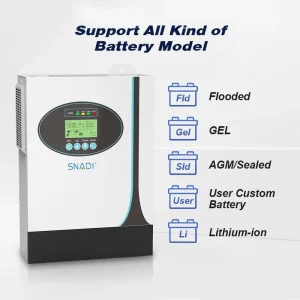
Leveraging Maximum Power Point Tracking logic to monitor environmental flux and adjust impedance continuously for optimal yield extraction.
Established in 2013 in Guangzhou, China, Guangzhou HanFong New Energy Technology Co., Ltd. stands as an audited leader in high-performance inverter systems, hybrid solar converters, and solar charge controller architectures. Operating a state-of-the-art 5,000 square meter factory staffed by over 150 proficient electrical engineers and technicians, the facility represents the pinnacle of premium B2B manufacturing capabilities.
HanFong's strategic industrial positioning in South China facilitates complete control over raw silicon wafer sourcing, high-temperature magnetic core assembly, and automated surface-mount technology (SMT) workflows. This ensures low defect margins (under 0.03% post-testing) and supports rapid scaling for custom OEM/ODM designs.

Developing adaptable hardware configurations that align with shifting global energy mandates.
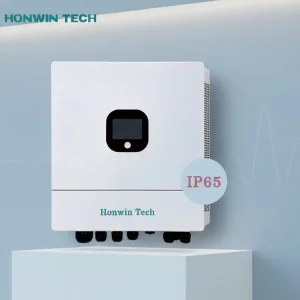
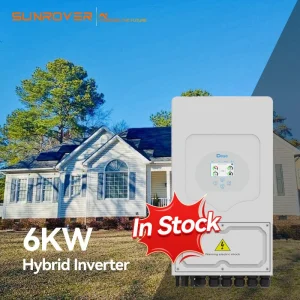
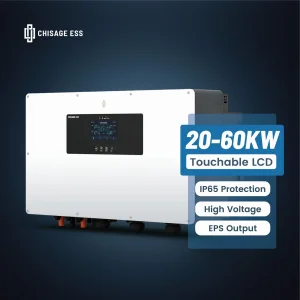
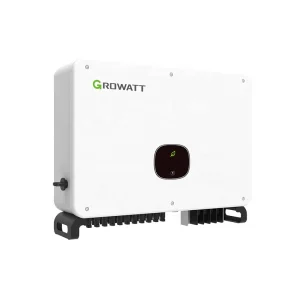
In highly industrialized areas, power grids enforce steep tariff premiums during peak hours. Our high-voltage 50kW - 125kW multi-phase hybrid grid-tie inverters are paired with lithium iron phosphate (LiFePO4) storage arrays. This allows factories to store excess daytime solar energy and discharge it strategically during peak hours, significantly reducing operational expenses.
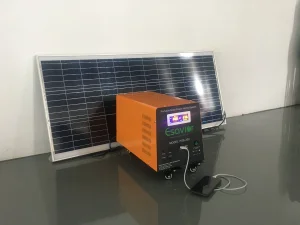
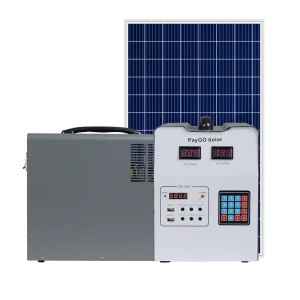
Telecom towers, weather stations, and seismic monitors frequently operate far from utility connections. By pairing micro-wind turbines and solar photovoltaic panels with HanFong's off-grid smart hybrid controllers, B2B buyers can deploy autonomous, low-maintenance power installations designed to withstand extreme cold, high humidity, and remote marine environments.
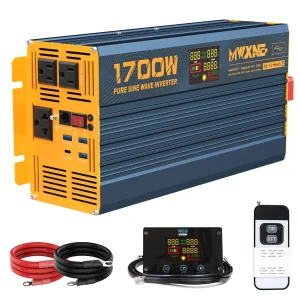
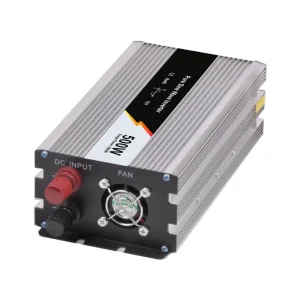
From modern cold-chain logistics vehicles to search-and-rescue utility trucks, maintaining stable 110V/220V power from 12V/24V/48V vehicle alternators is critical. Our pure sine wave car converters offer remote wireless controls and intelligent surge management, ensuring that sensitive diagnostic and cooling equipment operates continuously without frequency fluctuations.
Procurement managers and design engineers from North America, Europe, Africa, South America, and the Middle East face complex challenges, including navigating grid connection rules and meeting safety and environmental certifications. HanFong New Energy supports its global clients with clear, structured engineering processes:
Defining electrical parameters: DC input limits, pure sine wave stability requirements, ambient thermal ranges, and IP65 protection specs.
Developing schematic designs, sourcing custom high-frequency copper-wound coils, and programming proprietary MPPT firmware algorithms.
Subjecting prototypes to structural stress, electrostatic discharge (ESD) tests, electromagnetic compliance checks, CE, and RoHS validations.
Leveraging Guangzhou's shipping channels to coordinate efficient ocean cargo, air express, or direct overseas warehouse inventory staging.
To help engineers specify the correct inversion topologies, the following table details how the power waveform affects load performance, thermal generation, and operational lifespan:
| Technical Parameter | Pure Sine Wave Inverters (HanFong Standard) | Modified Sine Wave Inverters |
|---|---|---|
| Total Harmonic Distortion (THD) | < 3% (Standard comparable to grid-supplied utilities) | 30% - 40% (Highly erratic transition steps) |
| Inductive Load Compatibility | 100% (Supports electric motors, medical monitors, pumps, compressors) | Extremely poor (Causes overheating, noise, component degradation) |
| Conversion Efficiency | > 92% (Minimizes waste heat energy during high-load periods) | 75% - 80% (Generates significant heat, reducing components' life) |
| Electromagnetic Interference | Minimal (Zero interference with RF systems or precision audio) | High (Causes static hums and micro-processor errors) |
Expert insights into B2B system configurations, manufacturing logistics, and technical parameters.
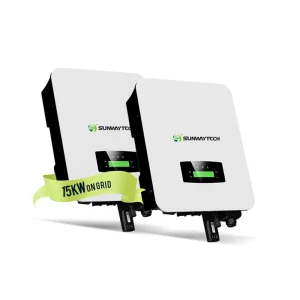
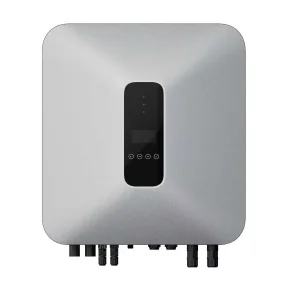
Discover our range of grid-tie, hybrid, and high-capacity industrial power systems.
 Sriram Electricals