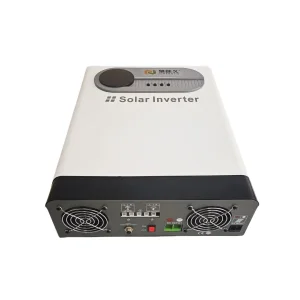
What is an inverter?
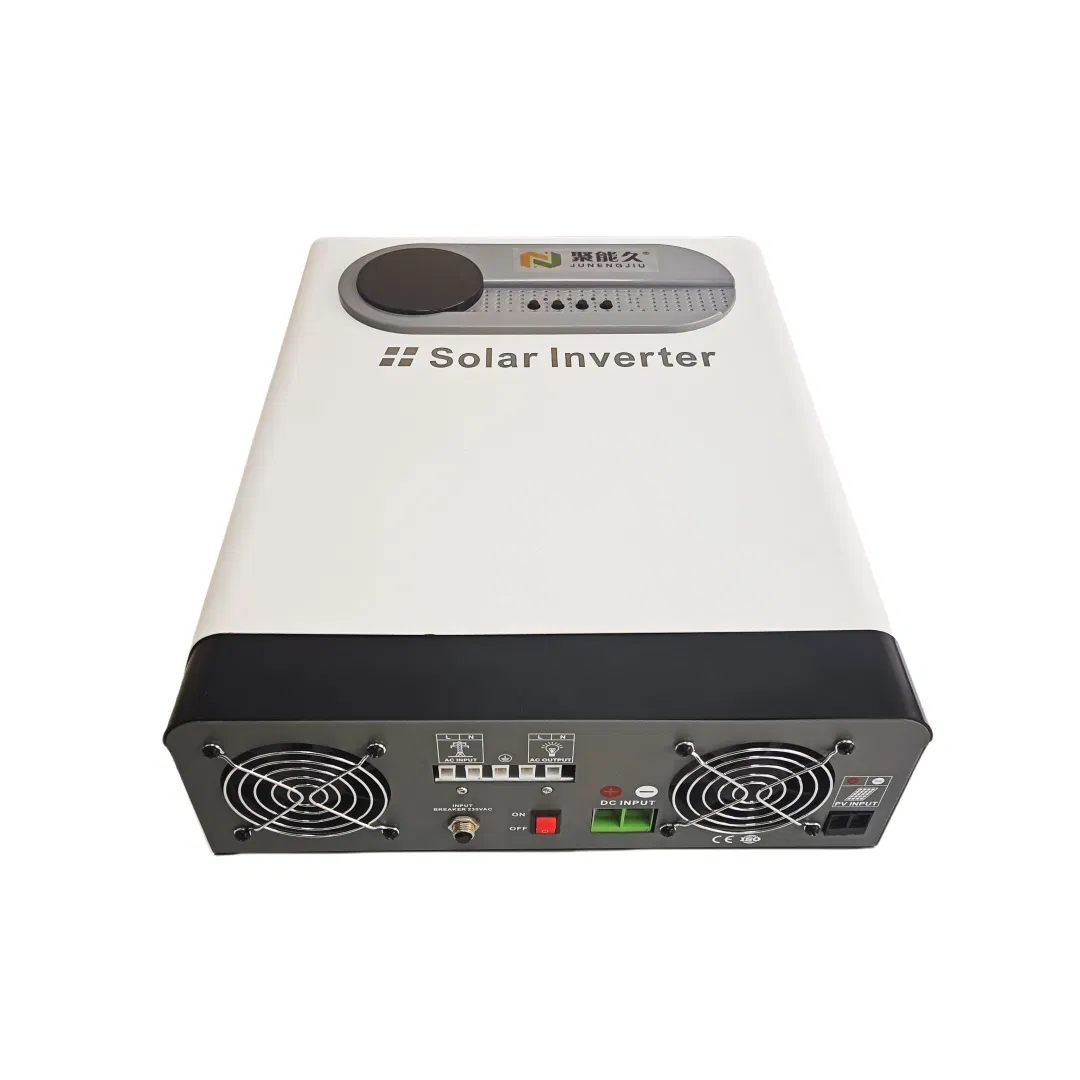
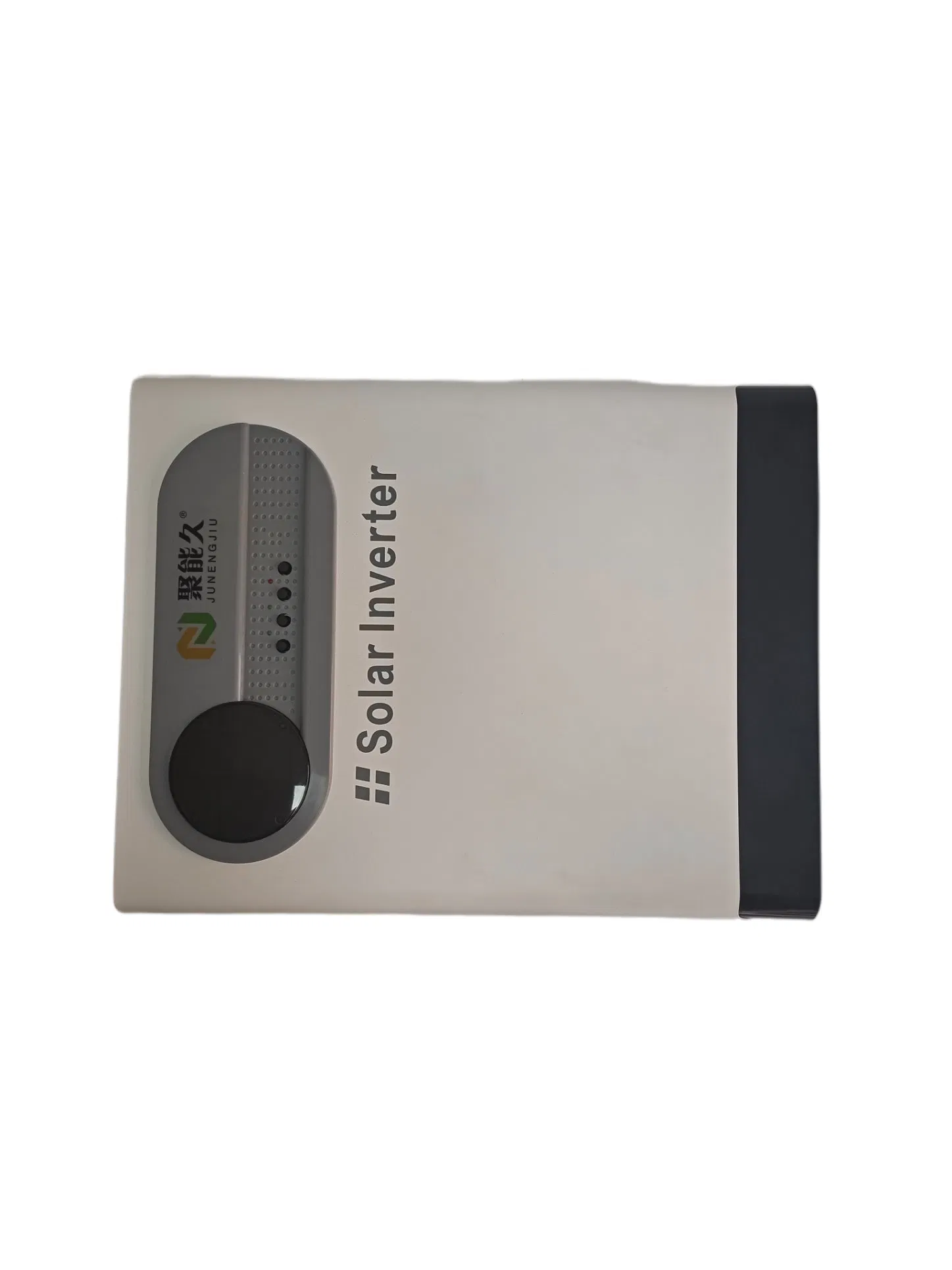
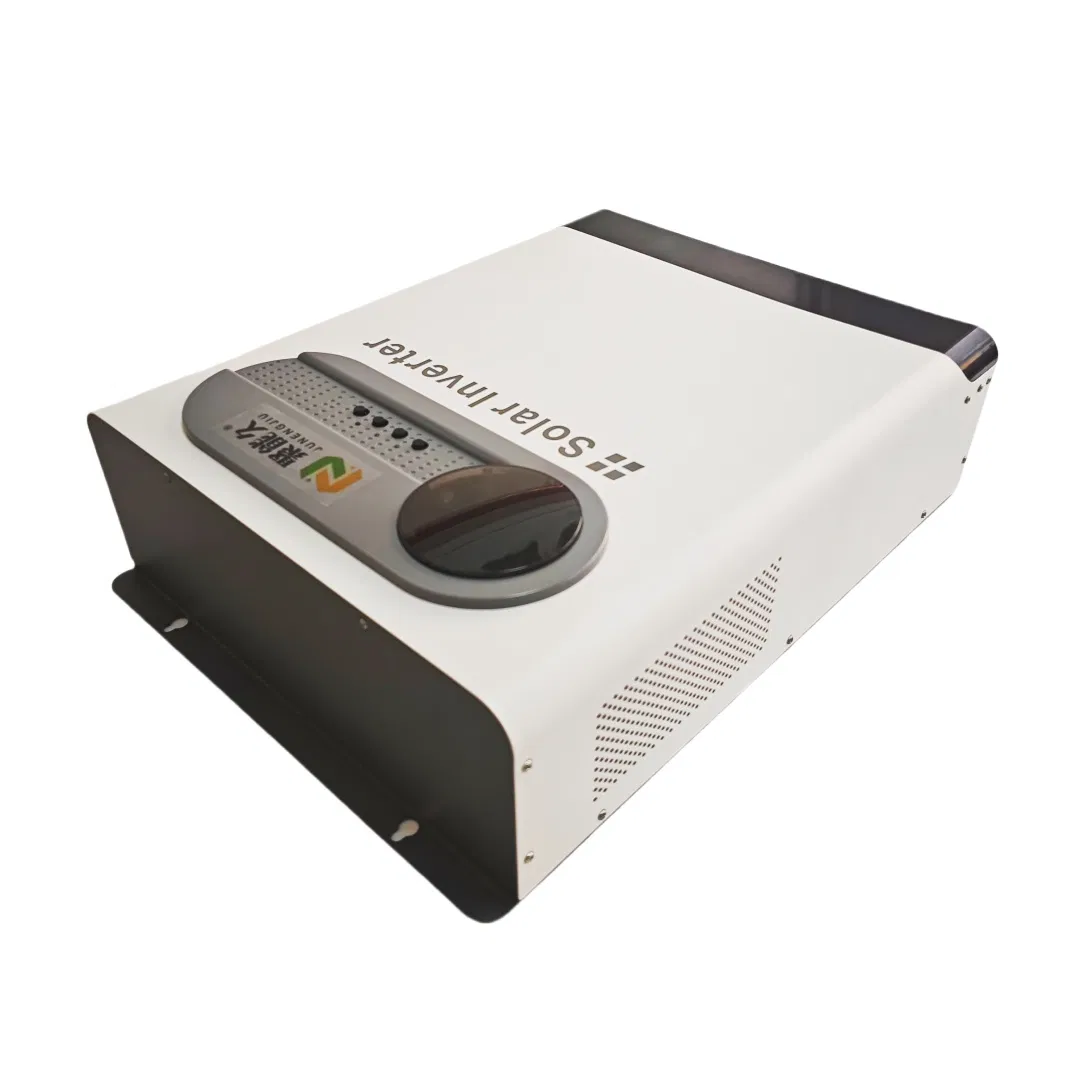
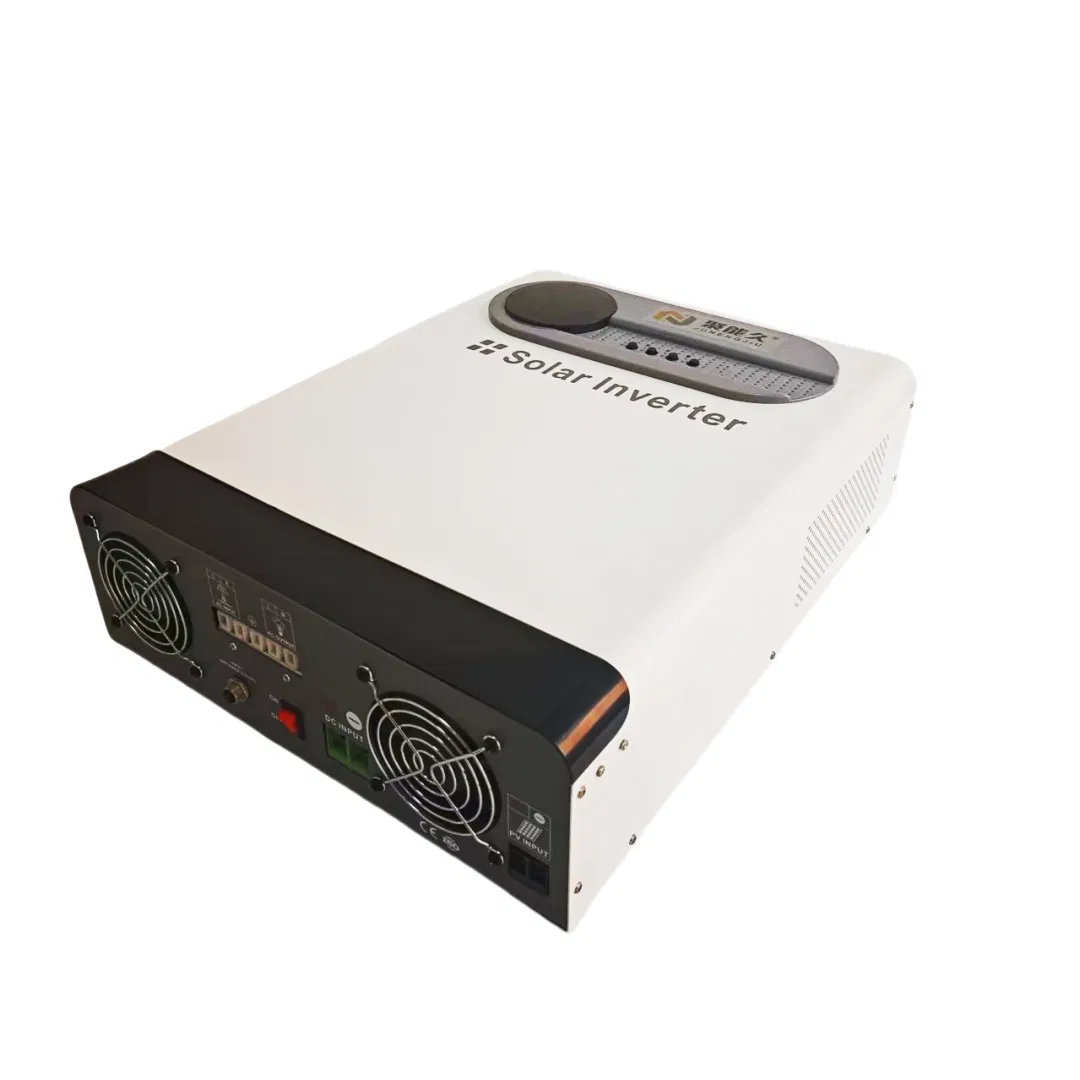
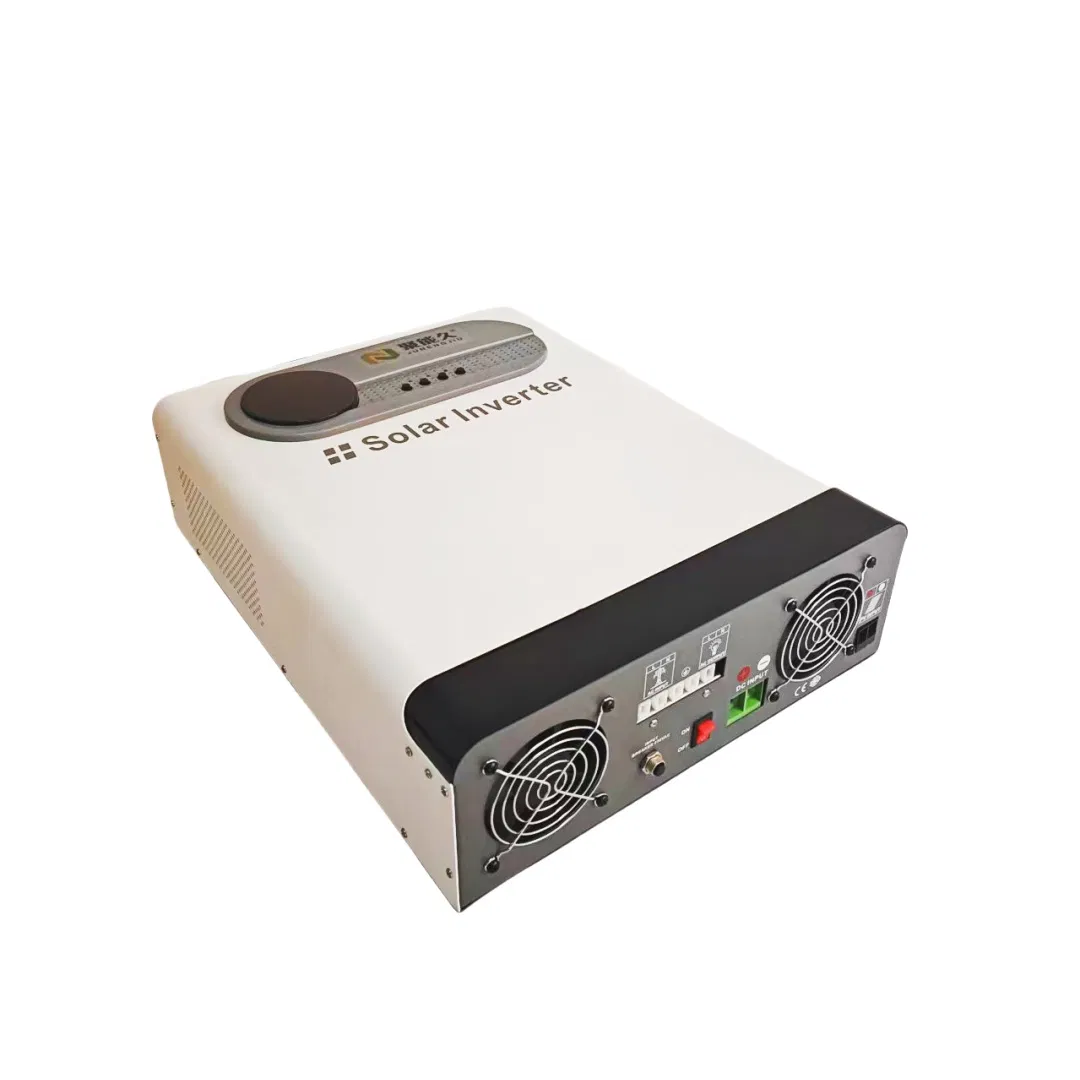
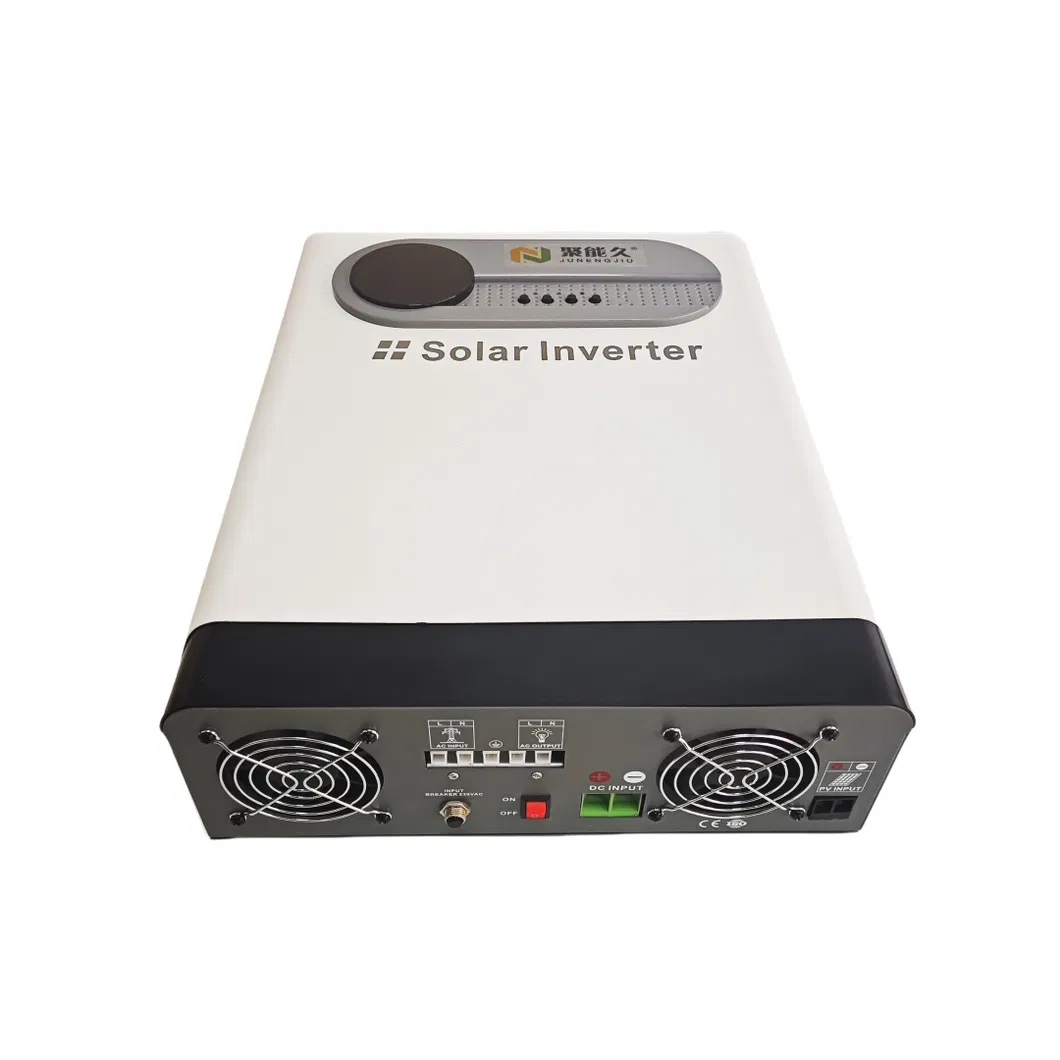
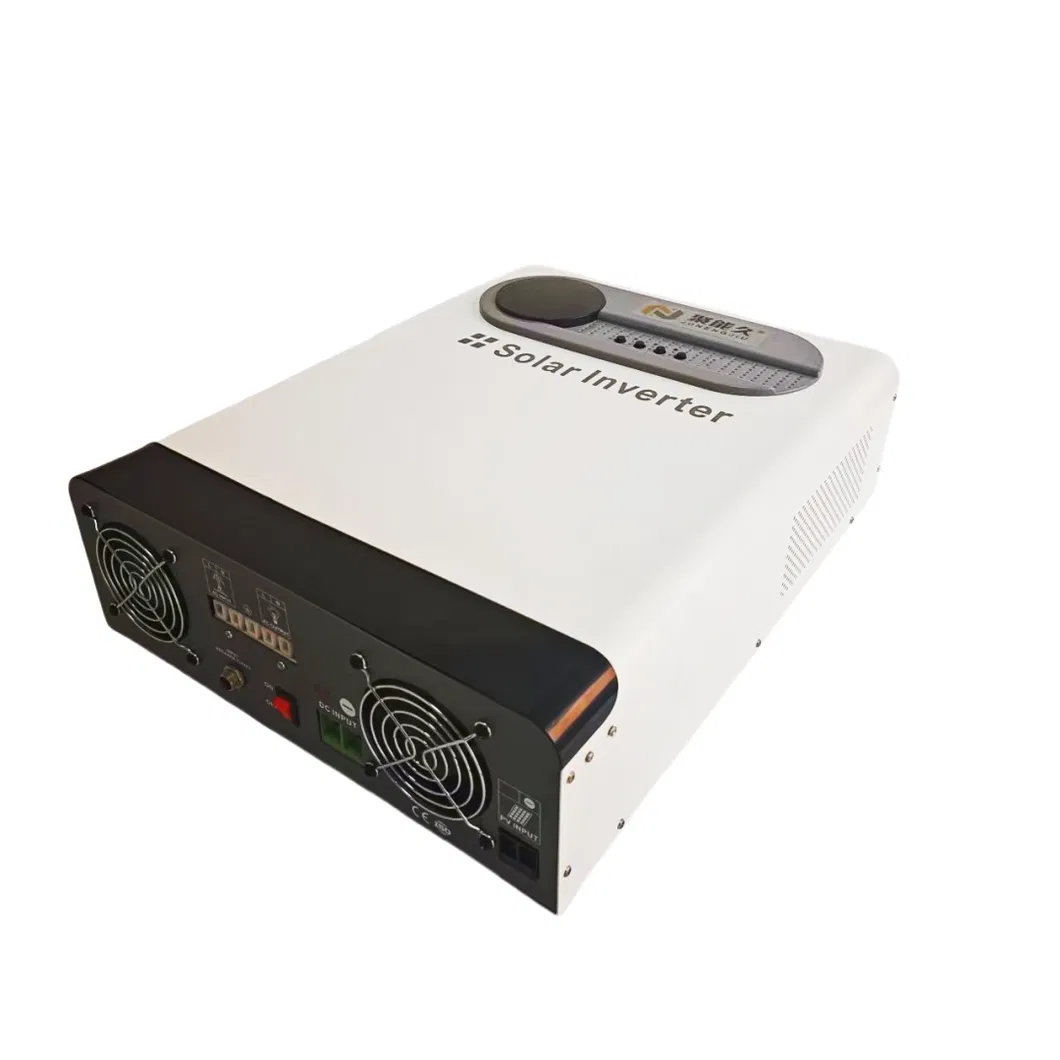
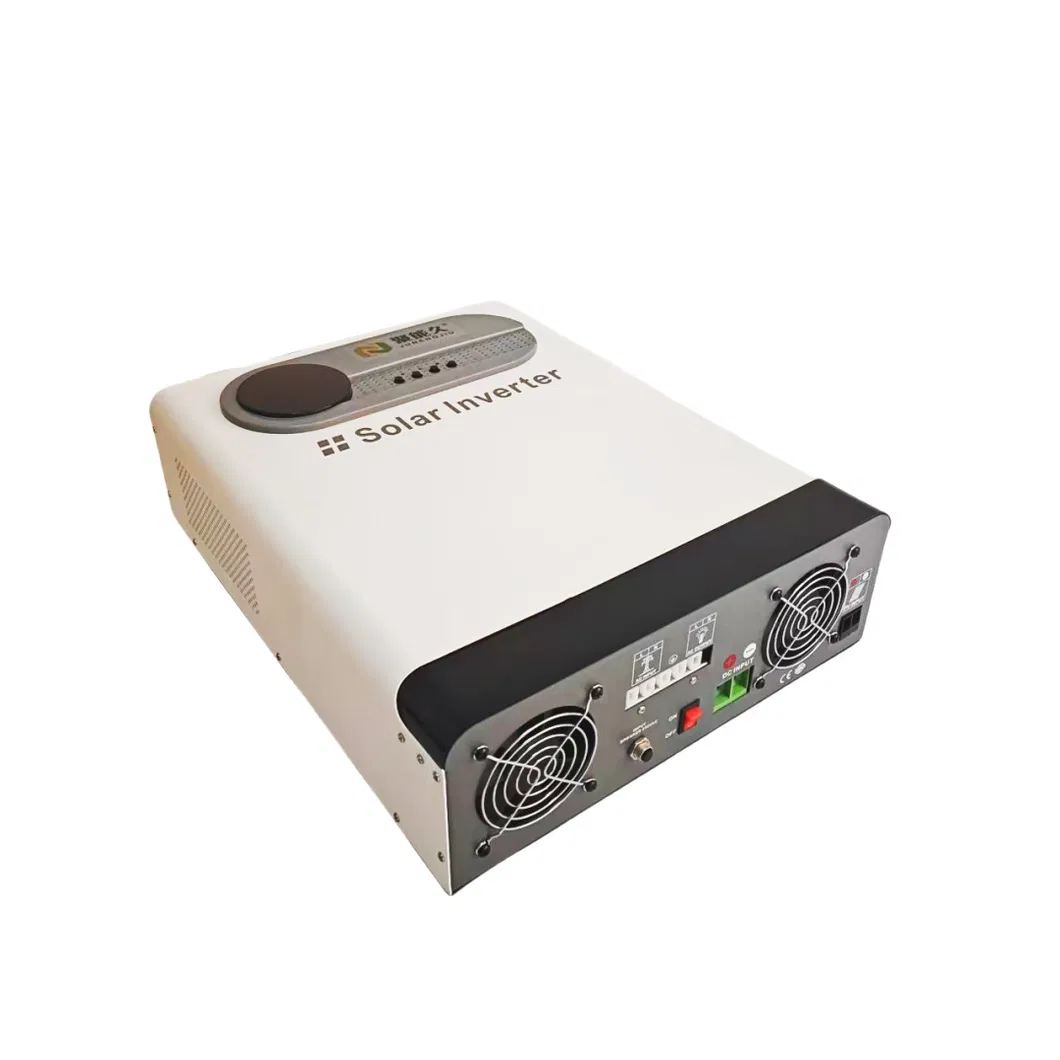
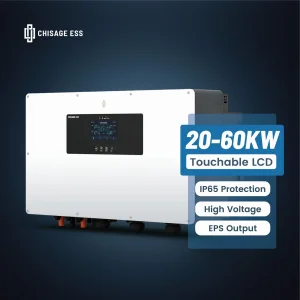
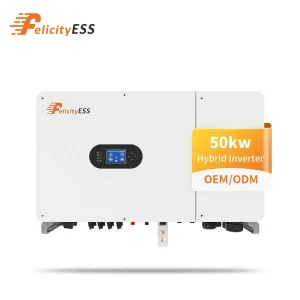
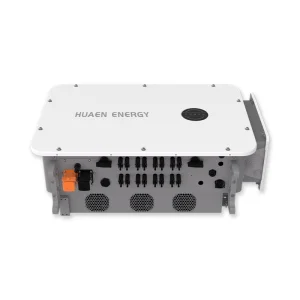
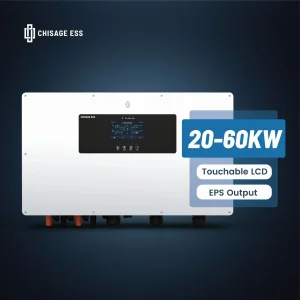
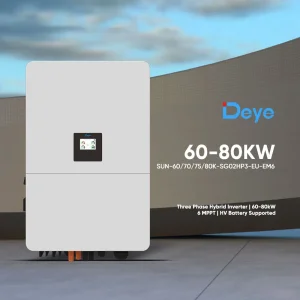
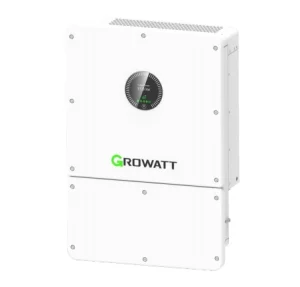
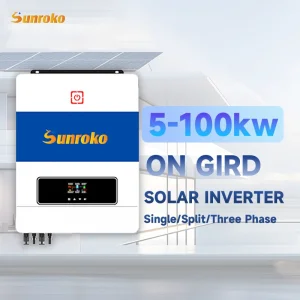
An inverter is an electronic device that converts direct current (DC) into alternating current (AC). It is widely applied in scenarios such as solar power generation systems, electric vehicles, and UPS (Uninterruptible Power Supply).
What is the main function of an inverter?
The main function of an inverter is to convert direct current (such as the electrical energy generated by batteries or solar panels) into alternating current for the use of household appliances, industrial equipment, and so on.
What types of inverters are there?
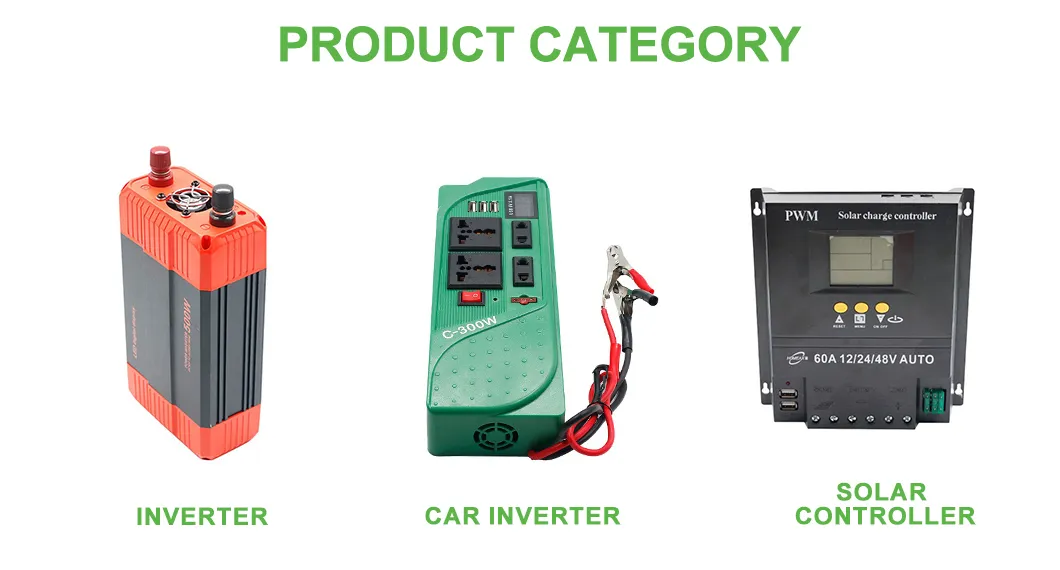
Classified by waveform: Pure sine wave inverter (high-quality AC for all appliances), Modified sine wave inverter (suitable for most appliances), and Square wave inverter (for simple appliances like bulbs).
Classified by purpose: Photovoltaic inverters (solar), Vehicle-mounted inverters (cars/RVs), and Household inverters (backup power).
How to choose a suitable inverter?
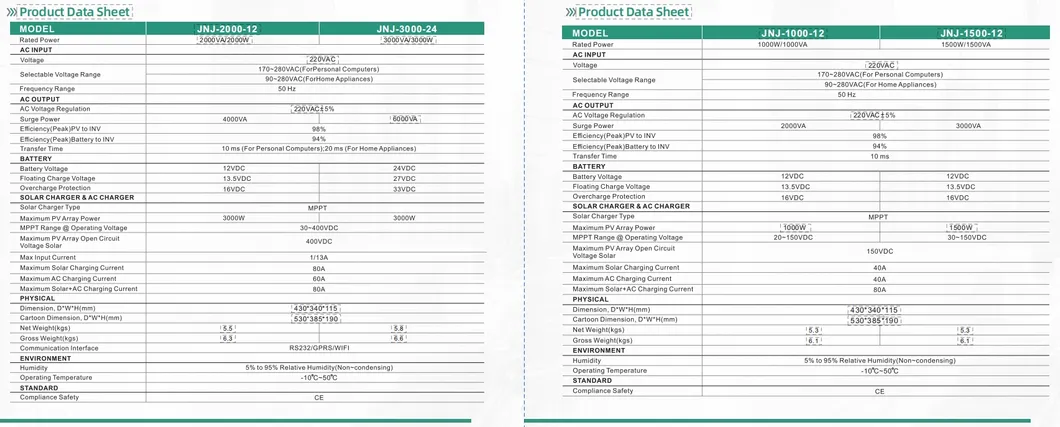
Consider the Power requirement (total device wattage), Input voltage (must match your battery/solar source), Output waveform (sine wave vs modified based on appliance sensitivity), and Efficiency to reduce energy loss.
What devices can an inverter be used for?
An inverter can be used for various household appliances (such as TVs, refrigerators, and computers), industrial equipment, and power tools, depending on the specific power and output waveform of the unit.
What is the role of an inverter in a solar energy system?
In a solar energy system, the inverter converts the direct current (DC) generated by the solar panels into alternating current (AC) for household use or to be fed back into the electrical grid.
 Sriram Electricals