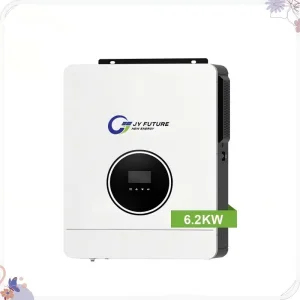
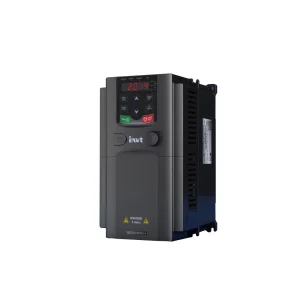
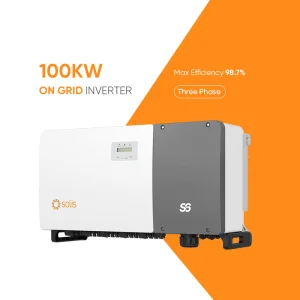
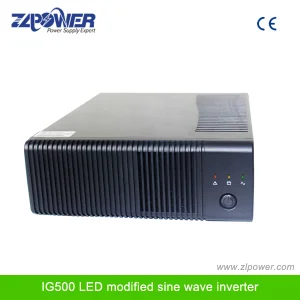
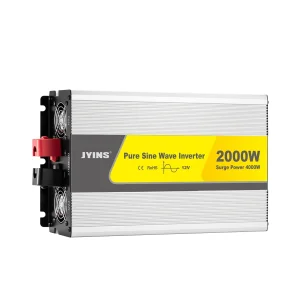
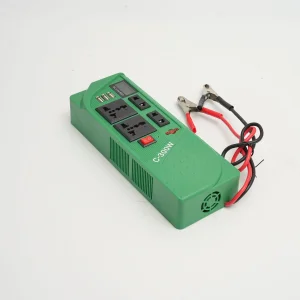
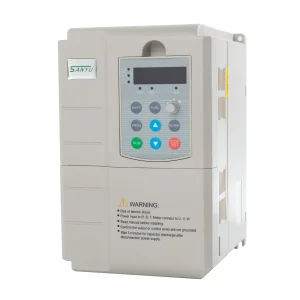
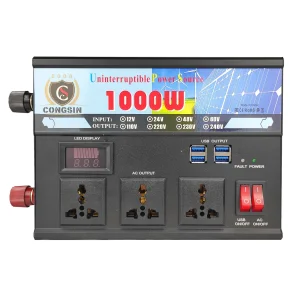
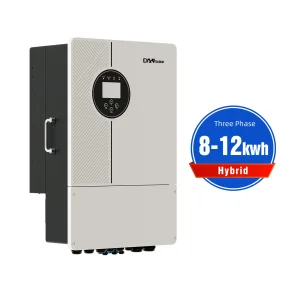
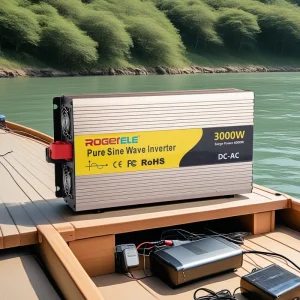
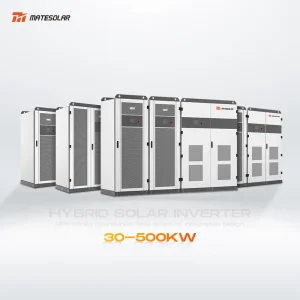
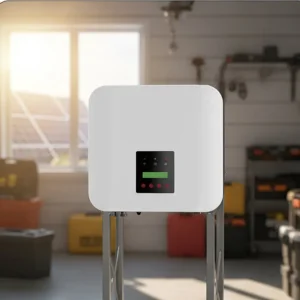
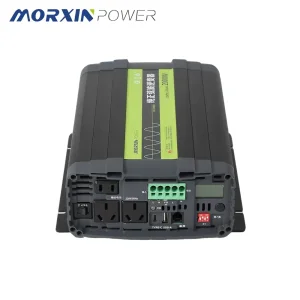
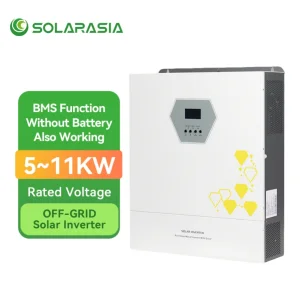
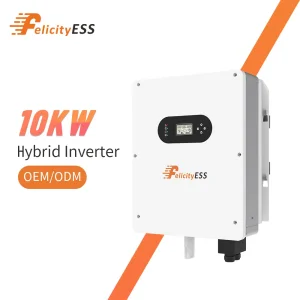
Explore our industrial and commercial-grade emergency power infrastructure designed to maintain continuous operability under critical conditions.
A trusted pioneer in power electronics, manufacturing, and global renewable energy distribution.
Guangzhou HanFong new energy technology Co., Ltd. is an audited manufacturer of all kinds of inverter and solar charge controller products. Our factory has been an electrical leader in products since 2013. Specialized in DC to AC power inverters, located in Guangzhou City of China, it is convenient to transport by air or by sea. With good research and development, and strict quality control, the product in the market has been widely recognized and praised. With our inverters, they are used together in off-grid solar systems.
We always focus on the efficiency and quality of our products. With a 5,000 square meter factory and 150 proficient employees, we are able to undertake demanding OEM and ODM projects. We strictly comply with European standards, and so far our products have earned CE and RoHS certifications. Our market and customers span the entire world.
We strive to carry the most complete line of DC inverters. Our strong marketing and R&D teams work hard to make inverters meet our customer needs. We mainly manufacture those items to the market: North America, Europe, Africa, South America, Middle East, Asia, and have full experience in OEM service. We have full confidence in achieving your quality level.

An in-depth analysis of global energy grid dynamics, supply security vulnerabilities, and the growing demand for robust backup systems.
In an era defined by rapid digitization, extreme weather events, and aging utility grids, industrial and commercial operations face unprecedented threats from sudden power interruptions. A drop in power quality or an unplanned outage can disrupt production lines, compromise medical life-support systems, or corrupt database storage architectures.
Because of these factors, Emergency Power Supply (EPS) systems have evolved from simple backup utilities into mission-critical assets. Global businesses are moving away from traditional diesel generators—which are prone to delayed startup times and high carbon footprints—toward clean, instantaneous battery-backed pure sine wave inverters and hybrid solar microgrids.
Modern emergency power systems are increasingly integrated with renewable energy sources. Solar hybrid systems equipped with Maximum Power Point Tracking (MPPT) solar charge controllers enable businesses to utilize green energy during grid availability and store excess power.
When the grid fails, these systems isolate automatically to form local off-grid microgrids. This clean energy transition reduces operating costs while providing high-quality power that prevents harmonic distortion in delicate electronics. HanFong's off-grid transformer-based low-frequency solar inverters represent the peak of this design philosophy, offering robust electrical isolation and reliability.
Discover how localized supply chains, state-of-the-art automation, and structural cost efficiencies yield unmatched ROI for global importers.
Guangzhou is the global epicentre of advanced power electronics manufacturing. Because our facilities are positioned near major sea shipping routes and logistics hubs, we can guarantee rapid component sourcing and export processes that reduce time-to-market.
1. Complete Vertical Integration: By sourcing raw components (high-grade silicon steel cores, copper windings, premium MOSFETs, and micro-controllers) directly from regional partners, we eliminate middle-tier markups and ensure component traceability.
2. Automated Assembly and Testing: Using computer-controlled wave soldering and automated testing equipment ensures every board meets strict quality tolerances. This automation reduces production errors and results in reliable field performance.
3. Advanced Thermal Management Engineering: Built to withstand harsh environments (such as in sub-Saharan Africa or South American mines), our hardware undergoes strict thermal testing to ensure consistent power output even in hot, unventilated server rooms.
How HanFong emergency power systems satisfy the demands of critical sectors globally.
Our pure sine wave inverters are designed to run clinical monitors, ventilators, and cellular transceivers. By generating clean AC power with less than 3% total harmonic distortion (THD), they prevent logic errors and diagnostic noise in high-precision hospital instruments and telecom sites.
Inductive motor loads demand high startup currents. HanFong frequency converters and low-frequency inverters manage high current draws during startup, allowing commercial hotel laundry washing machines and deep-well pumps to cycle smoothly without triggering overcurrent protections.
For rural farms in South America and Africa, connecting to the grid is often cost-prohibitive. Combining low-frequency solar inverters with built-in PWM or MPPT controllers allows farming cooperatives to power water pumps, sorting machines, and local housing networks.
Explore the innovations driving efficiency, longevity, and interconnectivity in modern backup power systems.
Today's procurement directors expect remote monitoring capabilities. HanFong's integrated WiFi and GPRS modems transmit real-time telemetry data (battery status, load levels, voltage profiles) directly to cloud dashboards. This allows system managers to resolve issues before they trigger a system shutdown.
Unstable grids often swing between extreme high and low voltages. Our smart AVR (Automatic Voltage Regulation) stabilizes output voltages without draining the battery, preserving backup power for complete grid blackouts.
Next-generation inverters coordinate energy input from multiple sources. They prioritize solar power, pull from the grid as a secondary option, and activate battery reserves only when necessary. This smart management lowers utility costs and extends battery life.
A structured framework to help international procurement officers match local grid standards and operational requirements.
Before finalizing your purchase, confirm if your equipment uses inductive, capacitive, or resistive loads. Inductive loads (such as electric motors, air compressors, and refrigeration units) require up to three times their rated running current to start up. Low-frequency transformer-based inverters are best suited for handling these heavy starting surges.
For resistive loads (like LED lighting, office computers, or heaters), high-frequency inverters offer a lighter weight, compact footprint, and higher efficiency at a lower price point.
Make sure your supplier holds certificates valid in your destination market. For the EU and associated territories, look for CE and RoHS marks, which confirm conformity with European safety and hazardous materials directives.
Sourcing certified equipment helps prevent import delays and protects your business from liability issues related to electrical safety. HanFong's entire export catalog is fully certified and tested before shipping.
Get answers to common technical, electrical, and commercial inquiries from our engineering team.
Complete your procurement requirements with our line of specialized, heavy-duty hybrid string inverters and backup power solutions.
 Sriram Electricals