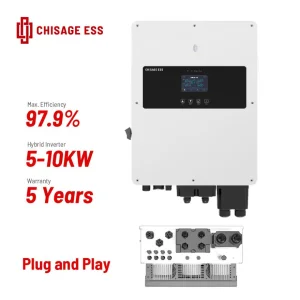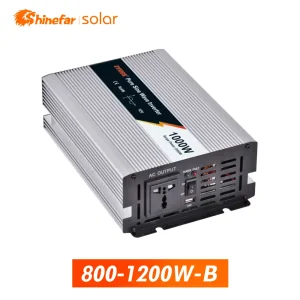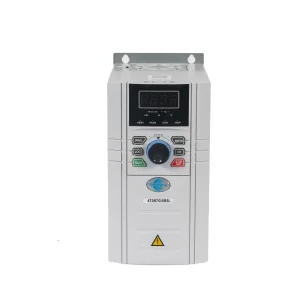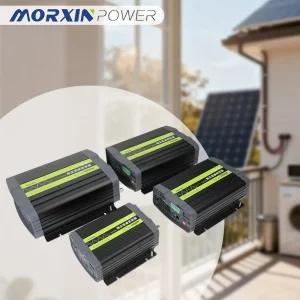
As the world transitions toward carbon neutrality, the role of a PV system designer and manufacturer has shifted from supplying standalone inverters to developing complex, high-resilience power electronics architectures that ensure grid compatibility, high efficiency, and continuous power reliability.
Designing high-performance photovoltaic systems demands an integrated approach to power electronics. In the past, standalone components like solar charge controllers, off-grid inverters, and battery chargers operated in isolation, leading to conversion losses and complex wiring.
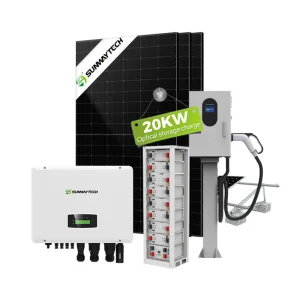
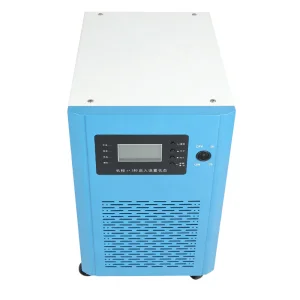
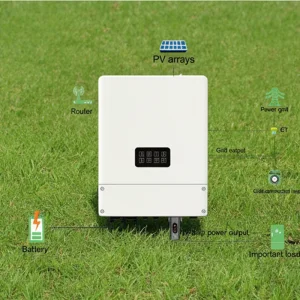
Modern topologies, pioneered by leading Chinese manufacturers, rely on the All-in-One (AIO) architecture. AIO systems merge Maximum Power Point Tracking (MPPT) chargers, pure sine wave DC-to-AC inverters, lithium battery energy storage systems (BESS), and electric vehicle (EV) charging stations into a unified, microgrid-capable platform. High-frequency conversion topologies utilizing Silicon Carbide (SiC) or Gallium Nitride (GaN) semiconductors are increasingly replacing traditional silicon transistors. This reduces dynamic switching losses and cuts physical component size, achieving system efficiencies exceeding 98.2%.
Key Design Integration: A typical off-grid or hybrid configuration now embeds advanced firmware featuring "zero-transfer-time" bypass mechanisms. This guarantees that when the grid drops, critical loads transition to backup battery power in under 10 milliseconds, preventing data loss in commercial applications.
Global environmental diversity demands targeted, localized PV design configurations. Our engineers tailor system topologies to match local solar irradiance, climate extremes, and grid compliance standards:
China leads the solar energy sector because of its comprehensive, vertically integrated supply chain clusters. Located in the industrial heart of Guangzhou, HanFong New Energy leverages this geographic advantage to offer unmatched speed, quality control, and cost efficiency.
From raw materials like high-grade copper coils and precise aluminum chassis to microprocessors and semiconductor chips, the entire bill of materials (BOM) is sourced from verified suppliers located within a two-hour logistics radius. This close ecosystem keeps production lead times brief, accelerates prototyping, and stabilizes prices during global market fluctuations.
Commercial and industrial businesses are investing heavily in PV installations to satisfy ESG (Environmental, Social, and Governance) targets and hedge against rising energy costs. This transition is shifting the design focus toward system safety and longevity.
Incorporating smart software like Cloud IoT platforms and remote WiFi monitoring allows facility managers to track performance down to the string level. Automated diagnostics identify anomalies, degradation, and shading issues before they impact energy yield. This predictive maintenance lowers long-term operational costs and shortens the system's payback period.
Guangzhou HanFong new energy technology Co., Ltd. is audit manufacturer of all kinds of inverter and soalr charge controller products. Our factory has been an electrical leader in products since 2013. Specialized in DC to AC power inverters , located in Guangzho City of China ,it is convinient to transport by air or by sea. With good reserch and development ,strictly quality control ,the product in the market has been widely recognized and praised. With our inverters, it is used together in off grid solar system. We always focus on efficiency and quality of our products.
With 5000 square meters of factory and 150 proficient employees, we are able to undertake many requiring OEM and ODM projects. We strictly comply to European standard, so far our products have earned CE and RoHS certifications. Our market and customers are all over the world. We strive to carry the most complete line of dc inverter. There is strong marketing and R&D team work hard to make inverter meet our customer needs.
We mainly manufacture those items to the market: North America ,Europen , Africa, South America, Middle East, Asia, and have full experience in OEM service. We have full confidence in achieving your quality level.

The future of solar energy systems relies on smarter grid synchronization, predictive battery cycles, and high-power safety measures.
Adopting Gallium Nitride (GaN) and Silicon Carbide (SiC) switches to raise switching frequencies, reduce heat generation, and shrinking equipment footprints by up to 30%.
Next-gen systems mimic virtual synchronous machine dynamics, stabilizing grids in microgrids and remote areas without traditional base power plants.
Integrating machine learning algorithms to optimize battery charge cycles based on weather forecasts, building energy use patterns, and dynamic grid pricing.
To export to markets like Europe, North America, and Australia, power systems must meet strict electrical safety and performance standards. HanFong implements standard testing procedures to verify that every inverter and solar charge controller satisfies CE, RoHS, and local grid connection codes.
Technical solutions and practical guidelines for solar project designers, distributors, and system installers.
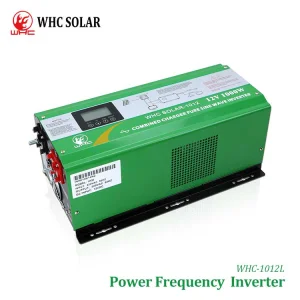
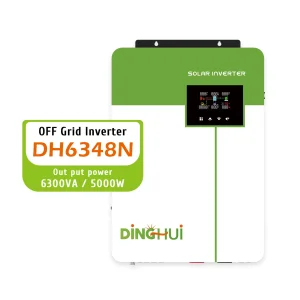
Low frequency inverters use heavy toroidal transformers to handle large surge currents, making them ideal for heavy inductive loads like motors, pumps, and air conditioners. High frequency inverters rely on electronic switching circuits, making them lighter, smaller, and more efficient under resistive loads, but less tolerant of large, sudden power surges.
All-in-One systems integrate the inverter, solar charge controller, battery management system (BMS), and sometimes an EV charger into a single pre-configured unit. This streamlines installation, minimizes compatibility issues, improves round-trip efficiency, and simplifies troubleshooting.
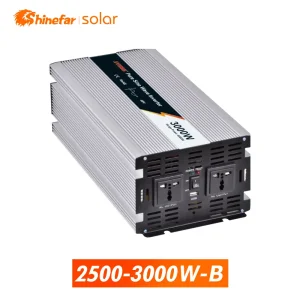
Pure sine wave inverters deliver electricity that matches utility-grade grid power. This prevents noise, overheating, and damage to sensitive electronics like medical devices, audio equipment, and motors. Modified sine wave units are more cost-effective but can cause interference or reduced efficiency in inductive loads.
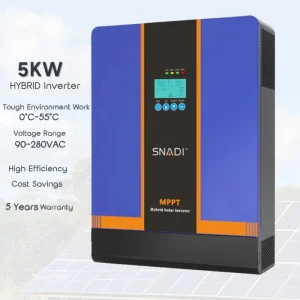
Modern hybrid and off-grid inverters use multi-stage charging algorithms (Bulk, Absorption, Float) customized for specific battery chemistry (such as Lithium Iron Phosphate or Lead-Acid). The inverter communicates with the Battery Management System (BMS) to regulate charging currents, monitor cell balance, and prevent over-discharging.
We provide full OEM and ODM services. This includes configuring the voltage range, adjusting the frequency output (50Hz/60Hz), custom firmware settings, tailoring casing graphics, and integrating communication cards (Modbus, CAN, WiFi, GPRS).
 Sriram Electricals