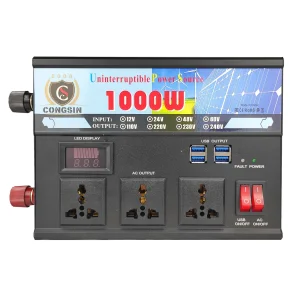
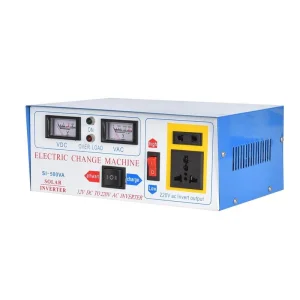
1Why should I choose a high-quality inverter over cheaper alternatives?
Low-cost inverters often use substandard components in unlicensed workshops, posing significant security risks to personal property. A reliable, high-quality inverter ensures safety and long-term stability.
2What are the differences between Modified and Pure Sine Wave inverters?
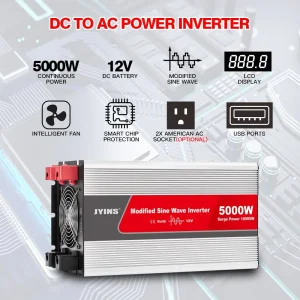
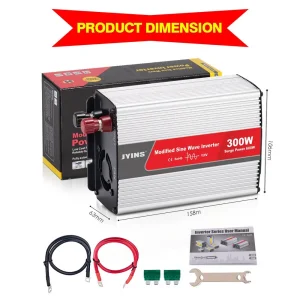
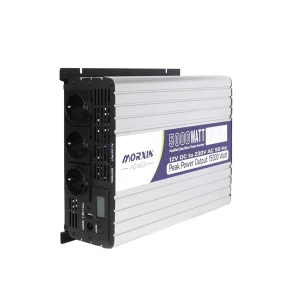
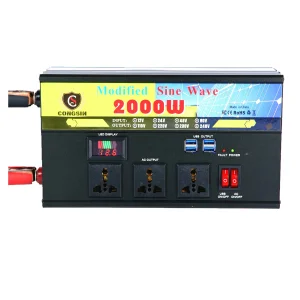
Modified Sine Wave: Cost-effective, suitable for most basic equipment. May have 20% harmonic distortion and interference with sophisticated devices.
Pure Sine Wave: High efficiency and stability. Suitable for all loads, including inductive devices like refrigerators and drills, matching grid power quality.
3Is the output voltage of the inverter stable?
Yes, our inverters are designed with advanced regulator circuits. Note that standard multimeters may show incorrect readings for non-pure sine waves; a true RMS multimeter is required for accurate testing.
4Which appliances are considered "resistive loads"?
Resistive loads include mobile phones, computers, LCD TVs, incandescent lights, electric fans, and rice cookers. Our modified sine wave inverters can power these efficiently.
5What are "inductive load" appliances?
These involve electromagnetic induction, such as motors, compressors, refrigerators, air conditioners, and pumps. These require a pure sine wave inverter because their startup power is 3-7 times higher than their rated power.
6What should be noticed during installation?
The inverter should be placed in a well-ventilated, cool, dry, and waterproof location. Ensure you turn on the inverter before powering on the connected appliances.
 Sriram Electricals