In today's world, the shift to renewable energy sources is undeniable. As homeowners seek to maximize energy efficiency, the question arises: "Why do I need a hybrid inverter for solar energy?" A hybrid inverter seamlessly integrates solar energy, battery storage, and the grid. This allows you to harness the full potential of your solar system.
Imagine producing your own energy while cutting down on electricity bills. A hybrid inverter enables this by providing flexible energy management. It allows you to use solar power during the day and store excess energy for later. In times of high demand, this technology can significantly enhance your energy independence.
Moreover, hybrid inverters are becoming increasingly important as we strive for sustainability. They not only help in reducing carbon footprints but also offer protection during power outages. However, purchasing a hybrid inverter does require consideration of your specific energy needs. Not everyone may need one, so reflection on personal usage is crucial.
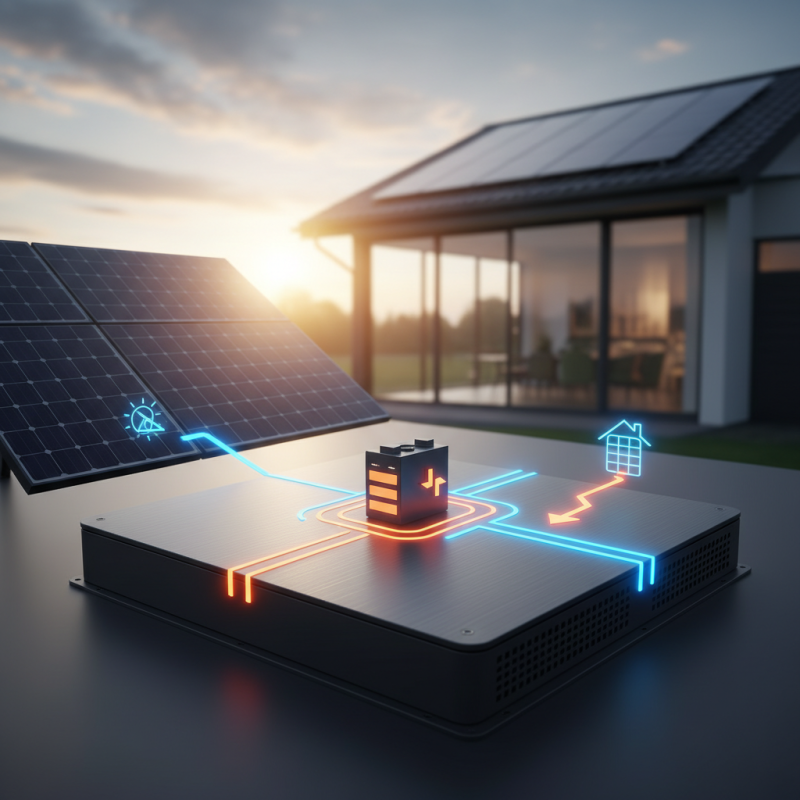
Benefits of Combining Solar Energy with a Hybrid Inverter
Combining solar energy with a hybrid inverter offers numerous benefits. One significant advantage is energy efficiency. Hybrid inverters manage energy from solar panels and batteries effectively. They reduce reliance on the grid, leading to lower electricity bills. With proper usage, you can enjoy substantial savings.
Investing in a hybrid inverter allows for seamless energy management. They store excess energy for use during cloudy days or at night. This feature ensures you have a reliable energy source around the clock. Furthermore, hybrid inverters often come with advanced monitoring systems. These systems provide real-time data on energy production and consumption.
Tips: Regularly check your energy consumption. Understanding your usage patterns helps you optimize battery storage. Maintenance is vital for longevity. Clean the inverter and solar panels to ensure peak efficiency. Enhance your knowledge about solar energy trends. This can help you make informed decisions for your energy setup.
How Hybrid Inverters Enhance Energy Storage and Usage
Hybrid inverters play a crucial role in optimizing solar energy usage. They efficiently manage the flow of power between solar panels, home energy needs, and energy storage systems. By converting solar energy into usable electricity, these inverters help you reduce reliance on the grid. This is especially valuable during peak energy times.
One of the main advantages is their ability to enhance energy storage. Hybrid inverters enable you to store excess solar energy in batteries for later use. This means you can power your home during outages or at night. It's a reliable way to ensure there’s always energy available when you need it most.
**Tip:** Consider the capacity of your battery storage. Choose an inverter that matches your energy demands.
Using a hybrid inverter can also give you greater control over your energy usage. You can monitor and adjust how much energy you draw from solar and stored sources. However, ensure you regularly check the system's performance. There may be times when adjustments are needed.
**Tip:** Monitor your energy usage regularly to optimize performance.
In summary, hybrid inverters not only store energy effectively but also empower you to make informed energy decisions. They can help you find the best balance between solar power and backup energy sources. This level of control often leads to reduced energy bills and a more sustainable lifestyle.
Top 10 Reasons You Need a Hybrid Inverter for Solar Energy
Hybrid inverters provide numerous advantages for solar energy systems, including high energy storage efficiency and versatile usage options. This chart displays the top 10 reasons why adopting a hybrid inverter can significantly enhance your solar energy experience.
Key Features of Hybrid Inverters for Solar Power Systems
Hybrid inverters are transforming solar power systems. They combine solar energy, battery storage, and grid power efficiently. This versatility is essential for homeowners aiming for energy independence.
Key features include battery backup capabilities, which allow users to store excess energy. This stored energy can power your home during outages. Moreover, hybrid inverters optimize energy use by drawing from multiple sources. They manage the flow of electricity smartly, ensuring you use solar energy first.
Tip: Assess your energy needs before choosing a hybrid inverter. Understanding your consumption patterns helps in selecting the right capacity. Additionally, consider future expansion possibilities. Hybrid inverters should accommodate potential growth in your energy requirements.
Another important feature is grid-tie functionality. This enables users to sell excess energy back to the grid. This not only provides an income stream but also promotes sustainable practices. However, be mindful of local regulations regarding grid connections. Adaptability is crucial in this rapidly evolving field.
Comparison of Hybrid Inverters with Traditional Inverters
Hybrid inverters represent a significant advancement over traditional inverters in solar energy systems. Unlike traditional units, which only convert solar power or battery storage, hybrid inverters seamlessly manage both. This capability allows homeowners to store excess solar energy for later use, providing greater energy independence. In contrast, traditional inverters can lead to energy wastage on cloudy days.
Another key difference lies in efficiency. Hybrid inverters typically offer enhanced efficiency rates, converting more of the generated solar energy into usable electricity. For example, many hybrid systems enable optimizations based on real-time energy usage and production, which traditional units may not offer. This adaptability can result in further savings on energy bills, but it also introduces complexity in installation and maintenance.
However, hybrid inverters require careful consideration. Their sophisticated technology may lead to higher initial costs and potential installation challenges. Understanding these aspects is crucial for consumers. Being informed can help individuals weigh the benefits against the drawbacks. Such reflections can lead to more satisfactory long-term energy solutions. As solar energy continues to evolve, staying educated about these differences is essential for making the best choice.
Cost-Effectiveness of Investing in Hybrid Inverter Technology
Hybrid inverters combine solar energy conversion and battery storage. This technology is gaining traction due to its cost-effectiveness in various settings. According to a report by the International Renewable Energy Agency (IRENA), hybrid systems can reduce energy costs by up to 30% over time.
Investing in hybrid inverter technology makes economic sense. Many homeowners can save significantly on electricity bills. Energy-supported options in hybrid systems provide flexibility to consumers. In Australia, studies indicate that using hybrid inverters can result in a return on investment (ROI) within five years, depending on energy usage and local incentives.
Tip: Conduct a cost analysis comparing traditional inverters with hybrid options. Look for local rebates and programs that lower upfront costs. Research potential energy savings to find the best fit for your needs.
The installation of hybrid inverters entails higher initial costs. However, the long-term benefits usually outweigh them. Data shows that inverter technology improvements continue to reduce overall costs. As adoption increases, prices for components are likely to fall further.
Tip: Reach out to energy consultants for tailored advice. They can help you navigate this changing landscape effectively. It's crucial to stay informed and adaptable.
FAQS
: Hybrid inverters improve energy efficiency by effectively managing solar and battery energy. They reduce grid reliance and lower electricity bills.
They store excess solar energy for later use. This is crucial for powering homes during outages or at night.
Yes, hybrid inverters come with monitoring systems. These systems provide data on energy production and consumption.
Regularly check your energy consumption patterns. Understanding usage helps you optimize battery storage and manage energy better.
Hybrid inverters typically convert more solar energy into usable electricity. They offer real-time optimizations that traditional inverters lack.
Match the inverter capacity with your energy demands. Consider the initial costs and potential installation challenges as well.
Maintenance is vital for longevity. Clean the inverter and solar panels to ensure peak efficiency and performance.
Improper monitoring of energy usage may lead to inefficiencies. Periodic checks can prevent unnecessary costs.
The complexity of installation and higher initial costs may be concerns. Being informed helps weigh these potential drawbacks.
Staying updated on solar energy trends can inform your decisions. Reading articles and resources regularly is helpful.
Conclusion
A hybrid inverter is an essential component for optimizing solar energy systems, combining the benefits of solar energy with advanced energy storage solutions. By integrating multiple energy sources, hybrid inverters enhance the management and usage of energy, allowing for greater flexibility in how stored energy is utilized during peak and off-peak hours. This technology not only improves efficiency but also ensures reliable power supply, reducing dependency on the grid.
When considering "Why do I need a hybrid inverter for solar energy," it's important to note the key features that set them apart from traditional inverters, such as their ability to manage excess energy, support battery storage, and provide real-time energy monitoring. Furthermore, the cost-effectiveness of investing in hybrid inverter technology outweighs the initial expense, making them a wise choice for those looking to maximize their solar energy investments while contributing to a more sustainable future.

 Sriram Electricals