Inverters are crucial for converting DC power into usable AC power. However, they are vulnerable to overvoltage and short circuits. Understanding how to protect inverter from overvoltage and short circuit is essential for maintaining system integrity and longevity. Overvoltage can cause significant damage, leading to costly repairs or replacements. Short circuits can create hazardous situations, compromising safety and equipment functionality.
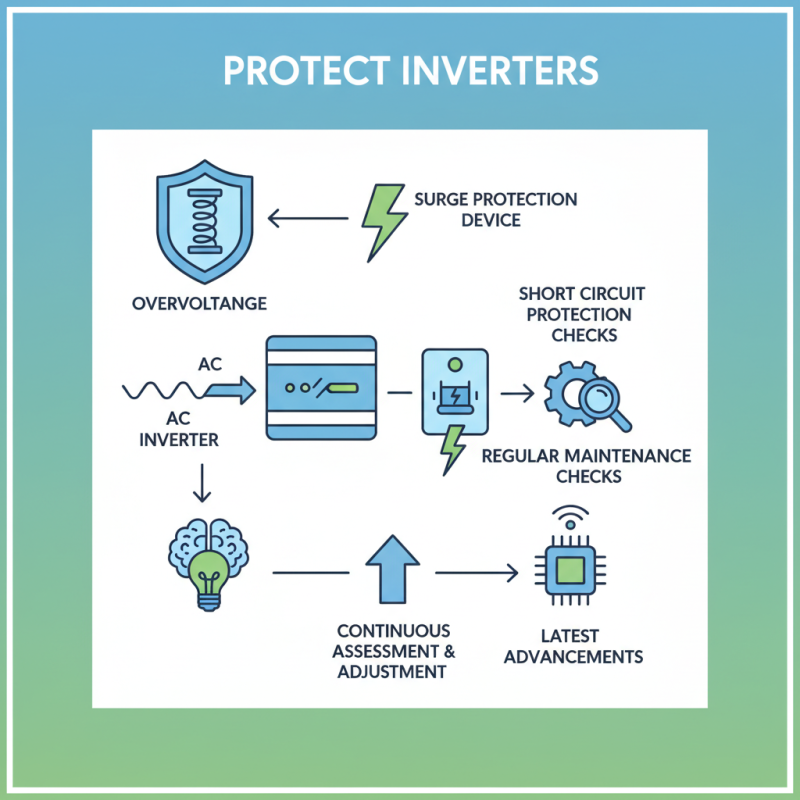
Protecting inverters requires a blend of knowledge and practical strategies. Implementing surge protection devices is one effective method. These devices absorb excess voltage, preventing damage to the inverter. Additionally, circuit breakers can be installed to interrupt power flow during short circuits. Regular maintenance checks are vital, ensuring that all protective measures function correctly.
Through proper planning and proactive measures, you can safeguard your inverter effectively. There may be instances where issues arise despite precautions. Continuous assessment and adjustments to protection strategies can make a significant difference. Staying informed about the latest advancements in inverter technology will also enhance your protective approach. Prioritizing these steps will not only improve durability but also enhance overall system efficiency.
Understanding Overvoltage and Short Circuits in Inverters
Inverters play a crucial role in energy conversion systems. However, they can face risks like overvoltage and short circuits. Understanding these risks is essential for effective safeguarding. Overvoltage occurs when the voltage exceeds safe limits. This can cause damage to the components of the inverter and affect its performance. Short circuits, on the other hand, happen when electrical current flows through an unintended path. This can lead to overheating and fires.
Tips: Regularly inspect the inverter for signs of damage. Ensure all connections are secure. Installation of surge protection equipment can help mitigate overvoltage risks.
It’s important to recognize that even the best systems can fail. Environmental factors like humidity or temperature fluctuations can influence inverter performance. Monitoring conditions regularly is vital. Additionally, user errors in installation or operation can lead to significant issues. Training users is often overlooked but crucial for preventing mishaps.
Tips: Maintain a log of operational data. This can help in identifying patterns that lead to failures. Periodic maintenance checks can extend the life of inverters and enhance safety.
How to Safeguard Inverters from Overvoltage and Short Circuits
| Parameter |
Description |
Protective Measures |
| Overvoltage |
A condition where voltage exceeds the specified limit. |
Install surge protectors, use voltage clamping devices. |
| Short Circuit |
An unintended path for current, causing excessive current flow. |
Use circuit breakers, fuses, and implement proper wiring techniques. |
| Voltage Rating |
The maximum voltage an inverter can handle safely. |
Choose an inverter with appropriate voltage rating for application. |
| Grounding |
Connection to earth that helps to prevent overvoltage. |
Ensure proper grounding of the inverter and associated components. |
| Thermal Management |
Managing the heat produced by the inverter during operation. |
Use heat sinks and ensure adequate airflow around the inverter. |
Common Causes of Overvoltage and Short Circuits in Inverter Systems
In inverter systems, overvoltage and short circuits are common issues that can cause serious damage. Overvoltage often arises from sudden surges in electricity, such as lightning strikes or grid fluctuations. These spikes can overwhelm the inverter’s protective circuits, leading to potential failures. Short circuits usually occur due to faulty wiring, damaged components, or poor insulation. As a result, it’s crucial to identify these risks early.
Regular maintenance and monitoring are essential for preventing these problems. Users should inspect wiring and connectors periodically, looking for signs of wear. Ensuring that all components are rated for the required voltage can prevent overloading the system. Installing surge protectors can help mitigate the effects of voltage spikes.
If issues are detected, they must be addressed immediately. Ignoring early warning signs can lead to costly repairs. An ounce of prevention can save a significant amount of time and money. Being proactive not only protects the inverter but also extends its lifespan. Reflection on past experiences can guide future actions, fostering a more resilient system.
Preventive Measures to Protect Inverters from Overvoltage
Inverters play a critical role in various applications, from renewable energy systems to industrial settings. However, they are vulnerable to overvoltage and short circuits, which can lead to costly damage. Implementing preventive measures is essential to safeguard your inverters against these risks.
One effective method is to install surge protective devices (SPDs). According to a report by the Electric Power Research Institute, overvoltage events can occur due to lightning strikes or sudden load changes. An SPD can mitigate these risks by diverting excess voltage away from the inverter. Regular maintenance checks are also vital. Training staff to recognize potential issues can further reduce risks.
Tips:
- Regularly inspect connections. Loose wires can lead to short circuits.
- Monitor voltage levels. Use data loggers to identify unusual spikes.
Consider incorporating
fuses or
circuit breakers as additional layers of protection. The National Electrical Manufacturers Association recommends that fuses should be properly rated to protect against overcurrent. Remember, even minor spikes in voltage can create significant challenges.
Tips:
- Ensure your fuses are easily accessible for quick replacement.
- Schedule routine assessment of your system’s voltage handling capabilities.
By being proactive, you can minimize the impact of electrical faults on inverter operations. A well-maintained system can greatly enhance reliability and efficiency.
Implementing Circuit Breakers and Fuses for Short Circuit Protection
When safeguarding inverters, integrating circuit breakers and fuses is crucial. These devices serve as the first line of defense against short circuits. Circuit breakers automatically disconnect power during overloads, minimizing damage. Fuses, on the other hand, are designed to blow, disrupting the circuit and providing a clear indication of an issue. Both components can prevent catastrophic failures, but their limitations must be understood.
Consider the capabilities of circuit breakers and fuses. Circuit breakers can be reset, making them reusable. However, they may not trip quickly enough in all situations. Fuses are reliable but need replacement after an event. Regular inspections are important. They help ensure that these protective devices function properly. This process, while tedious, is essential in maintaining system integrity.
In some cases, failures still occur, even with these protections. Technical oversights or incorrect installations might lead to equipment damage. Understanding the environment in which the inverter operates is vital. Each installation might require specific types of fuses or circuit breakers. There is no one-size-fits-all solution. Continuous learning and adaptation in approach help safeguard your investment effectively.
Safeguarding Inverters: Overvoltage and Short Circuit Protection
Regular Maintenance and Monitoring for Inverter Safety and Longevity
Inverter safety is crucial for optimal performance and longevity. Regular maintenance and monitoring can prevent overvoltage and short circuits, which are common causes of inverter failures. Research shows that proper upkeep can extend the life of an inverter by 30%, emphasizing the need for a proactive approach.
To ensure safety, inspect your inverter at least twice a year. Look for signs of wear and tear, such as frayed wires or corroded terminals. Dust and debris can accumulate in cooling fans, reducing efficiency. Clean these areas carefully. Regular checks can help identify issues before they escalate into costly repairs.
Tips:
- Keep the inverter in a well-ventilated area.
- Use a surge protector to guard against spikes.
Monitoring performance metrics is equally important. Keep track of voltage and output levels. A sudden drop can indicate a malfunction or short circuit. Implement surge protection devices to safeguard against electrical spikes. Studies suggest that 70% of inverter issues stem from electrical or environmental stress.
Tips:
- Invest in monitoring software for real-time data.
- Schedule professional inspections annually.
Regular maintenance and vigilant monitoring create a safer environment for your inverter. They not only enhance reliability but also prevent unexpected shut-downs. Prioritizing these practices can lead to significant long-term savings and improved efficiency.
FAQS
: Overvoltage happens when voltage exceeds safe limits. It can damage inverter components and reduce performance.
Short circuits allow electrical current to take unintended paths. This can cause overheating and potentially lead to fires.
Common causes include lightning strikes and grid fluctuations. These can create sudden surges that overwhelm protective circuits.
Users should install surge protection equipment and regularly inspect connections. Addressing signs of wear early is essential.
Regular maintenance helps identify risks early and prevents costly repairs. It also extends the lifespan of the inverter.
Circuit breakers disconnect power during overloads. Fuses blow to indicate issues. Both protect against short circuits.
Circuit breakers may not trip quickly in all scenarios. Their effectiveness can depend on specific installation conditions.
Logging data helps identify patterns that lead to failures. Reflecting on past issues can guide better future practices.
Ignoring early warning signs can lead to significant damage. Taking proactive steps can save time and money in repairs.
No, each installation may require different protective devices. Continuous learning about specific needs helps safeguard systems better.
Conclusion
Inverters are crucial components in various electrical systems, but they are susceptible to issues like overvoltage and short circuits. Understanding the nature of these problems is vital for ensuring the safety and longevity of inverter systems. Common causes such as fluctuating power supplies, faulty wiring, and external factors can lead to these issues. To address "how to protect inverter from overvoltage and short circuit," various preventive measures can be implemented, including the use of circuit breakers and fuses that automatically disconnect systems during faults.
Regular maintenance and monitoring play a key role in safeguarding inverters. By conducting routine checks and performance assessments, potential issues can be identified early, reducing the risk of damage. Overall, a proactive approach that includes preventive measures, effective protective devices, and diligent maintenance is essential for maintaining inverter safety and efficiency.

 Sriram Electricals