How to Reduce Noise from Power Inverter for Better Performance?

Time:2026-06-30 Author:Henry
0%

In modern technology, power inverters play a crucial role in converting DC electricity to AC power. However, they can be quite noisy, which is often overlooked. Understanding how to reduce noise from power inverter setups can greatly enhance their performance and your comfort. The noise can stem from various sources, including cooling fans, electrical components, and even the inverter's design.

Noise reduction is not just about comfort; it can improve efficiency. When an inverter operates quietly, it's often running better, producing cleaner power. Users may question why their inverters are so loud and what they can do. Many are unaware of simple techniques that can minimize this issue. Recognizing the problem is the first step toward the solution.

The experience of countless users informs us that with the right strategies, you can achieve significant noise reduction. Delving into specific adjustments or modifications can make a substantial difference. While no method guarantees complete silence, applying several practical solutions will lead to a noticeable decrease in noise. In this article, we will explore effective ways to accomplish this goal.
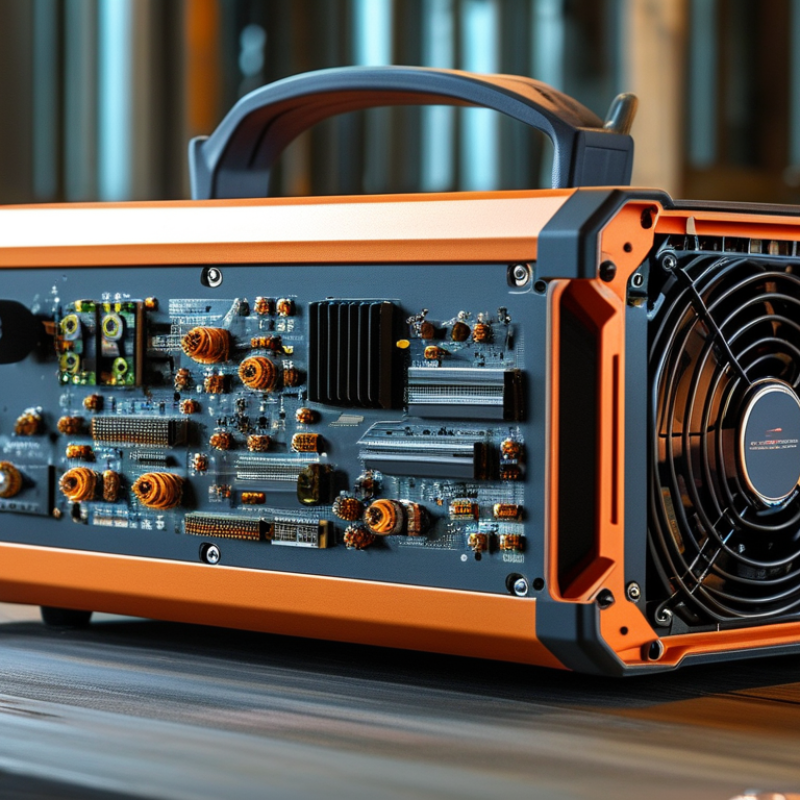
How to Reduce Noise from Power Inverter for Better Performance?

Understanding the Sources of Noise in Power Inverters

Noise from power inverters is a common issue that can affect their performance. Understanding the sources of this noise is crucial for troubleshooting and improving overall efficiency. Common sources of noise include electromagnetic interference (EMI), switching operations, and mechanical vibrations. These factors can lead to unwanted sound, affecting user experience and device functionality.

To reduce noise, consider the placement of the inverter. Keep it away from sensitive electronics. Proper isolation can minimize the impact of EMI. Additionally, ensure that the inverter is mounted securely to reduce vibration. Loose components can exacerbate noise levels.

Another tip is to use quality cables and connectors to reduce the static noise emitted during operation. Investing in good grounding practices can help mitigate EMI issues as well. Check for good connections regularly. It's essential to conduct routine maintenance and inspect the inverter for wear and tear. Over time, components can wear down, leading to increased noise levels. Regular checks can help maintain optimal performance.

Impact of Noise on Inverter Performance and Efficiency

Noise generated by power inverters significantly impacts their performance and efficiency. Studies indicate that noise levels above 60 decibels can hinder inverter functionality. Excessive noise can lead to unwanted vibrations, which may cause mechanical failures over time. The relationship between noise and efficiency is evident; higher noise often translates to wasted energy. According to the International Energy Agency, reducing noise levels can enhance inverter efficiency by as much as 10%.

Several factors contribute to inverter noise. The design of the inverter, including fan placement and cooling systems, plays a crucial role. Poorly designed components can generate more noise, creating inefficiencies. Additionally, environmental factors like temperature fluctuations can exacerbate noise issues. In one report, it was found that inverters operating in higher temperatures showed a noise increase of 15%. By addressing these aspects, manufacturers may improve performance and reduce the operational noise of inverters.

Addressing noise in inverters is not just a technical challenge; it reflects a larger commitment to efficiency. Some manufacturers are innovating with advanced sound-dampening technologies. However, not all solutions are equally effective. The ongoing evolution of inverter technology demands a closer look at these noise issues to ensure sustained performance and reliability.

Techniques for Shielding and Grounding Power Inverters

Reducing noise from power inverters is crucial for optimal performance. One effective technique is proper shielding. Shielding involves enclosing the inverter with conductive materials that block electromagnetic interference. This can significantly minimize unwanted noise. Use materials like aluminum or copper sheets. These metals are effective at reducing radio frequency interference.

Grounding is equally important. A good grounding system directs excess electrical energy away from the inverter. Ensure that the inverter is connected to a solid ground. This reduces the risk of noise and improves safety. Sometimes, grounding can be overlooked. An inadequate ground connection might lead to increased noise levels.

Proper installation practices matter too. Ensure all connections are tight. Loose wires can introduce noise. Additionally, consider the layout of your system. Avoid running power cables parallel to signal cables. This separation helps to maintain clean power. Each detail contributes to the overall performance. Reflecting on these techniques can lead to better results in noise reduction and performance enhancement.

How to Reduce Noise from Power Inverter for Better Performance? - Techniques for Shielding and Grounding Power Inverters

Technique Description Effectiveness Cost
Shielding Using conductive materials to encase the inverter, minimizing electromagnetic interference. High $$$
Grounding Connecting the inverter's ground to a local ground system to reduce noise and potential electrical issues. Medium $
Isolation Using transformers or isolation pads to keep the inverter isolated from the surrounding environment. High $$
Cable Management Organizing and securing cables to reduce loop areas and minimize radiation of electrical noise. Medium $
Filter Installation Installing capacitive and inductive filters to suppress high-frequency noise. High $$$

Implementing Noise Filters and Isolation Transformers

Noise from power inverters can significantly affect performance. To combat this, implementing noise filters and isolation transformers is vital. Noise filters are designed to eliminate unwanted frequencies that may interfere with the inverter. Using capacitors and inductors in these filters can reduce electromagnetic interference (EMI). Industry studies show that effective filtering can lower noise levels by up to 40%, enhancing overall efficiency.

Isolation transformers play a crucial role in reducing common-mode noise. They isolate the load from the power source, minimizing disturbances caused by ground loops. According to a report from the Institute of Electrical and Electronics Engineers (IEEE), transformers can improve power quality by ensuring stable voltage levels. This stability is essential for sensitive equipment that requires clear signal integrity.

Tips for reducing noise include:

- Place filters as close to the inverter as possible.
- Regularly inspect and maintain equipment.
- Use proper grounding techniques to minimize disturbances.

Addressing noise issues is an ongoing process. It's important to continually assess the effectiveness of installed solutions. Remember, noise reduction significantly enhances performance and increases the lifespan of electrical systems.

Regular Maintenance Practices to Reduce Inverter Noise Levels

Maintaining your power inverter is essential for reducing noise levels. Regular inspections can prevent potential issues that lead to increased sound. Start by checking the fan. A dusty or obstructed fan can create unnecessary noise. Clean it regularly to ensure smooth operation. Lubricate moving parts to keep everything running quietly.

Another key practice is to secure all connections. Loose wires can vibrate and amplify noise. Examine the casing and make sure all screws are tight. If you find any parts that are worn out, consider replacing them. This small effort can significantly impact the overall sound.

Proper placement of the inverter also matters. Avoid tight spaces that trap sound. Use sound-absorbing mats beneath the device. Each small adjustment contributes to a quieter environment. These practices may seem minor, but they accumulate over time. Reflect on how your routine can improve inverter performance and reduce noise.

FAQS

: What impact does noise have on inverter efficiency?

: Noise over 60 decibels can hinder inverter functionality and lead to wasted energy, affecting overall efficiency.

How does temperature affect inverter noise?

Higher temperatures can increase noise levels by 15%, complicating inverter performance and reliability.

What is an effective method for reducing inverter noise?

Proper shielding with conductive materials can block electromagnetic interference and minimize unwanted noise.

Why is grounding important for inverters?

Good grounding directs excess electrical energy away, reducing noise levels and improving safety.

What are noise filters, and how do they work?

Noise filters eliminate unwanted frequencies using capacitors and inductors, lowering noise levels by up to 40%.

How can isolation transformers enhance power quality?

Isolation transformers isolate loads from power sources, reducing common-mode noise and ensuring stable voltage levels.

What installation practices help reduce noise?

Tight connections and separating power cables from signal cables improve performance and minimize noise interference.

How often should noise reduction techniques be assessed?

Regular assessment of installed solutions is essential to ensure ongoing effectiveness in reducing noise issues.

What materials are effective for shielding inverters?

Aluminum or copper sheets are recommended for their ability to reduce radio frequency interference.

Why should manufacturers focus on inverter design?

Improving design aspects can enhance performance and reduce operational noise, leading to better efficiency.

Conclusion

The article "How to Reduce Noise from Power Inverter for Better Performance?" explores various aspects of noise generated by power inverters and its implications on their performance and efficiency. It starts by understanding the sources of noise, which can stem from electrical interference, mechanical vibrations, and other factors. The impact of this noise can lead to decreased performance and higher energy losses, making it crucial for users to address these issues.

To effectively combat noise, several techniques are recommended, including proper shielding and grounding of the inverters, as well as the use of noise filters and isolation transformers. Regular maintenance practices are also emphasized to ensure that noise levels remain low, thereby enhancing the inverter's efficiency. By following these guidelines on how to reduce noise from power inverter, users can significantly improve their system's overall performance.

Henry

Henry

Henry is a dedicated marketing professional with a profound expertise in the company's offerings. With years of experience in the industry, he possesses an impressive understanding of the market dynamics and consumer behaviors that drive success. Henry is committed to sharing his insights through......