China Top 10 Inverters How to Prevent Overvoltage Shorts?

Time:2026-10-19 Author:Sienna
0%

China’s top ten inverter manufacturers operate in a market where reliability is no longer optional. The International Energy Agency reported that global solar photovoltaic capacity exceeded 1,400 GW by the end of 2023. Each additional installation increases exposure to switching surges, lightning impulses, grid disturbances, and wiring mistakes. A small insulation fault can become a blackened terminal, a tripped breaker, or a failed DC bus.

This introduction examines How to protect inverter from overvoltage and short circuit through practical design and maintenance. IEC 62109-1 and IEC 62109-2 define essential safety requirements for power conversion equipment. IEC 61643-31 addresses surge protective devices used on photovoltaic systems. The IEA PVPS Trends report also highlights the importance of system quality, monitoring, and long-term performance. These reports provide a technical baseline, not a guarantee. Field conditions remain untidy.

Professor Frede Blaabjerg, a leading power-electronics researcher, has stated, “Reliability must be considered from the beginning of the design process.” That principle matters inside a real inverter cabinet. Correct DC polarity, short cable runs, coordinated surge protection, suitable fuses, and verified grounding all reduce stress. Thermal inspection also matters. A loose lug may appear harmless during commissioning, then heat like a small stove under load. Engineers should not assume that a premium inverter survives every abnormal event. Protection coordination must match the inverter’s voltage, current, enclosure, and grid environment. Even this approach has limits. Poor installation can defeat excellent equipment.
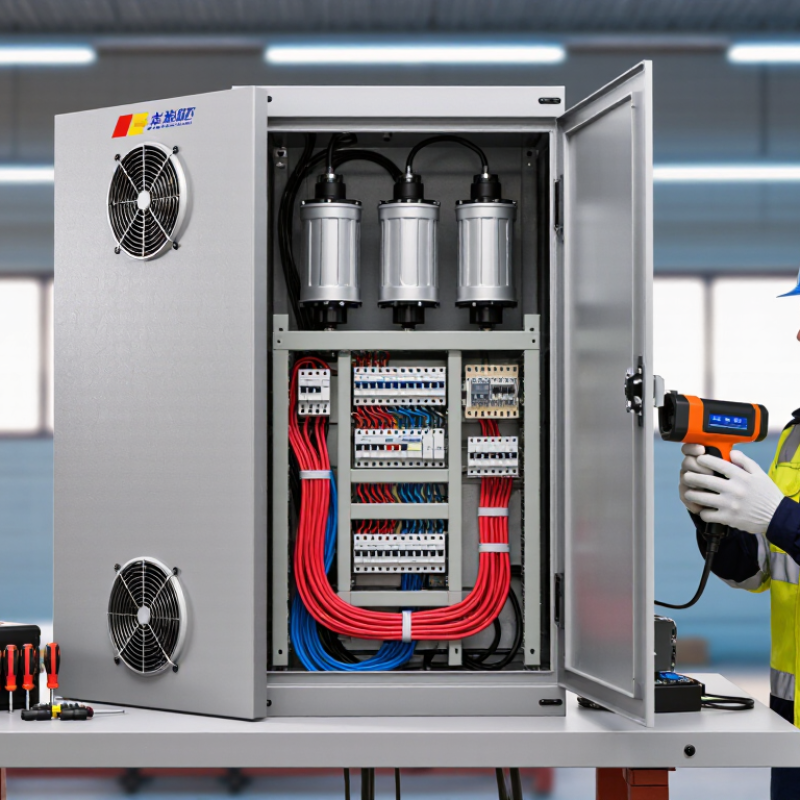
China Top 10 Inverters How to Prevent Overvoltage Shorts?

Understanding Overvoltage Shorts in China’s Top 10 Inverters

Understanding Overvoltage Shorts in China’s Top 10 Inverters

Overvoltage shorts usually begin with excessive DC voltage, poor insulation, or a damaged switching device. In China’s leading inverter segment, technicians often find burnt MOSFETs, blackened terminal blocks, and melted cable insulation after voltage spikes. The IEA PVPS Trends 2024 report recorded global solar capacity above 1.6 terawatts by the end of 2023. Larger arrays create greater exposure to transient voltage events. A small wiring mistake can become expensive quickly.

Field checks should start with string voltage, polarity, and connector temperature. Measure the open-circuit voltage during the coldest expected conditions, not only on warm afternoons. IEC 62109-1 and IEC 62109-2 require safety provisions for power conversion equipment, but installation quality still matters. The NREL PV Fleet Performance Data Initiative has reported that inverter-related faults remain a significant source of photovoltaic downtime, although fault categories vary by project. Numbers alone do not reveal every failure.

Keep DC cables short and correctly rated. Use surge protection matched to the system voltage. Inspect connectors for moisture, looseness, and partial insertion. Strange smell? Stop testing. A recurring weakness is overconfidence in factory protection. Protection cannot correct reversed polarity, undersized cable insulation, or an incorrectly configured battery bank. I would also question simple “pass” readings, because a dry insulation test may miss heat-related breakdowns. Reliable prevention needs records, thermal scans, and repeat measurements after commissioning.

Identifying Common Causes of Inverter Overvoltage Faults

China Top 10 Inverters: How to Prevent Overvoltage Shorts?

Overvoltage faults often begin with a simple mismatch. A solar array may produce more DC voltage than the inverter’s maximum input rating. Cold mornings can raise panel voltage sharply. Incorrect series connections create the same danger. On the AC side, unstable grid voltage, a loose neutral, or long undersized cables may push output voltage beyond safe limits. I have seen technicians replace damaged fuses before checking the array configuration. That mistake wastes time and can hide the real cause. Measure voltage at the inverter terminals, not only at the distribution box. Record readings during startup and peak sunlight.

Tips: Check the open-circuit voltage of every string. Compare it with the inverter’s rated range. Inspect connectors for heat marks, moisture, and reversed polarity. Tighten terminals to the specified torque. Keep surge protection correctly grounded. Firmware settings also deserve attention, especially after equipment replacement. Never bypass an overvoltage alarm. Isolate the system and use qualified electrical personnel for testing.

Short circuits may appear after repeated overvoltage stress. Capacitors weaken, insulation cracks, and switching components can fail without warning. A clean installation still needs regular review. Weather changes, grid upgrades, and added panels can alter operating conditions. My inspection notes are not always perfect, so a second measurement matters. Do not trust one reading. Verify the meter, the wiring diagram, and the protection settings before restoring power.

Checking Voltage Ratings and Selecting Compatible Components

When evaluating China’s top ten inverter options, voltage ratings should guide every comparison. Do not judge compatibility by wattage alone. Read the inverter’s maximum DC input voltage, operating range, AC output voltage, and surge limit. A panel string operating near the maximum rating can become unsafe during cold, bright mornings.

Check the actual system voltage with a calibrated multimeter before connecting components. Measure each string separately. Then compare the readings with the inverter datasheet and the local electrical design. A 600-volt inverter needs components rated above 600 volts, including isolators, fuses, connectors, and cables. Small mismatches matter. A connector with a lower rating may heat, arc, or create a short.

Compatibility also depends on polarity, current capacity, grounding, and communication settings. Use components with suitable voltage and current tolerances, not merely equal numbers. Inspect connector crimping carefully; loose metal can raise resistance and produce heat under load. Keep cables dry and protected from sharp edges. Testing helps.

Still, field conditions can expose weaknesses that calculations miss. A long cable run may cause voltage drop. Dust can hide damaged insulation. I have seen teams trust a display reading without checking the terminals directly. That shortcut is risky. Recheck measurements after startup, under load, and after temperature changes. Documentation should record readings, test equipment, and corrective actions for reliable maintenance.

Applying Protective Devices to Prevent Overvoltage Shorts

Overvoltage protection starts with understanding the fault path. Lightning, grid switching, and long DC cable runs can create short, high-energy surges. These surges may damage insulation, trigger arcing, or destroy inverter components. The IEA PVPS Trends 2024 report recorded more than 400 GW of new photovoltaic capacity in 2023. More installations mean more exposure to transient voltage events. The risk is growing.

Install a DC surge protective device near the inverter and array entry point. IEC 61643-31 covers surge protective devices for photovoltaic DC systems. Select the voltage rating above the array’s maximum open-circuit voltage. Coordinate the device with string fuses, DC isolators, and earthing conductors.

On the AC side, use a properly rated SPD at the distribution board. Keep grounding paths short and straight. Measure twice.

Field inspections often find long, coiled grounding wires and poorly tightened terminals. These small details increase residual voltage during a surge. Thermal monitoring can reveal overheating connections before insulation fails. Inverter logs also help identify repeated overvoltage events. The Fraunhofer ISE Photovoltaics Report shows modern PV modules commonly exceed 20% efficiency, but higher output does not remove protection needs. A protection plan can still be incomplete if technicians ignore cable routing, local lightning exposure, or maintenance records. That gap matters.

Testing, Monitoring, and Maintaining Inverter Safety Systems

China Top 10 Inverters: How to Prevent Overvoltage Shorts?

Testing, monitoring, and maintenance keep inverter safety systems dependable. IEA PVPS Trends 2024 reported 456 GW of new solar capacity in 2023. That growth increases the need for disciplined electrical protection. Before energizing an inverter, technicians should test insulation resistance, grounding continuity, surge protection, and DC polarity. Measurements must follow applicable standards, including IEC 62109 and IEC 62477. A small polarity error can create a dangerous short circuit.

Monitoring should track DC voltage, AC voltage, leakage current, temperature, and fault-code frequency. Set alarm limits below the inverter’s absolute maximum ratings. Review trends, not only sudden failures. Fraunhofer ISE’s Photovoltaics Report 2024 notes that modern inverter peak efficiencies commonly exceed 98 percent. However, high efficiency does not remove thermal stress. A blocked ventilation path, dusty filter, or loose terminal can still raise internal temperatures. Check connectors with thermal imaging during heavy operation.

Maintenance records should include test values, dates, ambient conditions, and corrective actions. Replace damaged surge devices immediately. Inspect cables for discoloration, cracking, and sharp bends. Field practice is rarely perfect; sensors can drift, and one inspection may miss a hidden defect. Independent verification is worth the extra time. Operators should also test shutdown functions under controlled conditions, without bypassing protective devices or opening energized equipment. The IEA PVPS Task 13 reliability work repeatedly highlights consistent operation and maintenance as essential for reducing system downtime.

FAQS

Which voltage ratings should be checked before selecting an inverter?

Check maximum DC input voltage, operating range, AC output voltage, and surge limit. Compare every component rating with the complete system design.

Why is wattage alone insufficient for compatibility?

Equal wattage does not guarantee matching voltage, current, polarity, grounding, or communication settings. Small mismatches matter. They may create heat or arcing.

How should system voltage be measured before connection?

Use a calibrated multimeter and measure every panel string separately. Compare readings with the inverter datasheet and electrical design. Recheck after startup, under load, and during temperature changes.

What happens when a component has a lower voltage rating?

A lower-rated connector, fuse, isolator, or cable may overheat or fail. It can also create an arc or short circuit. Use suitable tolerances, not identical numbers only.

Where should surge protection devices be installed?

Install DC protection near the inverter and array entry point. Install AC protection at the distribution board. Keep grounding paths short and straight.

How can grounding and cable routing reduce surge damage?

Avoid long, coiled grounding wires and loose terminals. Protect cables from moisture, sharp edges, and severe bends. A simple route is safer.

What tests should be completed before energizing an inverter?

Test insulation resistance, grounding continuity, surge protection, and DC polarity. Follow applicable electrical standards. A small polarity mistake can cause a dangerous fault.

Which operating values should monitoring systems track?

Monitor DC voltage, AC voltage, leakage current, temperature, and fault frequency. Set alarms below absolute maximum ratings. Trends often reveal trouble earlier than sudden failures.

How can maintenance teams find hidden overheating?

Use thermal imaging during heavy operation. Inspect terminals, connectors, filters, and ventilation paths. Look for discoloration, cracking, dust, or unusual heat.

What weaknesses can remain after a normal inspection?

Sensors can drift, dusty areas can hide damage, and displays may mislead technicians. Independent verification helps. One inspection is not proof.

Conclusion

Understanding overvoltage shorts in China’s top 10 inverters begins with recognizing how excessive voltage, incorrect wiring, unstable grid conditions, and incompatible components can damage internal circuits. A safe system should always be designed around the inverter’s rated input and output limits. Before installation, verify voltage ratings, cable specifications, grounding requirements, and the compatibility of batteries, panels, loads, and control equipment. Selecting properly matched components helps prevent abnormal current and reduces the risk of short circuits.

To learn How to protect inverter from overvoltage and short circuit, users should install suitable surge protective devices, fuses, circuit breakers, and overvoltage protection modules. Regular testing should confirm that these devices respond correctly under abnormal conditions. Continuous monitoring of voltage, temperature, alarms, and insulation status can reveal problems early. Routine maintenance, secure connections, clean ventilation paths, and timely replacement of damaged parts further improve inverter safety, reliability, and service life.

Sienna

Sienna

Sienna is a skilled marketing professional with a deep expertise in our company’s core products and services. With a passion for innovation and detail, she plays a pivotal role in crafting insightful blog posts that not only highlight the unique features of our offerings but also provide valuable......