What Certifications Should a Good Inverter Have?

Time:2026-10-14 Author:Liam
0%

Choosing an inverter is not only a question of power output, efficiency, or price. Safety certifications show whether a product has passed recognized tests for electrical, thermal, and environmental risks. The question is simple: What certifications should a good inverter have? The answer depends on its design, installation location, grid connection, and target market.

For many grid-tied inverters, certifications or compliance evidence may include UL 1741 and IEEE 1547 in North America. European products may reference IEC 62109, IEC 62116, IEC 61727, CE marking, or related national requirements. These standards address areas such as shock protection, anti-islanding behavior, electromagnetic compatibility, and grid interaction. A battery inverter may also require different testing from a solar-only model. Regional rules matter.

A reliable evaluation should go beyond a logo printed on the carton. Check the exact model number, certification scope, issuing laboratory, and current test report. The label should match the nameplate inside the unit. Ask whether the certificate covers the complete inverter or only a component. Small details matter, such as a valid enclosure rating, clear grounding instructions, and documented firmware updates.

Certification is not a perfect guarantee. Standards change, certificates can expire, and installation errors still create hazards. That part is easy to overlook. A good buyer should verify information through accredited laboratories, official manufacturer documents, and qualified installers. I may be cautious here, perhaps overly cautious, but a cheaper inverter with unclear documentation can cost far more after failure. This guide explains the most relevant certifications and how to judge their practical value.
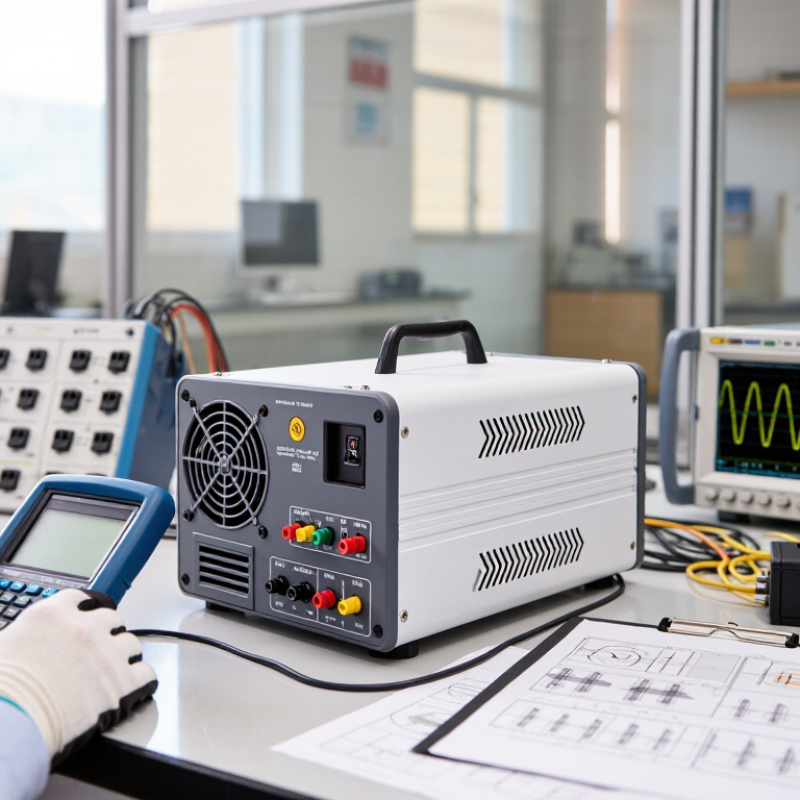
What Certifications Should a Good Inverter Have?

What Inverter Certifications Mean and Why They Matter

What Certifications Should a Good Inverter Have?

What Inverter Certifications Mean and Why They Matter

Inverter certifications show that an independent body has tested specific safety and performance requirements. They are not decorative labels. For grid-connected equipment, standards such as IEEE 1547 address grid interaction, voltage control, and anti-islanding behavior. IEC 62109 focuses on safety for power conversion equipment. UL 1741 may indicate testing for inverter safety and applicable grid functions in certain markets.

These documents matter because an inverter handles high voltage, heat, and changing electrical loads. A certified unit should limit risks during faults, abnormal grid conditions, and maintenance. Look closely at the certificate scope. It should match the inverter model, firmware, installation type, and destination market. A certificate for one product family may not cover every configuration.

Certification is useful evidence, not a promise of perfect operation. Field conditions can be harsher than laboratory tests. Dust, poor ventilation, unstable voltage, and incorrect wiring still create problems. The latest standard may also differ from an older certificate. This detail is easy to miss. I would check the issuing laboratory, test date, standard edition, and public verification record before purchase. Installation instructions deserve equal attention. A well-tested inverter can still perform poorly when mounted in direct heat or connected with undersized cables. That is where certification meets real experience, and the paperwork becomes less simple.

Core Safety Standards for Reliable Inverter Design

A reliable inverter needs more than a high efficiency figure. Its safety certification should match the installation environment and destination market. IEC 62109-1 and IEC 62109-2 address electrical, thermal, mechanical, and fire risks in power conversion equipment. IEC 62477-1 adds broader requirements for power electronic systems. These standards examine insulation, protective bonding, leakage current, abnormal operation, and component temperatures.

Market approval may require additional testing. In North America, certification against UL 1741 and grid-interconnection requirements is commonly expected. European projects often reference IEC 62109, IEC 62116, and IEC 61727. Electromagnetic compatibility also matters, with the IEC 61000 series limiting harmful interference. A certificate should identify the exact model, firmware scope, ratings, and test conditions. Vague claims are weak evidence.

The IEA PVPS Trends 2024 report recorded about 456 GW of new photovoltaic capacity in 2023, pushing global capacity beyond 1.6 TW. More installations mean more inverters operating beside homes, factories, and sensitive control equipment. Commissioning teams should still verify earthing, enclosure sealing, cable torque, and thermal clearances on site. Look for the test report, not only the logo. Certification cannot prevent poor installation. That part is easy to underestimate. Even certified equipment may fail when dust blocks ventilation or connectors loosen under vibration. Standard compliance is essential, but field discipline remains imperfect and deserves regular review.

What Certifications Should a Good Inverter Have? - Core Safety Standards for Reliable Inverter Design

Certification or Standard Primary Focus What It Evaluates Typical Market or Application Why It Matters
IEC 62109-1
Safety of Power Converters
General electrical and mechanical safety Protection against electric shock, fire, hazardous energy, abnormal operation, temperature rise, insulation failure, and mechanical hazards Power converters used in photovoltaic and other energy systems Provides the basic safety framework for evaluating the inverter as a power-conversion product
IEC 62109-2
Requirements for Inverters
PV inverter-specific safety PV input circuits, output circuits, protective functions, residual-current protection, isolation, and inverter-specific operating conditions Grid-connected and stand-alone photovoltaic inverters Adds requirements that address hazards unique to photovoltaic power conversion
IEC 62477-1
Safety Requirements for Power Electronic Converter Systems
System-level converter safety Electrical, thermal, fire, mechanical, and energy-related hazards in power electronic converter systems Industrial, energy-storage, UPS, and power-conversion equipment where applicable Supports a broader safety assessment when the equipment falls within its scope
UL 1741
Inverters, Converters, Controllers and Interconnection System Equipment
Product safety and grid-interconnection equipment Construction, component safety, abnormal conditions, electrical insulation, temperature, fire enclosure, and protective functions United States and North American installations, when required by the authority having jurisdiction Commonly used as a key product-safety route for grid-connected inverter equipment
IEEE 1547
Interconnection and Interoperability of Distributed Energy Resources
Grid behavior and distributed-energy-resource interconnection Voltage and frequency response, abnormal grid conditions, power quality, cease-to-energize behavior, and interoperability functions United States distributed-generation and energy-storage applications Helps ensure that an inverter responds to grid disturbances in a controlled and predictable manner
CSA C22.2 No. 107.1
General Use Power Supplies
Electrical safety for power-conversion equipment Insulation, grounding, protection against shock, temperature, abnormal operation, enclosure, and construction requirements Canada and applicable North American product-certification programs Addresses Canadian safety requirements for applicable inverter and power-supply equipment
IEC 61000-6-2
EMC Immunity for Industrial Environments
Electromagnetic compatibility immunity Resistance to electrostatic discharge, radiated and conducted disturbances, electrical fast transients, surges, and magnetic-field disturbances Industrial inverter installations and environments, where applicable Reduces the risk of malfunction caused by electromagnetic disturbances
IEC 61000-6-4
EMC Emissions for Industrial Environments
Electromagnetic emissions Conducted and radiated emissions generated by the inverter during normal operation Industrial and energy-system equipment, where the standard is applicable Helps prevent the inverter from interfering with nearby control, communication, and electrical equipment
IEC 60529
IP Code
Ingress protection of enclosures Protection against access to hazardous parts and ingress of solid objects, dust, and water Indoor and outdoor inverter installations The declared IP rating helps match the enclosure to the installation environment; the required rating depends on the site
IEC 61683
Photovoltaic System Power Conditioners
Efficiency measurement Methods for measuring and reporting the efficiency of photovoltaic power conditioners under defined test conditions PV inverter performance testing and technical documentation Makes efficiency figures more consistent and comparable when the stated test method is followed
CE Conformity Marking
Applicable European Union Requirements
Regulatory conformity Compliance with applicable EU legislation, which may include electrical safety, EMC, radio equipment, machinery, or hazardous-substance requirements depending on the product European Economic Area markets, when the product falls under applicable legislation CE is a manufacturer’s conformity declaration rather than a single independent certification; the technical file and declaration should support the marking

Note: The required certifications depend on the inverter type, voltage class, installation environment, destination market, and local grid-interconnection rules. A valid certificate should identify the exact model, revision, ratings, applicable standard editions, test scope, and certification body where third-party certification is required.

Grid, Electrical, and Electromagnetic Compliance Certifications

What Certifications Should a Good Inverter Have?

Grid, Electrical, and Electromagnetic Compliance Certifications

A reliable inverter needs more than a safety label. It should meet electrical safety standards such as IEC 62109-1 and IEC 62109-2. These standards address insulation, temperature, shock protection, and abnormal operating conditions. IEC 62477-1 can provide additional requirements for power electronic systems. Look for test reports from accredited laboratories, not only supplier declarations.

Grid compliance is equally important. Depending on the installation country, relevant requirements may include IEEE 1547, EN 50549, or local grid codes. These rules evaluate voltage control, frequency response, anti-islanding protection, and reconnection behavior. IRENA’s Renewable Capacity Statistics 2024 recorded 473 GW of new renewable capacity in 2023. Solar power contributed about 346 GW. More connected equipment means stricter grid coordination matters.

Electromagnetic compatibility should not be overlooked. IEC 61000 series tests and CISPR requirements help control conducted and radiated emissions. A quiet inverter protects nearby communication and control equipment. Field checks should still measure noise under real load conditions. Certification is not a lifetime guarantee. Dust, heat, wiring, and firmware changes can alter performance. That part is easy to underestimate. Verify certificate scope, model number, test date, and regional validity before purchase. A certificate covering a similar model may not cover the exact inverter installed.

Efficiency, Environmental, and Performance Verification

What Certifications Should a Good Inverter Have?

Efficiency, Environmental, and Performance Verification

A reliable inverter needs more than a polished datasheet. Efficiency should be verified under different loads, not only near the ideal operating point. Look for test evidence based on recognized standards, such as IEC 61683. Peak efficiency matters, but weighted efficiency reflects daily operation better. A technician should also check whether the report covers the exact model and firmware version.

Environmental verification shows how the inverter handles real installation conditions. Relevant testing may include temperature cycling, humidity, vibration, and water or dust protection. An IP rating is useful, but it does not prove complete outdoor durability. Materials compliance, including restrictions on hazardous substances, also supports responsible manufacturing. Yet paperwork can still hide weak testing.

Performance certification should address electrical safety, grid interaction, and protective functions. Standards such as IEC 62109 and IEC 61727 may apply, depending on the market. Some regions also require national grid codes or independent laboratory approval. Check the certificate number, issuing laboratory, test date, and product scope. Small details matter.

Do not trust logos alone. Ask for the full test report.

In field assessments, installation quality often limits performance more than the inverter itself. Poor ventilation can reduce output and shorten component life. I have also found that certificates may exclude accessories or updated firmware. That gap deserves attention. A good review compares certified results with measured voltage, temperature, and energy production after installation.

How to Check an Inverter’s Certification Authenticity

As photovoltaic deployment expands, certification becomes a practical safety filter. IEA PVPS Trends 2024 reported more than 400 GW of new solar capacity installed worldwide in 2023. Fraunhofer ISE’s Photovoltaics Report 2024 placed global capacity near 1.6 TW. More inverters mean more documents to verify.

Do not trust a certificate PDF alone. Check the issuing body’s online directory. Search the exact certificate number, not only the inverter model. Confirm the listed model, rated power, firmware limits, factory, and certification date. The document should match the product label on the enclosure. A QR code helps, but it is not proof. Codes can lead to copied pages.

Standards also need context. IEC 62109 usually addresses inverter safety. IEC 62116 covers anti-islanding testing. Grid connection may require IEC 61727, IEEE 1547, or UL 1741, depending on the market. A CE mark indicates conformity, but it does not always mean independent third-party certification. Look for the laboratory’s accreditation, preferably under ISO/IEC 17025, and the certification body’s competence under ISO/IEC 17065. Ask for the test report when the certificate is unclear. Some sellers may provide genuine documents for an older revision. That detail is easy to miss. I have found that the weakest check is often the buyer’s assumption that a professional-looking file must be current. If the issuer cannot confirm the record directly, pause the purchase.

What Certifications Should a Good Inverter Have?

How to check whether an inverter’s certification is relevant and authentic

The chart maps widely used international standards to the main areas they address: product safety, electromagnetic compatibility, and grid interconnection. A value of 1 means the standard covers that area; 0 means it does not. When checking authenticity, confirm that the certificate lists the exact inverter model, applicable standard edition, certification body, issue date, certificate number, and a searchable verification record on the certifier’s official website.

FAQS

Why does an inverter need safety certification?

Certification evaluates electrical, thermal, mechanical, and fire risks. It also checks insulation, leakage current, protective bonding, and abnormal operation. Efficiency alone is not enough.

Which safety standards may apply to an inverter?

IEC 62109-1 and IEC 62109-2 address inverter safety. IEC 62477-1 covers wider power-electronic systems. Market requirements may add IEC 62116, IEC 61727, IEEE 1547, or UL 1741.

What details should a valid certificate contain?

It should identify the exact model, rated power, firmware scope, factory, test conditions, and certification date. A vague certificate raises questions. Specific details matter.

How can buyers verify a certificate?

Search the certificate number in the issuing organization’s online directory. Match the record with the product label and enclosure markings. Do not trust a PDF alone.

Is a QR code proof of certification?

No. A QR code can open a copied or outdated webpage. Verify the certificate number independently through the issuer’s official directory.

Does a conformity mark always mean third-party certification?

No. A conformity mark may show declared compliance without independent testing. Check the laboratory’s accreditation and request the full test report when necessary.

What should commissioning teams inspect onsite?

Verify earthing, cable torque, enclosure sealing, ventilation space, and connector condition. Look for dust around air openings. Small installation errors can create serious failures.

Can certified equipment still fail?

Yes. Loose connectors, vibration, blocked ventilation, or poor thermal clearance can cause problems. Certification cannot correct weak field practices. That part is easy to underestimate.

Conclusion

Choosing the right inverter involves more than comparing power ratings or prices. What certifications should a good inverter have? It should meet recognized safety standards that confirm protection against electric shock, overheating, short circuits, overloads, and other common operating risks. Depending on its application, the inverter should also demonstrate compliance with grid-connection requirements, electrical installation rules, and electromagnetic compatibility limits. These certifications help ensure that the equipment can operate safely without causing unacceptable interference to nearby devices or the power network.

Reliable certification may also include verified efficiency, temperature performance, durability, and environmental resistance. Such evaluations show whether the inverter can maintain stable operation under different loads and working conditions. Buyers should check certification numbers, issuing organizations, product models, test dates, and official documentation rather than relying only on labels or marketing claims. Authentic certificates should be traceable and match the exact inverter model, helping users select equipment that is safe, compliant, efficient, and suitable for long-term use.

Liam

Liam

Liam is a dedicated marketing professional with a profound expertise in the industry, where he excels at highlighting the unique advantages of our core products. With a keen understanding of market trends and consumer needs, Liam frequently updates our company’s professional blog, providing......