Inverters are critical for converting DC power into AC power for various applications. They are widely used in solar energy systems, uninterruptible power supplies (UPS), and electric vehicles. An important question arises: "How long does an inverter normally last?" According to industry studies, a well-maintained inverter can last anywhere from 5 to 15 years. Factors such as usage, environment, and maintenance play significant roles in determining this lifespan.
Reports from the National Renewable Energy Laboratory (NREL) indicate that up to 30% of inverter failures can be attributed to overheating and poor ventilation. Therefore, proper installation and regular maintenance are essential. Despite their robust design, inverters may face unexpected issues or degrading components over time. Customers should remain informed about these potential challenges to avoid disruptions.
Ultimately, understanding the longevity of inverters requires a balance of knowledge and proactive measures. Users must recognize the signs of wear and be prepared for replacements. As we question "How long does an inverter normally last," we encourage continuous evaluation of performance to ensure reliability and efficiency.
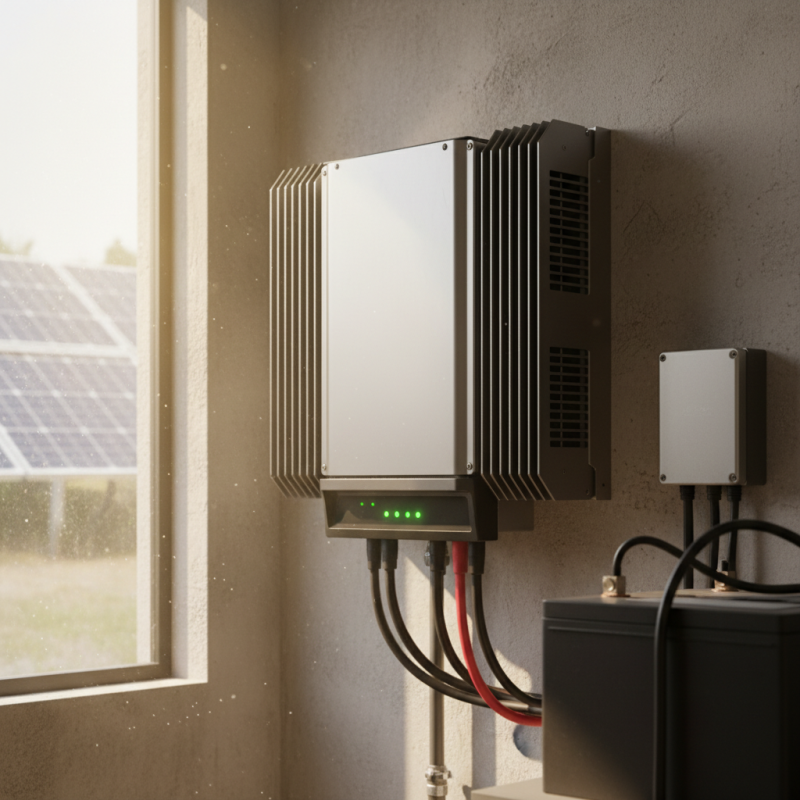
The lifespan of an inverter is influenced by various factors that should not be overlooked. One major aspect is temperature. Inverters are sensitive to heat. High temperatures can accelerate wear and tear, leading to premature failure. Regularly monitoring the operating environment can help extend their life.
Another critical factor is maintenance. Inverters require occasional checks to ensure optimal performance. Dust accumulation can hinder airflow and cause overheating. Cleaning and proper ventilation are essential. Additionally, using the right inverter for the application is crucial. Mismatched power ratings can lead to stress and lessen lifespan.
Quality also plays a role. Investing in a well-made inverter often results in a longer life. However, low-quality components can fail quickly, leading to unexpected downtime. Users should also consider the load applied to the inverter. Consistently running at maximum capacity can lead to strain. Striking a balance is key to reliability and durability.
Inverters play a crucial role in converting direct current (DC) into alternating current (AC). The lifespan of an inverter largely depends on its type and usage conditions. Generally, string inverters last about 5 to 15 years, while microinverters often have a lifespan of 10 to 25 years. A study by the National Renewable Energy Laboratory (NREL) indicates that microinverters may offer a more extended operational period due to their decentralized design.
On the other hand, central inverters, commonly used in large solar plants, typically last around 10 to 20 years. This category can face more wear due to their scale and operational demands. Factors like environmental conditions, system design, and maintenance schedules directly influence longevity. High temperatures and dust can decrease efficiency and lifespan significantly.
**Tips:** Regular maintenance can extend inverter life. Ensure sufficient airflow around the unit. Check connections and wiring frequently. Avoid direct sunlight exposure if possible, as it can lead to overheating.
Investing in quality installation and understanding your inverter's specifications will also enhance performance. Observing usage patterns can reveal needs for upgrades or replacements before issues arise. Inverter technology continues to evolve, yet many users may still overlook regular monitoring.
Inverters play a critical role in energy systems. However, like any electrical device, they can exhibit signs of wear and tear. Identifying these signs early can prevent costly repairs or replacements. One common indicator is unusual sounds. If the inverter starts making buzzing or clicking noises, it may signal internal issues. Observing these sounds can be crucial for timely maintenance.
Another significant sign is overheating. An inverter that feels excessively hot can indicate poor ventilation or internal fault. Maintaining a proper cooling environment is vital for extending its lifespan. Additionally, watch for warning lights on the unit. Many inverters have built-in alarms to alert users to malfunctions. Ignoring these alerts might lead to catastrophic failures.
Lastly, keep an eye on performance output. A noticeable decline in efficiency can point to wear and tear. You might find that it struggles to maintain optimal power levels. This change will affect overall energy usage and cost. Regular checks and observant monitoring are essential. Being proactive can save time and money in the long run.
Inverters play a crucial role in various applications, from renewable energy systems to powering appliances. Proper maintenance can significantly extend their lifespan. Regular inspections are vital. Check for signs of wear or damage frequently. Dust can accumulate inside, affecting performance. Ensure the cooling vents are clear to prevent overheating.
Cleaning is essential. Use a soft brush to remove dust from the exterior. For internal components, consult a professional. It's easy to overlook this step, but neglecting it can lead to costly repairs. Monitor the operating environment. Excessive heat or moisture can reduce longevity. Keep inverters in a controlled space whenever possible.
Battery maintenance is another critical aspect. Keep connections clean and tight. Regularly check the battery’s state to avoid unexpected failures. Fluctuations in power can put unnecessary stress on inverters. Understanding these nuances helps in enhancing inverter longevity. It provides insight into potential issues, ensuring they don’t go unnoticed.
| Inverter Type | Typical Lifespan (Years) | Maintenance Frequency | Common Issues | Tips for Longevity |
|---|---|---|---|---|
| Pure Sine Wave | 7-10 | Every 6 months | Overheating, component failure | Keep clean, check connections |
| Modified Sine Wave | 5-8 | Every 6 months | Noise issues, inefficiency | Reduce load, cool environment |
| Grid-Tie Inverter | 5-15 | Annually | Connection issues, warranty expiration | Regular inspection, firmware updates |
| Off-Grid Inverter | 10-15 | Every 6 months | Battery deterioration, grid issues | Battery maintenance, check loads |
Inverters are essential components in renewable energy systems. Understanding when to replace them is crucial for optimal performance. Typically, inverters last between 5 to 15 years, depending on usage and environmental conditions. A comprehensive report from the National Renewable Energy Laboratory indicates that efficiency declines after five years. This decline may affect energy production and increase electricity costs.
When evaluating aging inverters, several aspects must be considered. Performance metrics are vital. Monitoring efficiency levels can help spot issues early. An inverter producing less than 80% of its rated capacity may need replacement. The cost of repairs can sometimes exceed logical maintenance thresholds.
Environmental factors also impact inverter lifespan. Extreme temperatures and humidity levels can accelerate wear and tear. According to a study by Solar Power World, inverters installed in harsh environments experience failure rates up to 25% higher than those in stable conditions. This reality urges homeowners to conduct regular inspections and consider sustainability strategies.
: Temperature and maintenance are key factors. High heat can cause premature failure. Regular checks can help extend life.
Inverters are sensitive to heat. High temperatures accelerate wear and tear. Monitoring the environment is essential for longevity.
Inverters need occasional checks. Dust can hinder airflow and cause overheating. Keeping them clean is vital for performance.
Unusual sounds like buzzing or clicking may indicate issues. Observing these signs can prevent costly repairs later.
Excessive heat can signal poor ventilation or internal faults. A proper cooling environment is crucial for lasting performance.
Warning lights indicate malfunctions. Ignoring these alerts could lead to serious failures. Addressing them promptly is important.
Consistently running at max capacity puts strain on inverters. Balancing load is critical for reliability and durability.
High-quality inverters tend to last longer. Low-quality components can fail quickly. Users may face unexpected downtimes with cheaper options.
A decline in efficiency suggests wear and tear. If the inverter struggles to maintain power levels, it requires attention.
Regular checks help identify problems early. Being proactive can save money and time in the long run.
The lifespan of an inverter is influenced by various factors, including usage conditions, quality of components, and maintenance routines. Typically, how long does an inverter normally last can range from five to fifteen years, depending on the type of inverter and its operational environment.
Signs of wear and tear may include unusual noises, reduced efficiency, or frequent shutdowns, indicating that an inverter may need attention or replacement. To extend the life of an inverter, regular maintenance practices such as cleaning, ensuring proper ventilation, and professional inspections are essential. When considering replacement, one should evaluate the age of the inverter, performance issues, and any advancements in technology that could provide better efficiency and reliability.

Sriram Electricals