In the pursuit of renewable energy, understanding how an inverter works in a solar system is crucial. Experts, like Dr. Emily Carter, a leading renewable energy engineer, emphasize the importance of inverters. "Inverters are the brains of solar systems," she states. They convert direct current (DC) generated by solar panels into alternating current (AC) for household use.
An inverter’s operation may seem straightforward, but its significance cannot be overstated. Without it, solar energy remains trapped. How does an inverter work in a solar system? It transforms the energy collected from sunlight into a format that powers our homes. This process supports electric appliances effectively.
However, challenges exist within this mechanism. Inverters can face issues like overheating or maintenance needs. These factors can reduce system efficiency. Exploring how inverters function means recognizing both their potential and limitations. Addressing these concerns is vital for optimizing solar energy systems.
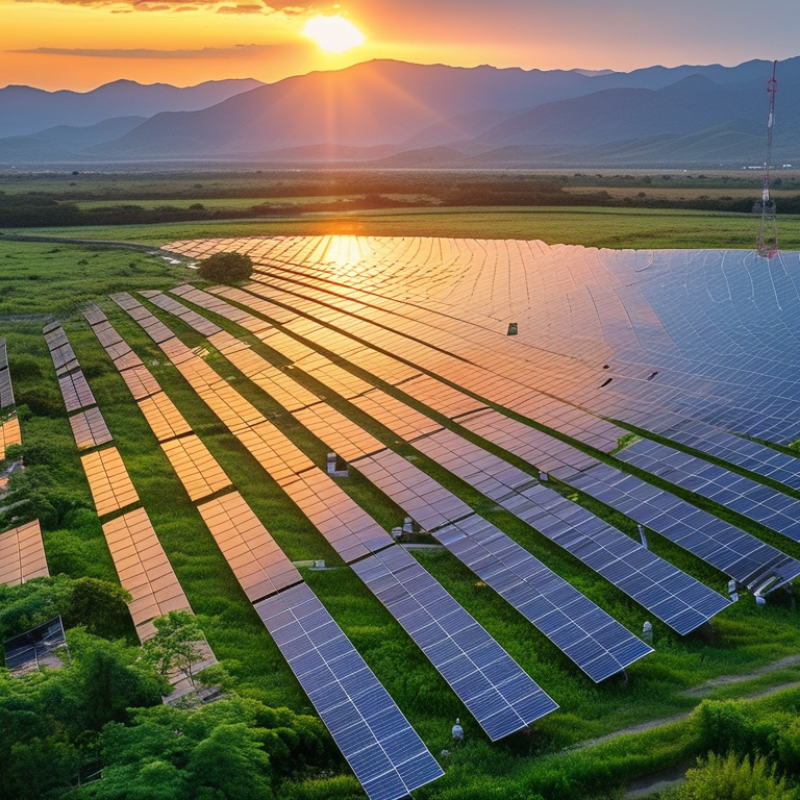
An inverter is a crucial component in solar power systems. Its primary role is to convert the direct current (DC) generated by solar panels into alternating current (AC), which is suitable for household appliances. This conversion is essential, as most modern devices rely on AC power. Without an efficient inverter, your solar system cannot power your home effectively.
When choosing an inverter, consider its efficiency. A higher efficiency rating means less energy loss. In many cases, the inverter may account for around 15% of the total energy loss in a solar system. This might seem minor, but over time, it can lead to significant energy waste. Look for inverters with transformative features, such as maximum power point tracking, which optimize energy capture.
Tips: Regular maintenance of the inverter is vital. Dust and debris can accumulate, affecting performance. Ensure proper ventilation to prevent overheating. Lastly, keep an eye on the inverter’s performance through readings and alerts. This can help detect potential issues early on. An inverter should last many years, but not all do. Evaluate your options carefully, as some may offer better reliability than others.
In a solar energy system, inverters play a crucial role by converting direct current (DC) to alternating current (AC). There are several types of inverters that cater to different needs. The most common types include string inverters, microinverters, and power optimizers. Each type has its unique advantages and limitations.
String inverters are the most widely used type. They manage power from multiple solar panels connected in series. This simplicity makes them affordable. However, their performance can drop if one panel is shaded or dirty. Microinverters are another option. They are installed on each panel, allowing for individual power optimization. This can increase overall energy generation, but they are typically more expensive.
Tips: When choosing an inverter, consider your roof's layout. If there are potential shading issues, microinverters might be a better fit. Regular maintenance is essential for all types. Ensure the inverter is functioning well to avoid unexpected energy losses. Always consult with a professional to determine the best type for your specific situation.
| Inverter Type | Description | Advantages | Disadvantages |
|---|---|---|---|
| String Inverters | Converts DC from solar panels to AC for home use; typically installed in a series. | Cost-effective, simple installation, and reliability. | Performance can be affected by shading and panel mismatch. |
| Microinverters | Small inverters installed on each solar panel, optimizing individual panel performance. | Maximizes energy production; better performance in shaded conditions. | Higher initial cost and more complex installation. |
| Power Optimizers | Works with string inverters to optimize the output of individual panels without converting DC to AC at the panel level. | Improves energy yield and performance monitoring. | Requires a central inverter; still susceptible to the inverter's performance. |
| Hybrid Inverters | Combines the functions of a grid-tied inverter and a battery inverter, allowing for energy storage. | Flexible energy management and backup power availability. | Higher cost and more complex setup. |
In a solar system, inverters play a crucial role. They convert direct current (DC) from solar panels into alternating current (AC), which powers homes and businesses. Most electronic devices rely on AC power to operate efficiently. The conversion process is essential for integrating solar energy with the grid.
Inverters work by using a method called pulse width modulation. This adjusts the light frequency, influencing how it generates AC. According to the National Renewable Energy Laboratory, modern inverters can achieve efficiency ratings over 95%. This high efficiency is vital, as even small losses can impact overall solar performance. In small systems, maintenance can sometimes reveal issues with inverter operations.
However, not all inverters are created equal. Factors like temperature fluctuations and operating conditions can affect performance. They may not perform optimally under partial shading. This can experience energy losses, highlighting the need for proper system design and placement. Regular monitoring helps maintain inverter health. Understanding these details is essential for maximizing solar energy utilization.
In a solar power system, the inverter plays a crucial role.
Efficiency is a key factor in solar inverter performance. According to industry reports, modern inverters can achieve efficiency levels above 98%. This means that nearly all the energy harvested from solar panels is converted into usable electricity. However, factors such as temperature fluctuations and system design can impact efficiency.
Temperature can have a significant effect on inverter performance. As temperatures rise, inverter efficiency tends to decrease. For instance, when operating in high heat conditions, an inverter's efficiency might drop by as much as 3%. This is vital for regions with consistently high temperatures. Additionally, the design and installation of the solar system must be optimized. Poorly anchored systems can lead to under-performance and lower energy yield.
Another concern is the inverter's lifespan and reliability. Most inverters last around 5 to 10 years. However, some may fail earlier due to inadequate cooling or poor quality. Regular maintenance helps mitigate these risks. Striking a balance between cost and performance remains a challenge. Investing in a high-quality inverter may present a higher initial cost but can prove more efficient and reliable long-term. Understanding these efficiency factors can lead to better energy solutions in solar technology.
Solar inverters play a crucial role in converting the direct current (DC) generated by solar panels into alternating current (AC) for household use. However, like any device, they are prone to issues that can impact performance. One common problem is overheating, which can occur due to poor ventilation or placement in direct sunlight. Regularly check the inverter’s temperature and ensure it is in a cool, shaded location.
Proper maintenance can prolong the life of your solar inverter. Keep the inverter clean and free of debris to prevent blockages that can lead to overheating. Inspect the connections periodically to ensure they are tight and corrosion-free. Inverters may also require software updates. Check with the manufacturer’s guidelines for any recommended updates to improve efficiency.
Another issue to watch for is unusual sounds or lights from the inverter. These may indicate malfunctioning components. If you notice anything out of the ordinary, consult a professional. It’s better to address problems early to avoid costly repairs. Additionally, consider scheduling yearly check-ups as part of your solar maintenance routine. These proactive steps ensure your system runs smoothly and efficiently.
This chart displays the monthly efficiency percentages of solar inverters throughout the year. Maintaining a high efficiency is crucial for optimal performance and energy production in solar systems.
: An inverter converts direct current (DC) from solar panels into alternating current (AC) for household use.
Higher efficiency inverters reduce energy loss. They may account for about 15% of total energy loss over time.
Regular maintenance is key. Cleaning dust and ensuring ventilation can prevent overheating and improve performance.
Common types include string inverters, microinverters, and power optimizers, each with its own benefits and drawbacks.
Shading can reduce the performance of string inverters, while microinverters can optimize individual panel output in such cases.
Pulse width modulation adjusts light frequency to effectively convert DC power into AC power.
Temperature changes and shading may lead to reduced efficiency, emphasizing the need for proper system design.
Regular monitoring helps identify potential issues early. This prevents unexpected energy losses and improves system reliability.
An inverter plays a crucial role in solar energy systems by converting the direct current (DC) generated by solar panels into alternating current (AC), which is used to power homes and businesses. Understanding how an inverter works in a solar system involves recognizing the different types of inverters, such as string inverters, microinverters, and power optimizers, each serving unique functions in maximizing energy efficiency.
The process of conversion is essential, as solar panels generate electricity in DC, but most household appliances operate on AC. Efficiency factors, including temperature and design, significantly influence inverter performance. Additionally, common issues like wiring problems or software malfunctions can impact efficiency, making regular maintenance vital for optimizing solar energy production. By learning about these aspects, users can ensure their solar systems operate effectively and sustainably.

Sriram Electricals