As homeowners increasingly seek energy independence, the question arises: "What size inverter do I need for home use?" Understanding this crucial aspect can significantly impact your energy savings and efficiency. Inverters are vital for converting DC power from solar panels into usable AC power for household appliances.
Selecting the right size is not straightforward. Factors such as total energy consumption, peak power demands, and the number of devices play a significant role. For instance, a small household may need a 1500-watt inverter, while larger homes could require units with 3000 watts or more. It's essential to evaluate your needs carefully.
Many homeowners overlook the importance of future energy needs. As you adopt more devices or upgrade your existing appliances, your power requirements may change. Selecting too small an inverter could lead to power shortages and inefficient performance. This reflection on your energy habits will provide clarity. Ultimately, understanding the question "What size inverter do I need for home use" is a critical step toward achieving a sustainable energy solution.
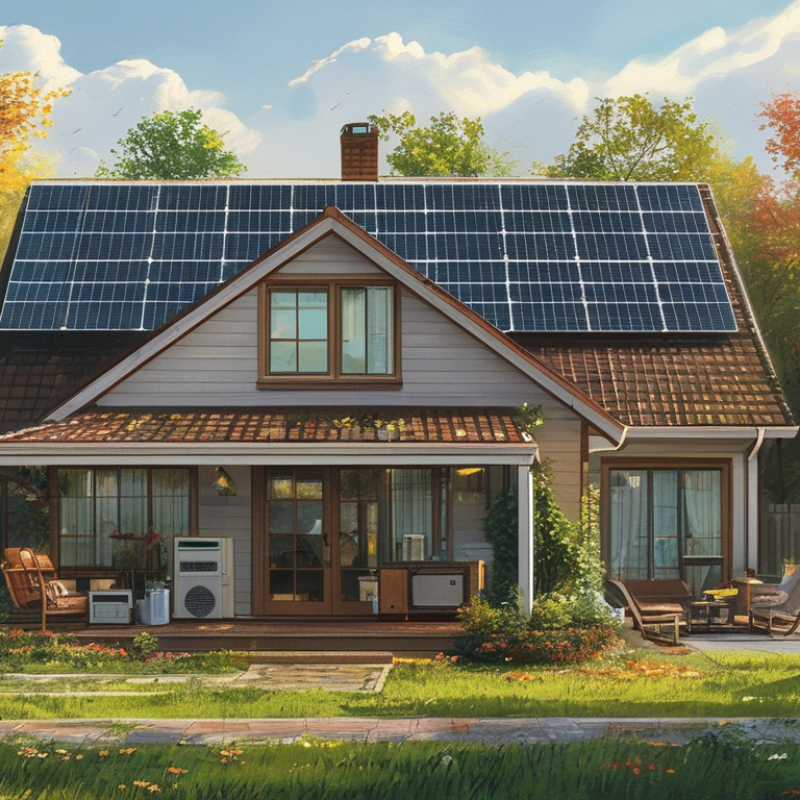
Choosing the right inverter for home use in 2026 hinges on understanding key inverter basics. An inverter converts DC power from batteries or solar panels into AC power for household devices. In today's energy landscape, the average homeowner needs an inverter capacity ranging between 3kW to 10kW, depending on consumption patterns. According to a recent report by the International Energy Agency, residential energy consumption is projected to increase by 20% over the next few years. This rise necessitates proper planning for inverter sizes.
The efficiency of inverters is crucial. Data shows that modern inverters can reach efficiencies greater than 95%. Nonetheless, homeowners often overlook peak power demands, which can cause unexpected outages. It's vital to account for devices like HVAC systems or high-powered appliances. Many consumers may ignore inverter ratings, leading to inadequate power supply. A basic understanding can significantly influence comfort and reliability in everyday life.
Homeowners should also consider future energy needs. As electric vehicles gain popularity, charging stations will require additional inverter capacity. Reports indicate that up to 40% of households may own EVs by 2026. However, only a fraction of these homeowners currently plan for this shift in energy use. This gap illustrates the importance of informed choices regarding inverter sizing and installation for homes.
When considering an inverter for home use in 2026, calculating your wattage requirements is crucial. The average American home uses around 877 kWh per month, translating to about 29 kWh daily. As home appliances evolve, so do their power demands. For instance, a standard refrigerator requires about 200-800 watts. Understanding how many devices you'll run simultaneously is essential for accurate estimation.
A practical approach is to list all devices you intend to power. Add their starting and running wattages to find the total. For example, a microwave may need 600-1200 watts to start but can run on only 500-800 watts. A typical laptop may need 50-100 watts. If you plan to run multiple devices, the collective wattage can quickly exceed a smaller inverter's limits. According to the U.S. Department of Energy, calculating peak versus running watts can help identify what you truly require.
Many people underestimate this aspect, leading to insufficient inverter size. An inverter should account for peak loads. A 2000-watt inverter might seem adequate, but if you run multiple high-wattage devices, it may not suffice. It's vital to invest time assessing your needs. Reliable tools and calculators are available online but understanding your unique household power profile is invaluable.
When choosing an inverter for home use, consider the type that best suits your lifestyle. There are several options available, each with unique benefits.
Pure sine wave inverters provide clean power, ideal for sensitive electronics and appliances. Modified sine wave inverters are more affordable but may not be compatible with all devices. If you have many electronics or appliances, investing in pure sine wave technology could save you money in the long run.
Tips: Assess your energy needs before making a decision. Calculate total wattage for your devices. This will help you choose the right size.
Battery-based inverters offer flexibility during power outages, working seamlessly when needed.
Grid-tied inverters help reduce electricity bills by converting solar power for home use. However, they may require professional installation.
Tips: Research installation costs. Sometimes, DIY solutions could be possible, but always prioritize safety. If unsure, hire a qualified technician.
In 2026, homeowners must consider several factors before choosing an inverter. A key trend is the shift towards energy efficiency. Many devices will require less power, but others, like electric vehicles, may demand more. Understanding these requirements is crucial. A well-sized inverter must support your home’s energy landscape without overloading.
Battery storage advances will influence inverter choice too. In 2026, smart batteries may enhance grid independence. They will not only store energy but operate optimally with inverters. This pairing can ensure reliability, especially during outage periods.
Tips: Assess all electronic devices and their energy needs. Keep tabs on appliance upgrades that could change usage. Also, factor in future energy trends in your area. This ensures your inverter choice aligns with upcoming technology, maximizing efficiency and performance.
Opt for advanced features like smart monitoring systems. They help identify usage patterns. This knowledge assists in sizing the inverter accurately. It’s about finding balance, not just picking the biggest option available.
When considering inverter installation at home, understanding the technical specifications is crucial. In 2026, the average American household will need an inverter capable of handling around 5-10 kilowatts, depending on energy consumption patterns. Factors like the number of appliances and their power ratings play a pivotal role in this calculation. An effective inverter can significantly enhance energy efficiency and manage peak loads.
**Tips:** Regular maintenance is vital for optimal performance. Inspect connections to prevent power losses. Cleaning the inverter's cooling vents helps avoid overheating. Inverters should be placed in a shaded area to ensure longevity and reliability.
Homeowners should be aware of potential drawbacks. Choosing the wrong size can lead to inefficiency. Under-sizing an inverter might overload it, while oversizing can lead to wasted capacity. According to recent industry reports, around 30% of installations suffer from incorrect sizing. This underlines the importance of professional advice during setup.
: Homeowners need to assess energy efficiency and future device power requirements.
Smart batteries will work best with inverters, enhancing grid independence and reliability.
Look for advanced features like smart monitoring systems to track energy usage patterns.
Regular maintenance prevents power losses and overheating, ensuring optimal inverter performance.
Households will likely need an inverter capable of handling 5-10 kilowatts.
Incorrect sizing can lead to inefficiency. Both under-sizing and oversizing have drawbacks.
Evaluate your appliance energy needs and consider professional advice for accurate sizing.
Future energy trends can influence the inverter’s performance and efficiency level.
Inverters should be placed in shaded areas to improve longevity and reliability.
A properly sized inverter enhances energy efficiency and effectively manages peak loads.
When considering the question "What size inverter do I need for home use in 2026?", it is essential to understand the basics of inverters and their applications in residential settings. Begin by calculating your household's wattage requirements, as this will help determine the power needs for appliances and devices you plan to run.
Evaluate different inverter types available for home use, such as pure sine wave and modified sine wave inverters, as they offer varying levels of efficiency and compatibility with equipment. Additionally, keep an eye on future trends in inverter technology, as advancements may provide better performance and efficiency by 2026. Lastly, ensure that you follow proper installation and maintenance guidelines to maximize the lifespan and effectiveness of your inverter system.

Sriram Electricals