When considering solar energy, choosing the right inverter is crucial. Experts highlight the importance of this decision. According to Dr. Emily Carter, a leading specialist in solar technology, "Selecting the correct inverter can make or break your solar system's performance." Her insights guide many homeowners.
Understanding "how to choose the right inverter for my solar system" goes beyond simple specifications. Different inverters can impact energy conversion, efficiency, and long-term savings. Solar systems vary, and so do their needs. It's essential to evaluate your system's size, intended use, and energy goals.
Many overlook the inverter's role in overall system performance. A poor choice can lead to reduced efficiency or increased maintenance. Balancing cost and quality is key. Researching reviews and warranties can provide a clearer picture of what to expect. The right inverter simplifies your solar experience, ultimately maximizing benefits.
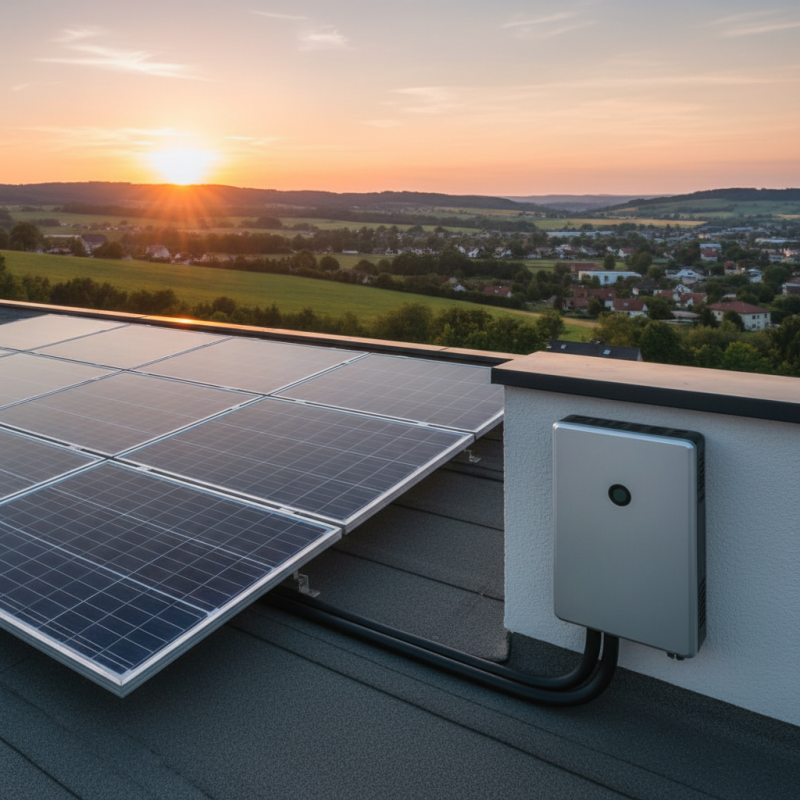
Choosing the right solar inverter requires a clear understanding of its types and applications. There are three main types:
string inverters,
microinverters, and
power optimizers. String inverters connect multiple solar panels in one string. They are cost-effective but may suffer from shading issues.
Microinverters work on individual panels, providing higher efficiency and performance in shaded areas.
Consider your roof's layout before deciding. If your panels will be in the shade at times, choose microinverters. This can enhance energy production significantly.
Power optimizers can also help in similar situations. They optimize each panel’s output and work well with string inverters.
Another tip is to match your inverter's capacity with your solar power system. Ensure that the inverter can handle the maximum output of your panels. Oversized inverters can waste energy, while undersized ones can underperform.
Research the longevity of different types; some inverters last longer than others. Understanding these factors will guide your decision-making and ensure a more reliable installation.
When selecting an inverter for solar systems, efficiency ratings and performance metrics are crucial. Efficiency ratings indicate how well an inverter converts solar energy into usable electricity. A higher efficiency rating means less energy loss. Look for inverters with efficiency ratings around 95% or higher. This small difference can lead to substantial energy savings over time.
Performance metrics also play a significant role in your decision. These include temperature coefficients, which indicate how performance varies with temperature changes. A lower temperature coefficient means better performance in warmer conditions. Reliability metrics like Mean Time Between Failures (MTBF) can show how often you might face operational issues. Consider these factors thoroughly. Many users overlook them, leading to unexpected costs.
Be mindful of warranty periods, too. A longer warranty can reflect confidence in the inverter's reliability. However, always assess your specific energy needs and installation environment. It's essential to ensure the inverter you choose aligns well with your solar panel system. Many people find themselves regretting choices made without comprehensive evaluations.
Choosing the right inverter for your solar power system involves assessing its required capacity. This is crucial for maximizing energy production and ensuring system efficiency. Start by evaluating your total energy needs. Look at your monthly bill. This gives you a clear idea of your consumption.
Consider the solar panel output. The inverter capacity should align with this output. A common mistake is to choose an inverter with too high or too low capacity. Too much can waste energy, while too little can lead to insufficient power. Aim for balance. It’s essential to consult a professional if you're unsure.
Tip: Check the efficiency rating of the inverter. A higher efficiency means less energy loss. Also, take into account any potential future upgrades to your system. Flexibility in capacity can save money down the line.
Another consideration is the inverter type. Different types serve various needs. String inverters are popular. However, microinverters can offer better performance in shaded areas. Your specific setup influences this choice. Reflect on these elements to find a solution that fits your solar power system perfectly.
Choosing the right inverter for your solar system involves understanding critical features, especially MPPT and the difference between grid-tied and off-grid systems. Maximum Power Point Tracking (MPPT) is essential for optimizing the energy harvested from solar panels. According to a report by the National Renewable Energy Laboratory, inverters with MPPT can increase energy capture by 20% or more compared to those without. This feature allows the inverter to adjust its performance based on varying sunlight conditions, significantly enhancing efficiency.
Grid-tied systems connect to the utility grid, allowing energy exchange. These systems are typically more straightforward and cost-effective. On the other hand, off-grid systems stand alone, offering independence from the grid. However, they require larger battery storage, which can complicate installation and increase costs. Research indicates that off-grid systems can be 30-50% more expensive due to battery investment.
When choosing an inverter, understand your energy needs. Evaluate whether you plan to connect to the grid or go off-grid. Also, assess the inverter's specifications carefully. Not all inverters handle varying loads well. Some may need adjustments based on peak usage times. Consider future energy expansions too. You might need to upgrade your inverter if you expand your solar capacity. Remember, every choice impacts long-term performance and savings.
When choosing an inverter for solar systems, warranty and support services are crucial. Many manufacturers offer different warranty durations, which can indicate their confidence in the product. A longer warranty often means better durability. Some provide extended support, which can be essential for troubleshooting. This support can vary greatly between manufacturers.
Consider the type of support available. Some companies provide 24/7 assistance, while others might only offer limited hours. Quick response times are essential for resolving issues that may arise. Research user reviews to gauge actual support experiences. Many customers highlight the importance of prompt service.
Don’t overlook the terms of the warranty. Some users find the fine print unclear, leading to frustrations later.
It’s essential to understand what is covered and for how long. Certain conditions may limit coverage.
Thorough research on warranty details can save you from future headaches. An informed choice is vital for long-term satisfaction with your solar inverter.
: Assess your total energy needs by reviewing your monthly bill. This gives a clear idea of consumption.
It maximizes energy production and ensures system efficiency. Balance is crucial.
An overly high capacity wastes energy. A low capacity can lead to insufficient power.
Yes, if you're unsure about your choices, professional guidance can help you make the right decision.
Higher efficiency reduces energy loss. It's essential to check the efficiency rating of your inverter.
Look for warranty duration and coverage details. A longer warranty often indicates better product durability.
Check if they offer 24/7 assistance or limited hours. Research user reviews for real experiences.
Some consumers select inverters without considering their energy needs. Others ignore future upgrade possibilities.
Confusing fine print can lead to unexpected frustrations. Ensure you understand what is covered under warranty.
Yes, for example, microinverters can perform better in shaded areas compared to string inverters.
Choosing the right inverter for a solar system is crucial for optimizing energy production and ensuring system reliability. To begin with, one must understand the different types of solar inverters available, such as string inverters, microinverters, and power optimizers, each serving specific applications. Evaluating inverter efficiency ratings and performance metrics is essential to ensure maximum energy conversion. Additionally, it's important to assess the required inverter capacity according to your solar power system's output.
When considering how to choose the right inverter for my solar system, one should also look into key features like Maximum Power Point Tracking (MPPT), and the differences between grid-tied and off-grid systems. Finally, researching the warranty and support services offered by inverter manufacturers can provide peace of mind and protection for your investment, ensuring that you make a knowledgeable choice.

Sriram Electricals