When considering solar energy systems, many people ask, "What is the difference between on grid and off grid inverter?" This question is essential for anyone looking to harness solar power effectively. On-grid inverters connect directly to the electricity grid. They enable users to sell excess power back to the grid. On the other hand, off-grid inverters operate independently. They store energy in batteries, providing power even during outages.
The choice between the two systems is not always clear-cut. On-grid systems can be cost-effective, especially with favorable net metering policies. However, they rely on the grid. This may not suit areas with frequent power outages. Off-grid systems offer greater independence but can be expensive due to battery costs. Maintenance can also be more demanding.
Understanding these differences can guide your decision. Each system has unique benefits and drawbacks. You may need a mix of both for optimal results. Consider your energy needs carefully before making a choice.
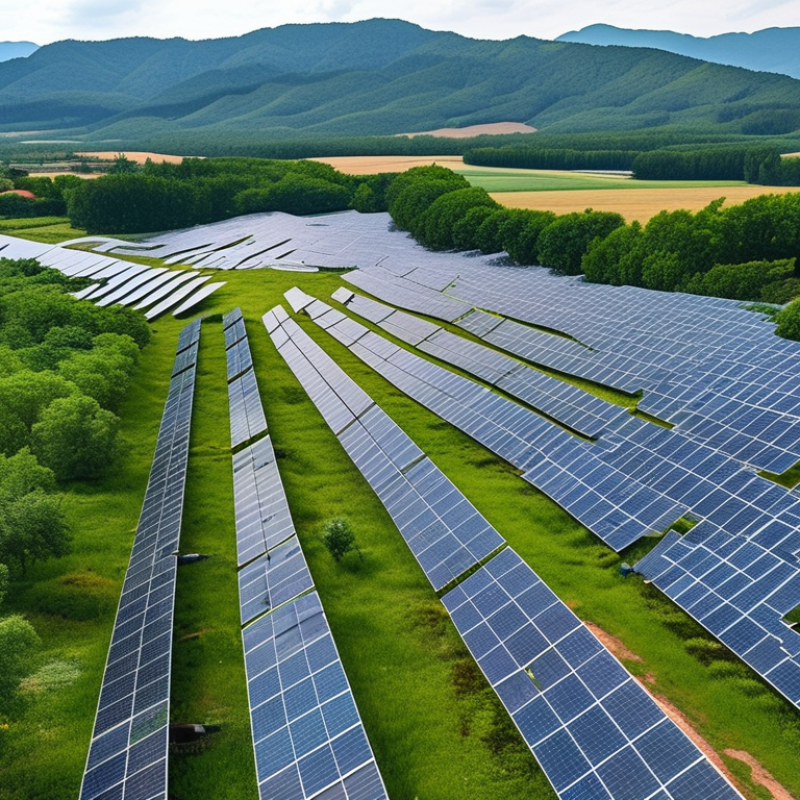
Definition and Functionality of On Grid and Off Grid Inverters
On-grid inverters are designed to connect solar power systems directly to the utility grid. They convert direct current (DC) from solar panels into alternating current (AC) for home or business use. According to the National Renewable Energy Laboratory, around 80% of residential solar systems in the U.S. utilize on-grid inverters. They allow for net metering, where excess energy can be fed back to the grid. This setup benefits users during emergencies since it leverages the grid for energy supply without requiring battery backup.
Off-grid inverters, on the other hand, serve a different function. They are essential for systems that operate independently of the utility grid. They convert solar energy for use in remote locations. According to a report by the International Renewable Energy Agency, off-grid solar capacity has increased significantly, particularly in developing regions. These systems usually require batteries for energy storage, making them more complex but essential for energy autonomy.
While the on-grid system offers convenience, off-grid systems promote self-sufficiency. However, off-grid solutions often involve higher initial costs and ongoing maintenance. Choosing between them depends on specific energy needs and environmental circumstances. Both systems have unique pros and cons that merit careful consideration for those venturing into solar energy.
Key Differences in Power Supply and Usage Scenarios
Understanding the differences between on-grid and off-grid inverters is essential for choosing the right solar power system. On-grid inverters connect to the electrical grid, allowing users to sell excess energy back to utility companies. This setup works best in urban areas where connection to the grid is stable. Users can benefit from net metering, which provides financial advantages.
In contrast, off-grid inverters operate independently of the grid. They are ideal for remote areas without reliable electricity access. Off-grid systems require battery storage to ensure power availability during night or cloudy days. This leads to higher initial costs but great autonomy. However, managing battery life and energy consumption can be challenging. Users must be mindful of fluctuations in power supply, which can lead to downtime if energy use isn't carefully planned.
Both systems have unique advantages and limitations. On-grid systems offer affordability and ease of installation. Yet, they depend on the grid's reliability. Off-grid systems provide independence but require diligent maintenance. Reflecting on these aspects can lead to better decision-making in energy solutions.
Comparison of Cost-Effectiveness and Maintenance Requirements
When comparing on-grid and off-grid inverters, cost-effectiveness and maintenance requirements are significant factors. On-grid inverters typically have lower upfront costs. Reports indicate that they can be 20-30% cheaper than off-grid models. This is partly because they rely on the existing power grid, reducing the need for complex battery storage systems. Homeowners can save on installation and equipment.
In contrast, off-grid inverters require more investment in batteries and additional components. These systems provide autonomy from the grid but can lead to higher costs. According to energy studies, maintenance for off-grid systems can exceed that of on-grid systems by 15-20%. Batteries often need replacement every 5-10 years, increasing long-term expenses. If you don't plan adequately, you might face unexpected costs.
The reliability of both systems hinges on maintenance routines. On-grid setups benefit from fewer mechanical parts. Thus, they often require less hands-on care. Off-grid systems need regular checks to ensure battery health. This complexity can be burdensome for homeowners. A lack of proper maintenance could lead to reduced performance and higher energy bills. Reliable data and maintenance practices are crucial for sustaining efficiency.
Understanding Battery Storage Integration in Off Grid Systems
Off-grid systems rely heavily on battery storage for function. In these setups, batteries serve as the lifeblood, ensuring a constant power supply. According to a recent report by the International Energy Agency, nearly 40% of off-grid solar installations now incorporate energy storage solutions. This shift highlights the importance of efficient battery integration in these systems.
Battery types can vary significantly, with lithium-ion being the preferred choice for most off-grid installations. These batteries offer high energy density and longer lifespans compared to traditional lead-acid batteries. However, they come with higher initial costs, which can be a barrier for some buyers. A 2022 study indicated that the price of lithium-ion batteries has dropped by 89% since 2010, yet affordability remains a consideration for many users.
Storage management is crucial in off-grid systems. Effective charge and discharge cycles can impact battery life significantly. Mismanagement can lead to early degradation or capacity loss. Users must consider local weather patterns as well. Weather variability can influence energy generation and storage needs, adding to the complexity of off-grid setups.
Evaluating Efficiency and Performance Metrics of Both Inverters
When comparing on-grid and off-grid inverters, efficiency is a crucial factor. On-grid inverters connect to the utility grid, allowing users to sell excess energy back. Their performance relies heavily on grid stability. During power outages, these systems might not function. This can be a significant drawback for those seeking reliable energy, especially in areas prone to outages.
Off-grid inverters, on the other hand, are designed for independence from utility systems. They store energy generated from solar panels, ensuring access during power failures. However, the initial investment is often higher for these systems. Performance varies based on battery capacity and energy demands. Users need to consider their lifestyle and energy consumption carefully.
Evaluating performance metrics can highlight efficiency differences. On-grid systems may have higher efficiency rates under ideal conditions. However, off-grid solutions offer resilience that can't be ignored. Both systems have trade-offs, making it essential for consumers to understand their unique needs in energy management. Choosing the right inverter requires thoughtful consideration and sometimes, deeper research into personal energy habits.
The Best 5 Differences Between On Grid and Off Grid Inverter
| Feature |
On Grid Inverter |
Off Grid Inverter |
| Connection to Grid |
Yes, connected to the utility grid |
No, operates independently |
| Battery Storage |
Not required |
Required for energy storage |
| Cost |
Generally lower upfront cost |
Higher upfront cost due to batteries |
| Efficiency |
High efficiency during daylight |
Efficiency varies with battery cycles |
| Backup Power |
Depends on grid availability |
Provides power regardless of grid |
Conclusion
When discussing renewable energy systems, many wonder, "What is the difference between on grid and off grid inverter?" On grid inverters are designed to work with the electrical grid, allowing excess energy generated to be fed back into the grid, making them ideal for urban settings where grid access is available. In contrast, off grid inverters function independently of the utility grid, often requiring additional battery storage to manage energy supply, making them suitable for remote locations.
Key differences also lie in power supply scenarios and cost-effectiveness. While on grid systems tend to have lower upfront costs and maintenance requirements, off grid systems may present higher initial expenses due to battery integration. Additionally, the efficiency and performance metrics of both inverter types vary, depending on their specific applications and the energy needs of the users, highlighting the importance of understanding these differences when making energy choices.

 Sriram Electricals