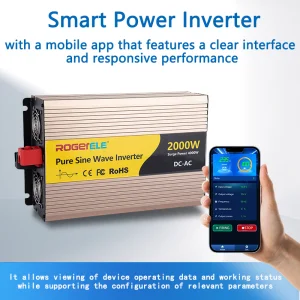
Basic Information
Nature of Source Flow
Active Inverter
Certification
SAA, CE, ROHS, ISO9001, CCC
Circuit Topologies
Push-pull Type
Nature of Wave String
Sine Wave Inverter
Operation Efficiency
≥95% (Load:100%)
Application
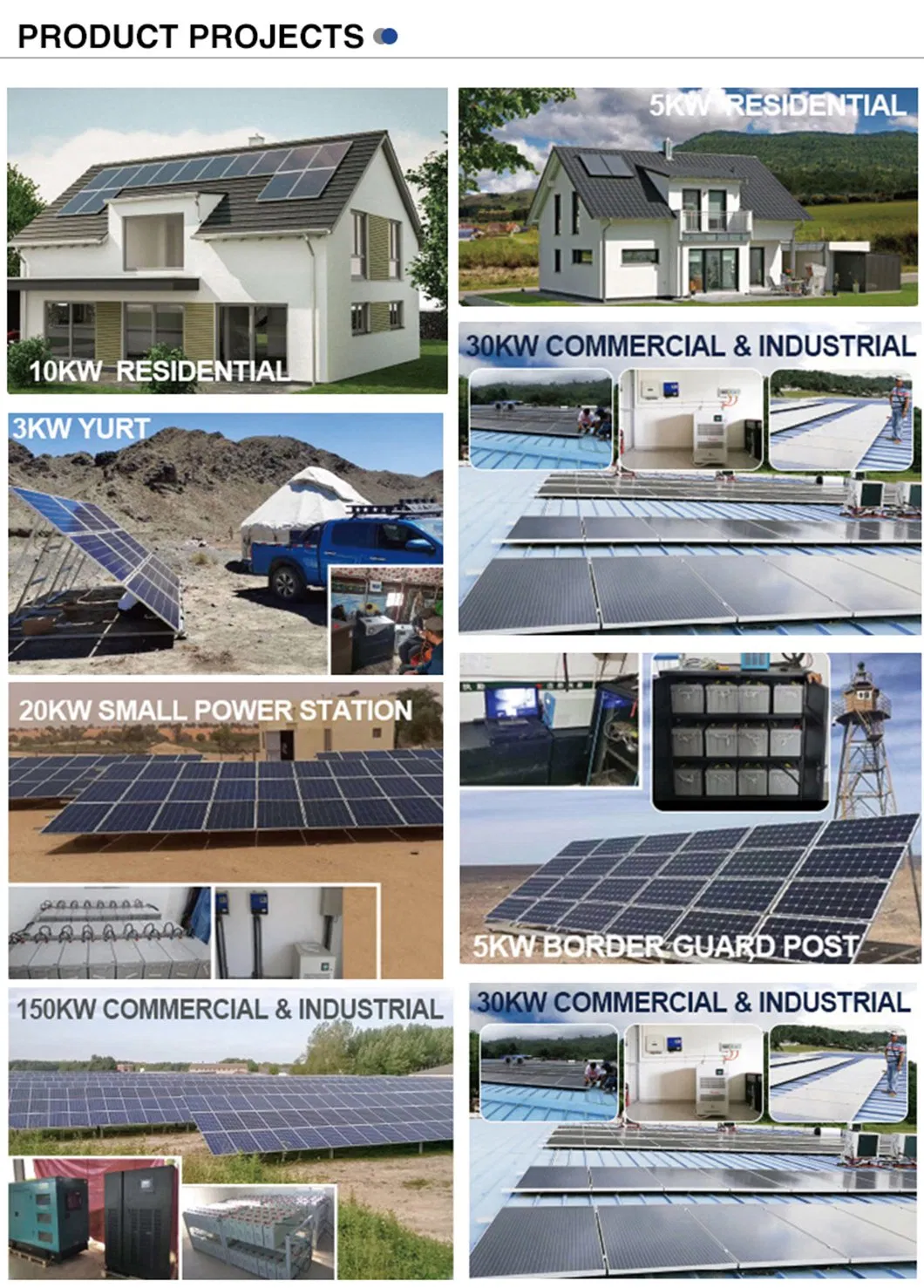
Home, Commercial, Industrial
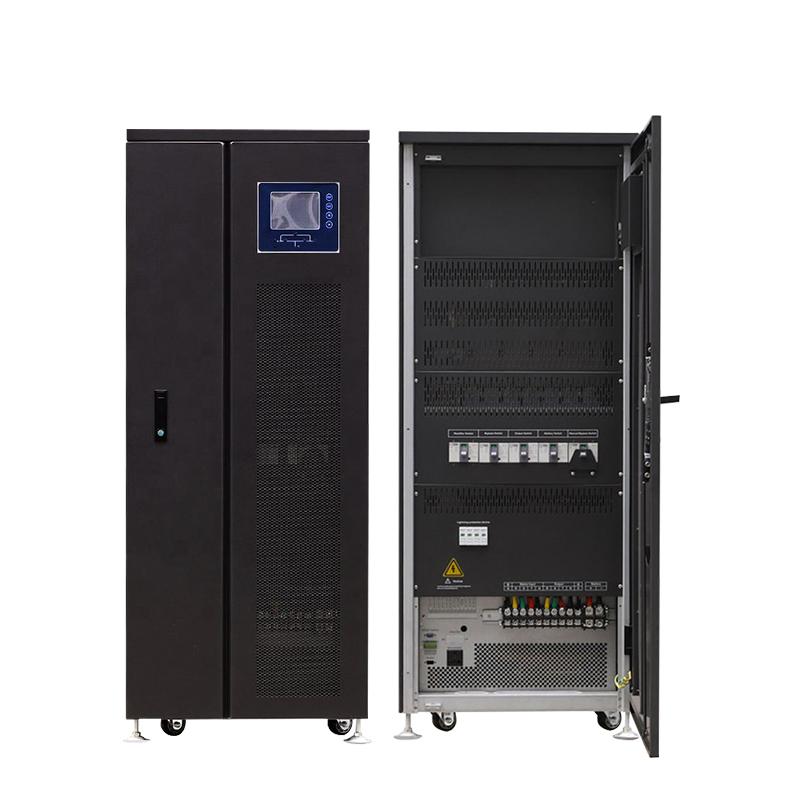
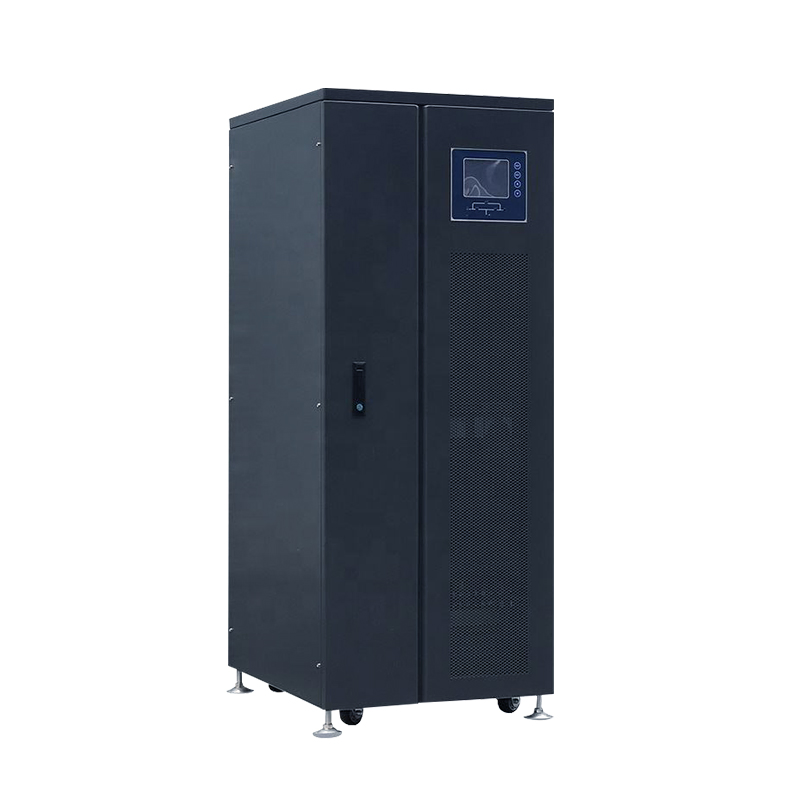
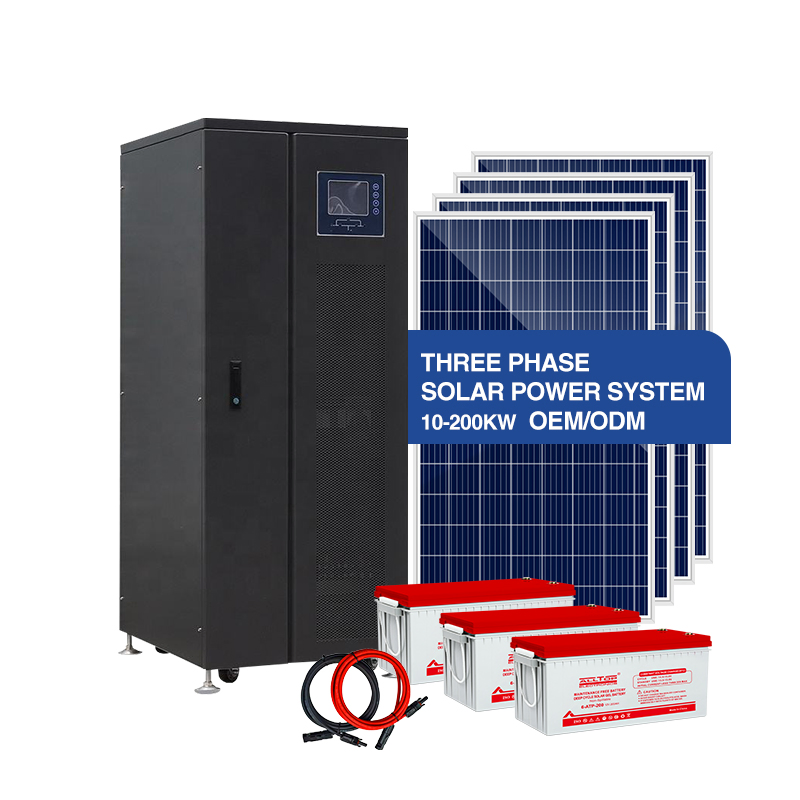
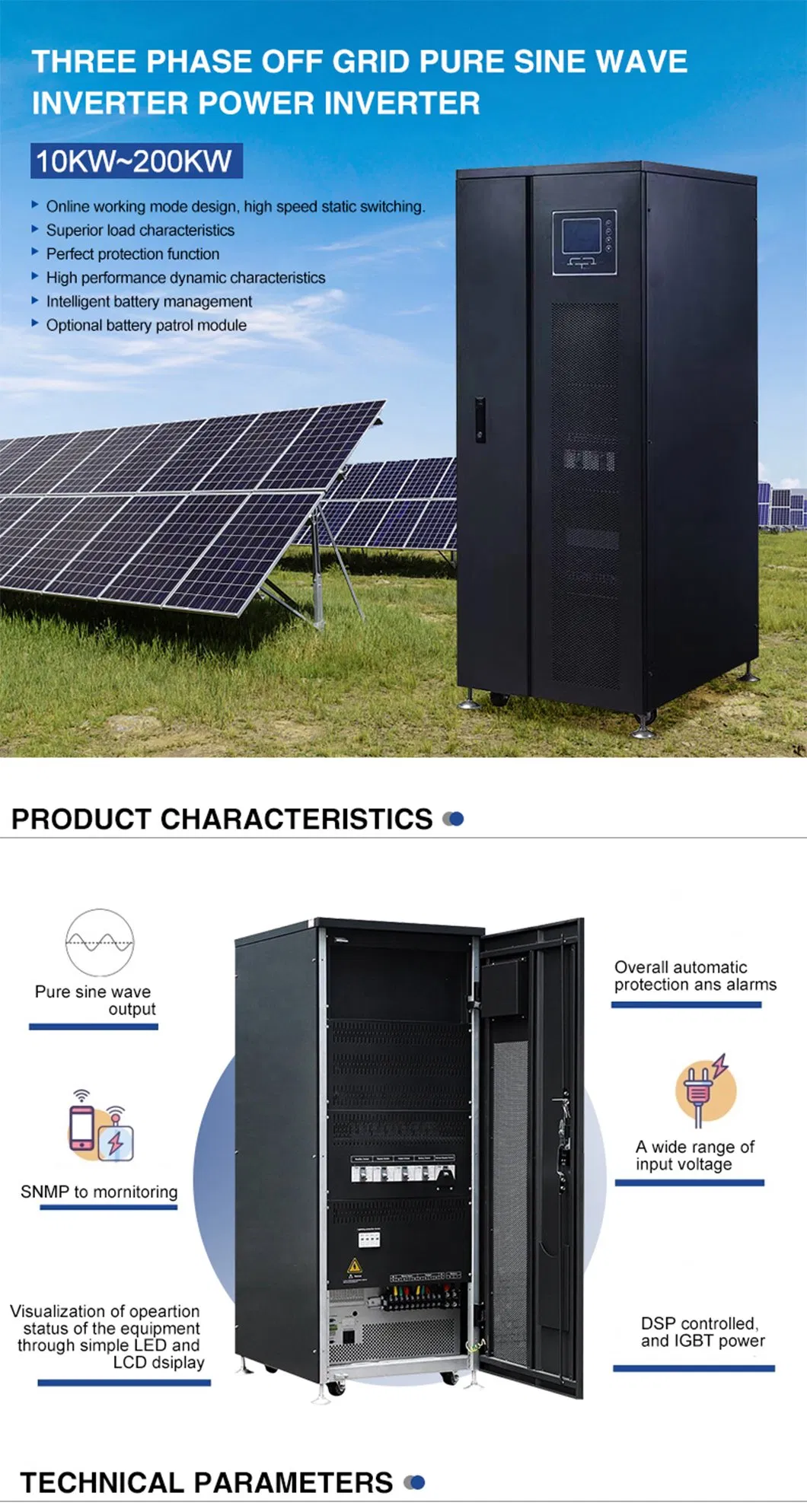
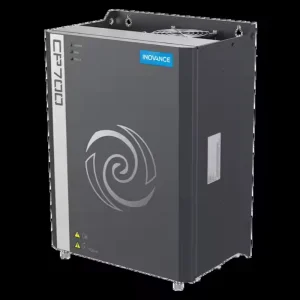
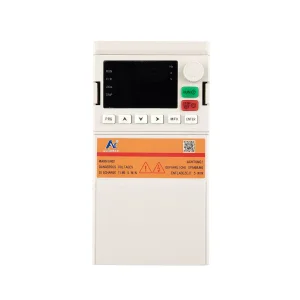
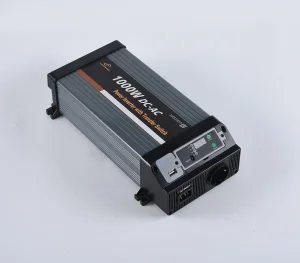
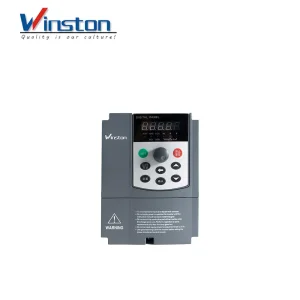
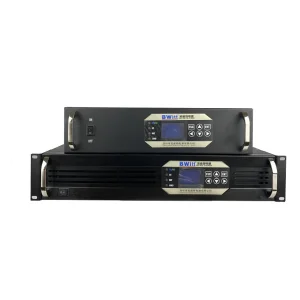
● Three Phase Off Grid Pure Sine Wave Inverter Power Inverter
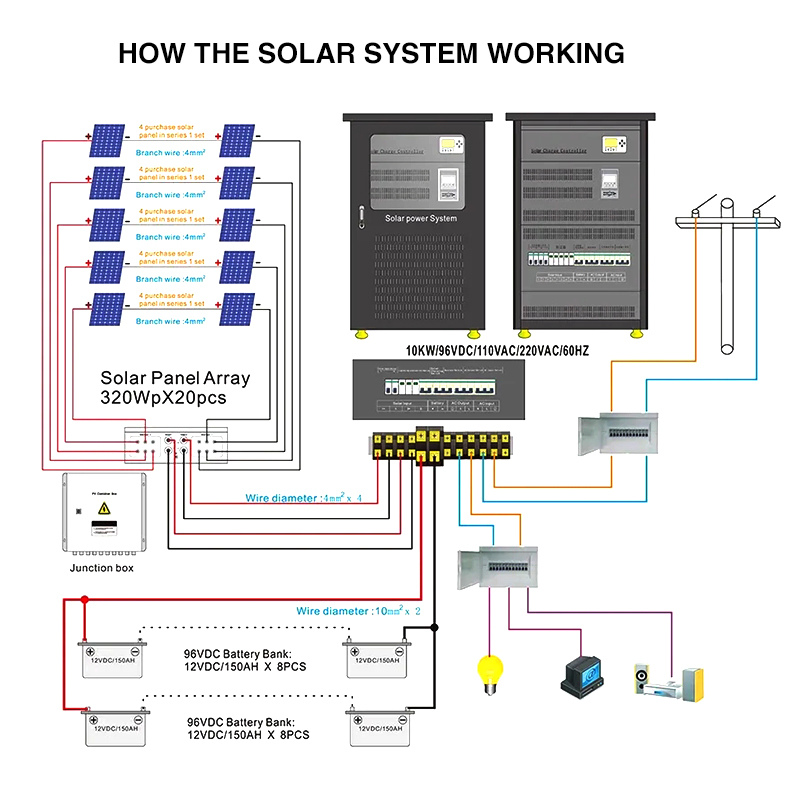
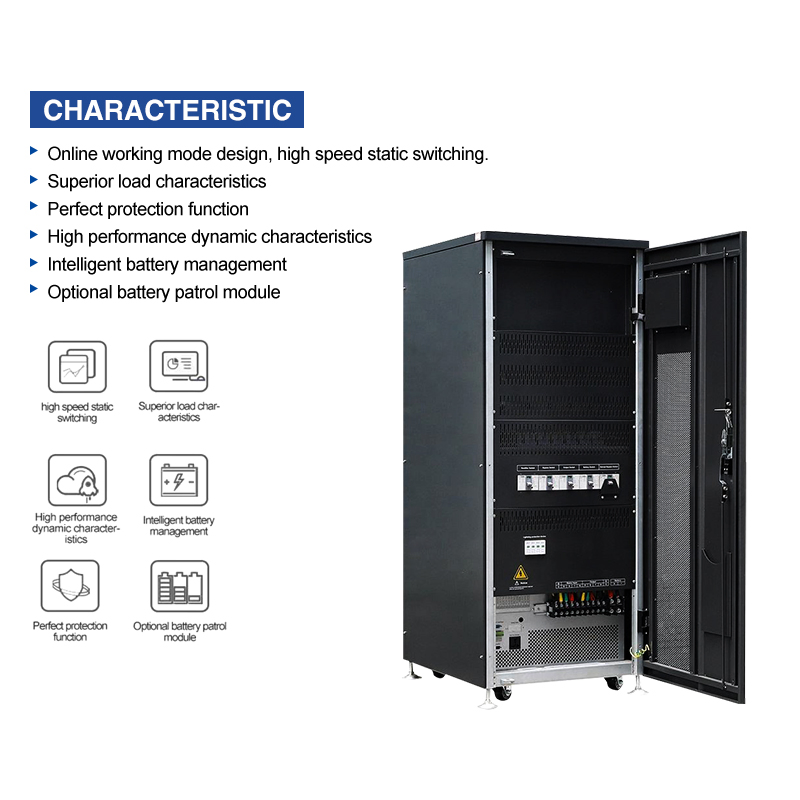
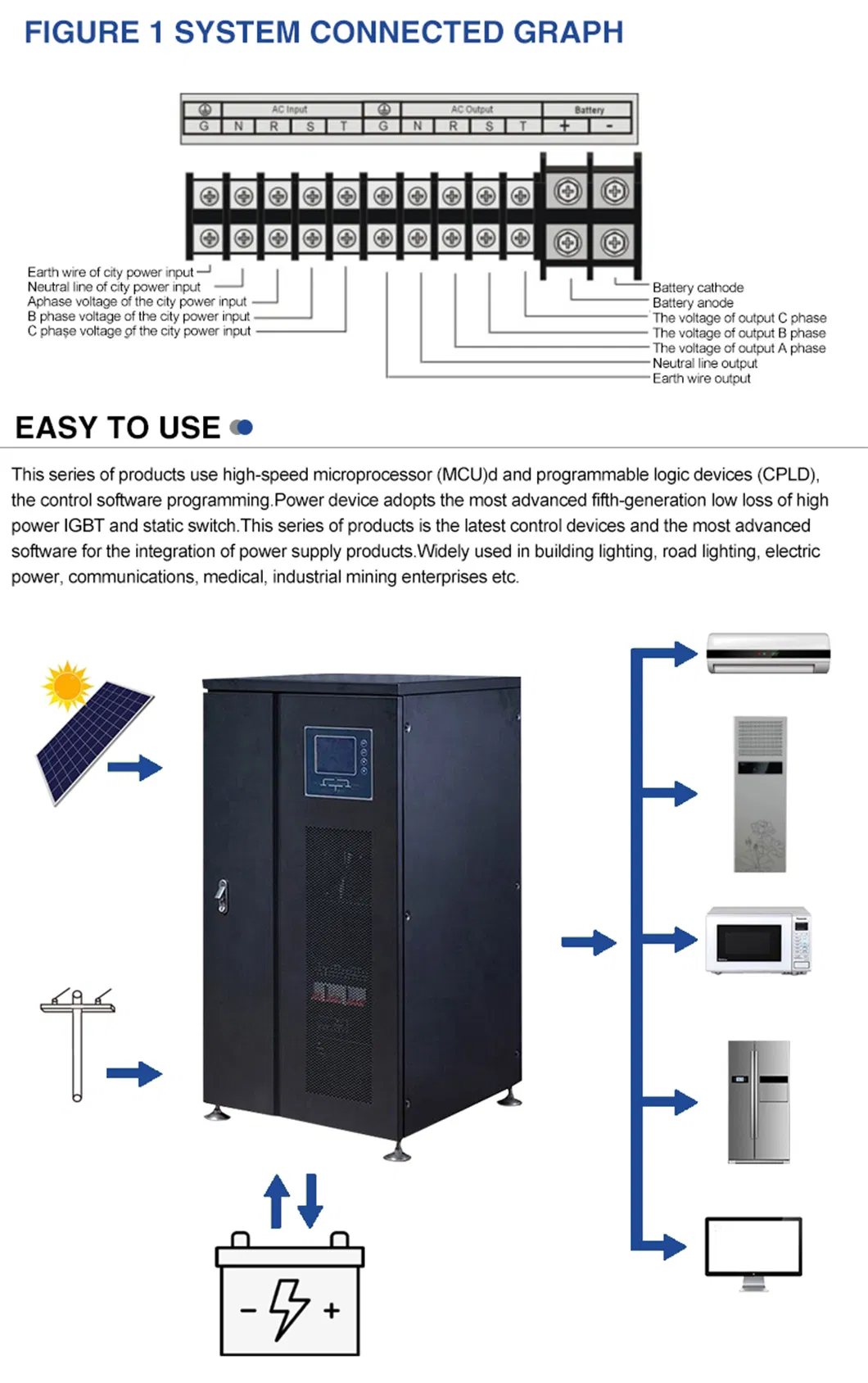
Advanced operation mode, Frequency tracking, phase-locking voltage stabilization, noise filtering and prevention of impact by fluctuation of the power grid realized in output of the inverter. Full digital vector control technology based on real-time processing by DSP, MCU and DDC.
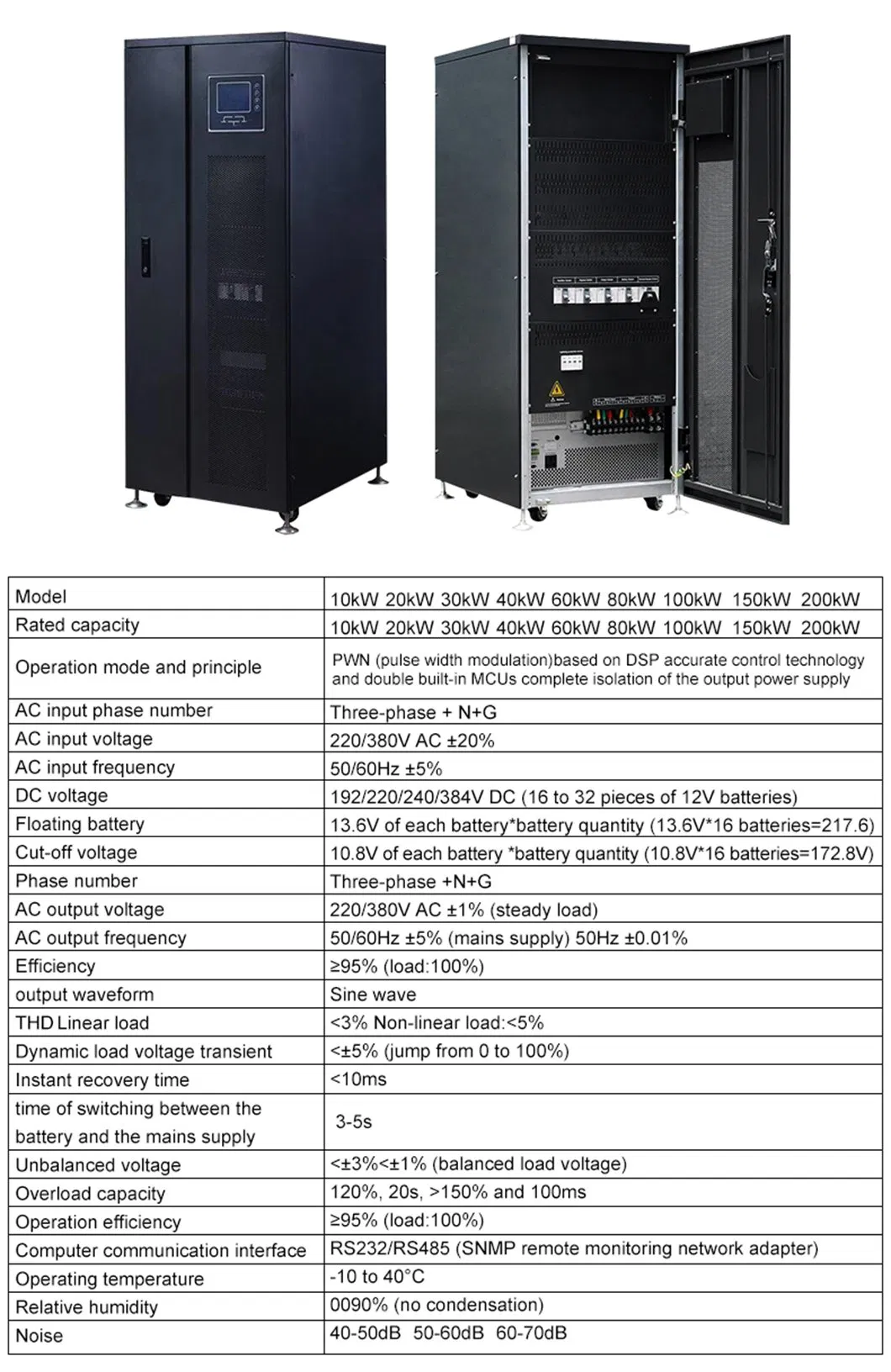
Technical Specifications
| Model Capacity |
10kW-40kW |
60kW-80kW |
100kW |
150kW |
200kW |
| Operation Principle |
PWM (pulse width modulation) based on DSP accurate control technology |
| AC Input Voltage |
220/380V AC ±20% |
| DC Voltage Range |
192/220/240/384V DC (16 to 32 pieces of 12V batteries) |
| AC Output Voltage |
220/380V AC ±1% (steady load) |
| Efficiency |
≥95% (load:100%) |
| THD |
Linear load: <3% | Non-linear load: <5% |
| Switching Time |
3-5s (between battery and mains) |
| Noise Level |
40-50dB |
50-60dB |
60-70dB |
Product Parameters & Details
Certifications & Standards
Frequently Asked Questions
Are your inverters pure sine wave output?
Yes, all of our inverters provide true pure sine wave output, ensuring the highest quality power for your equipment.
What is the difference between pure sine wave and modified sine wave inverters?
Pure sine wave inverters are as good as the public power grid (or better) with long lifespan and no harmonic pollution, protecting your appliances. Modified sine wave inverters can negatively impact inductive loads like refrigerators and air conditioners.
What kind of appliances can your inverters load?
Our inverters can be used for household, office, and agricultural appliances, including inductive loads such as water pumps, air conditioners, and refrigerators.
How do I choose the right inverter for my needs?
Simply share your power demands and appliance types with us, and our technical team will recommend the most suitable inverter model for your system.
What is the difference between 12V, 24V, and 48V inverters?
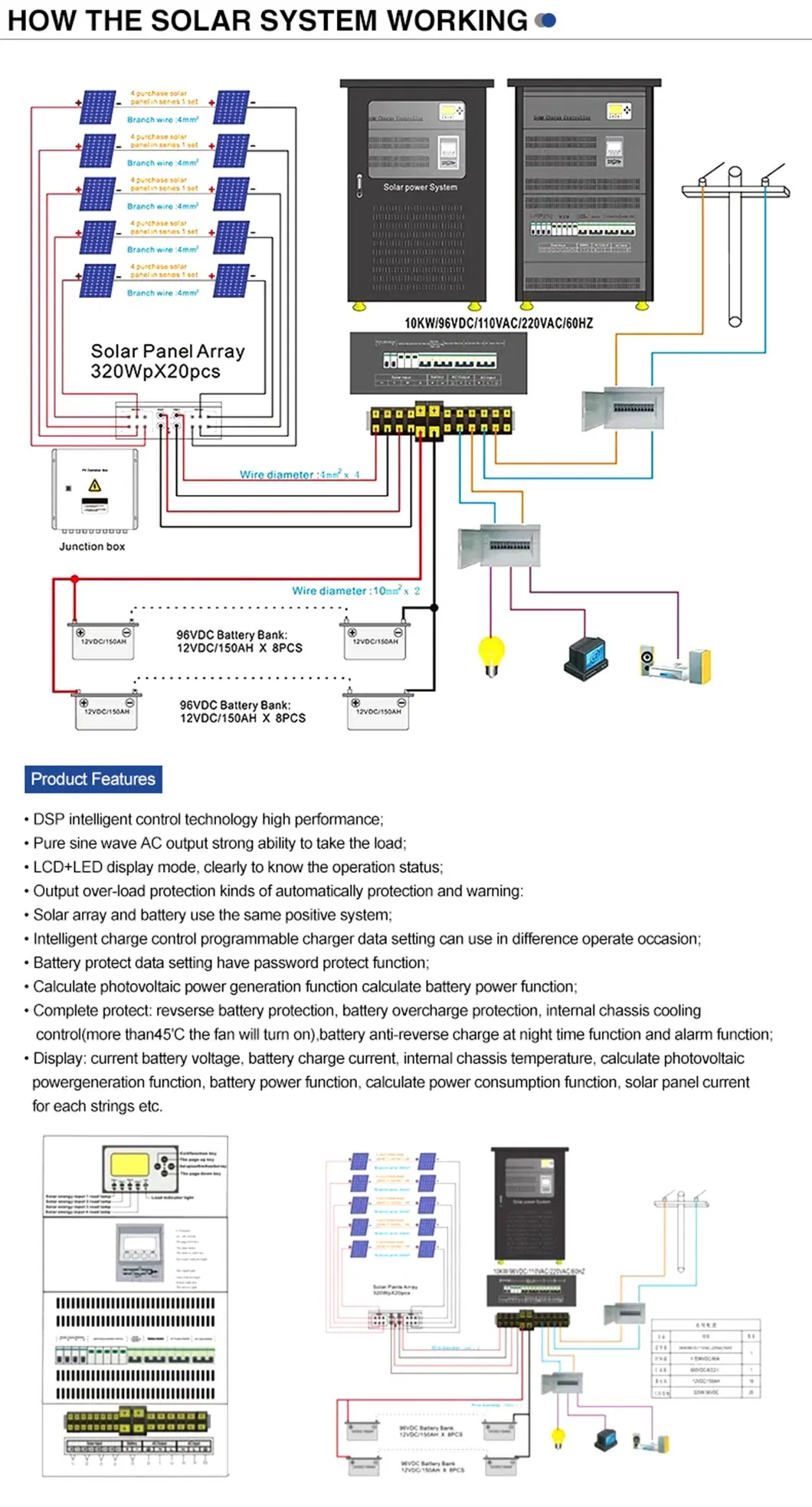
This refers to the input voltage from the battery bank. Higher voltages mean lower current, allowing for smaller wiring between the solar array and battery bank.
What happens if a product is faulty?
If any product is faulty, please provide a picture or video. We will analyze the issue and provide necessary spare parts, such as PCB boards, for after-sales service.
 Sriram Electricals