Are High Frequency Inverters Better Than Low Frequency Inverters?

Time:2026-06-01 Author:Ethan
0%

In the world of power electronics, the debate surrounding inverter types is ongoing. Many ask, "Are high frequency inverters better than low frequency?" This question invites a closer look at both technologies. High frequency inverters operate at elevated switching rates, offering increased efficiency. They are often lighter and more compact than their low frequency counterparts. This makes them attractive for various portable applications.

However, low frequency inverters have their advantages, too. They generally provide better overload capacity and heat dissipation. Users may find them more reliable in harsh environments. The choice between them often depends on specific needs and applications. Consider factors like size, weight, and cost.

Evaluating the pros and cons can be challenging. Users must weigh efficiency against reliability. There is no one-size-fits-all solution. The right inverter depends on the context of use. Each type has its strengths that need careful consideration. Thus, the question remains: Are high frequency inverters better than low frequency? A comprehensive understanding is essential for making informed decisions.
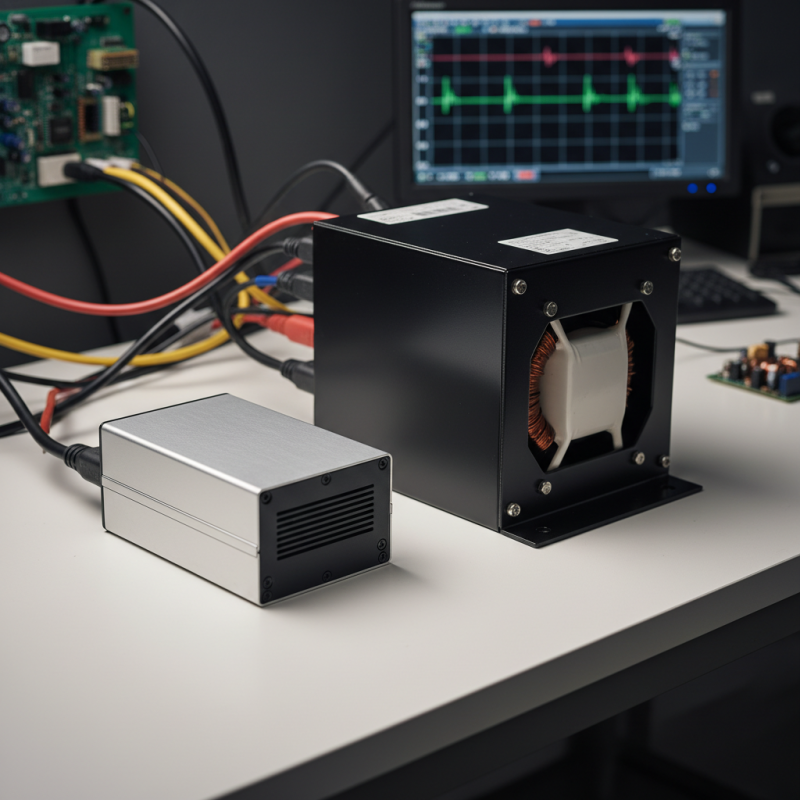
Are High Frequency Inverters Better Than Low Frequency Inverters?

Comparison of High Frequency and Low Frequency Inverters

When comparing high frequency inverters with low frequency inverters, several factors come into play. High frequency inverters operate at above 20 kHz. This allows for lighter and smaller designs, making them suitable for portable applications. Conversely, low frequency inverters typically work below 1 kHz. They are often heavier and bulkier, posing challenges in mobility. According to a 2022 industry report, high frequency models can be up to 50% more efficient than their low frequency counterparts, particularly in continuous load scenarios.


The choice between these two types hinges on specific use cases. High frequency inverters deliver quick response times and improved waveform quality. This translates into cleaner power for sensitive electronics. However, their complexity may raise concerns regarding reliability. In contrast, low frequency inverters tend to be more robust. They exhibit better performance under harsh conditions, often favored in industrial applications. Data suggests that low frequency inverters can outperform high frequency ones in rugged settings, achieving durability under extreme temperatures.


Understanding the strengths and weaknesses of both types is essential for making informed decisions. While high frequency inverters offer advantages in efficiency and size, low frequency inverters might provide the reliability needed in challenging environments. Users should assess their specific needs before making a choice. Industry experts emphasize the importance of aligning inverter characteristics with application requirements for optimal performance.

Advantages of High Frequency Inverters

High frequency inverters are gaining popularity due to their numerous advantages. One key benefit is their efficiency. According to a report by the International Energy Agency, high frequency inverters can operate at efficiency levels up to 95%. This means less energy loss and lower operational costs over time. For businesses relying on energy-intensive machinery, this can significantly impact the bottom line.

In addition to efficiency, high frequency inverters are typically smaller and lighter than their low frequency counterparts. This design allows for easier installation and less space requirement in industrial settings. A study from the Renewable Energy Research Institute indicates that the compact nature of high frequency inverters can reduce installation costs by approximately 20%. The quick response times also enhance performance in dynamic environments.

However, there can be challenges. High frequency inverters may generate higher electromagnetic interference (EMI). This can affect sensitive equipment nearby. Users need to consider protective measures, which could add to the overall costs. Understanding these details is essential for making an informed decision. Balancing the benefits against potential drawbacks requires careful evaluation.

Comparison of High Frequency Inverters and Low Frequency Inverters

Limitations of Low Frequency Inverters

When comparing high frequency and low frequency inverters, it's essential to highlight the limitations of low frequency models. Low frequency inverters tend to be bulkier and heavier, making installation more difficult. These units often lack flexibility in applications, limiting their use in various settings. Additionally, they typically produce less efficient energy conversion, leading to higher energy costs in the long run.

Tips: Always consider the energy needs of your project. Assess whether a low frequency inverter can meet those requirements effectively. If you're tight on space, high frequency models might be worth considering.

Another drawback of low frequency inverters is their noise level. They can emit more sound during operation, which may be disruptive in residential areas. Furthermore, the response time of these inverters can be slow, leading to potential issues in systems requiring rapid adjustments. This sluggishness in performance can be frustrating for users.

Tips: Evaluate the noise tolerance of your environment. Opt for models that provide quieter operations, especially in noise-sensitive areas.

Applications Best Suited for Each Type of Inverter

High frequency inverters operate efficiently at a higher switching frequency, making them ideal for applications where space and weight are crucial. They are commonly used in solar energy systems and small electric vehicles. Their compact size allows for lighter and more efficient designs. According to a report by Research and Markets, the global solar inverter market is expected to grow significantly, driven by the increasing demand for renewable energy solutions. This shift underlines the importance of high frequency inverters in modern energy applications.

Low frequency inverters, on the other hand, excel in scenarios requiring high power output and robustness. They are often found in industrial settings, powering large motors and heavy machinery. Their lower switching frequency allows them to handle heavier loads without overheating. Industry insights indicate that low frequency inverters are preferable for applications demanding high reliability and durability. This highlights a trade-off; while high frequency inverters are lightweight, they may lack the ruggedness needed in heavy industrial operations.

Despite the advantages of each type, users must evaluate their specific needs carefully. High frequency inverters may experience issues with electromagnetic interference, affecting sensitive equipment. Low frequency inverters tend to be bulkier, which can be a drawback in space-constrained applications. Adapting to user requirements remains crucial in selecting the right inverter type.

Efficiency and Cost Considerations in Inverter Selection

When selecting an inverter, efficiency and cost play a crucial role. High-frequency inverters are often more efficient than their low-frequency counterparts. They can convert power faster and reduce energy loss. This feature becomes essential for applications requiring quick energy transfer, such as solar power systems.

However, high-frequency inverters may also come with a higher upfront cost. Their advanced technology often results in a steeper price tag. Not all users will find the extra efficiency justifies this cost. It's important to assess your specific needs and usage. For some, low-frequency inverters might suffice. They are generally less expensive, offering a reliable, though less efficient, energy solution.

**Tips:** Consider your energy needs before making a decision. Analyze your budget realistically. Sometimes, opting for a less efficient inverter can save you initial costs and still meet your requirements. Evaluate the long-term savings against the initial investment to make a well-informed choice.

Are High Frequency Inverters Better Than Low Frequency Inverters? - Efficiency and Cost Considerations in Inverter Selection

Inverter Type Efficiency (%) Typical Power Range (kW) Cost ($/kW) Application
High Frequency Inverter 90-95 1-100 200-300 Residential, Small Commercial
Low Frequency Inverter 80-90 3-500 150-250 Industrial, Heavy Load

FAQS

: What are the main benefits of high frequency inverters?

: High frequency inverters offer efficiency levels up to 95%, reducing energy loss and operational costs.

Why are high frequency inverters smaller and lighter?

Their compact design allows for easier installation and less space requirement in industrial settings.

How do high frequency inverters affect installation costs?

Their compact nature can reduce installation costs by about 20%, according to research studies.

What is a potential drawback of using high frequency inverters?

They may generate higher electromagnetic interference (EMI), which could affect sensitive nearby equipment.

Do high frequency inverters have a higher upfront cost?

Yes, they often come with a steeper price tag due to advanced technology and efficiency.

Should I always choose high frequency inverters?

Not necessarily; low-frequency inverters can be sufficient for some users and are generally less expensive.

How can I evaluate which inverter type to choose?

Assess your specific energy needs and budget realistically before making a decision.

What should I consider regarding long-term savings?

Evaluate the long-term savings against initial investment to make a well-informed choice.

Are there protective measures needed for high frequency inverters?

Yes, users should consider protective measures against EMI, which could increase costs.

How does inverter efficiency relate to energy transfer speed?

Higher efficiency allows for quicker energy transfer, vital for applications like solar power systems.

Conclusion

In the discussion about whether high frequency inverters are better than low frequency inverters, several factors need to be considered. High frequency inverters typically offer advantages such as smaller size, lighter weight, and improved efficiency, making them suitable for applications like portable devices and renewable energy systems. Conversely, low frequency inverters may be more suitable for heavy-duty applications due to their robustness and ability to handle high power loads, although they can be bulkier and less efficient.

Ultimately, the choice between high frequency and low frequency inverters depends on specific application needs and budget considerations. High frequency inverters excel in scenarios where space and weight are critical, while low frequency inverters are advantageous in high-power situations. Understanding the strengths and limitations of each type is essential in making an informed decision regarding inverter selection. Are high frequency inverters better than low frequency? It depends on the context of their application.

Ethan

Ethan

Ethan is a seasoned marketing professional with a deep expertise in our company's innovative product line. With a passion for sharing knowledge and insights, he takes the lead in regularly updating our corporate blog, where he explores industry trends, product features, and effective marketing......