How to Fix Common Inverter Problems and Errors Easily?

Time:2026-05-22 Author:Sienna
0%

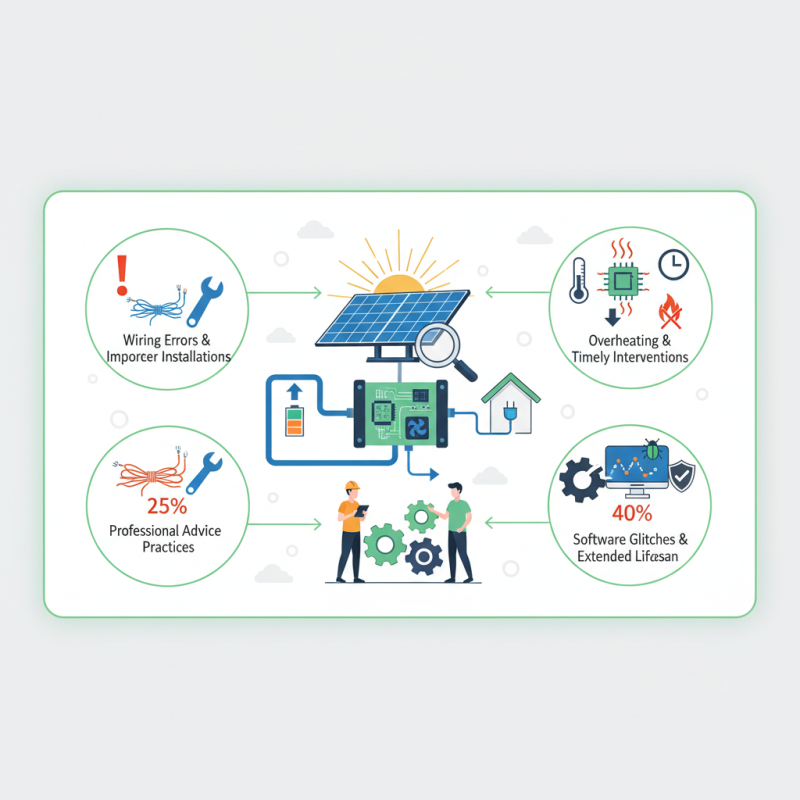
Inverters play a crucial role in solar energy systems, yet they are not immune to problems and errors. According to industry reports, around 25% of inverter issues stem from wiring errors and improper installations. Understanding how to fix common inverter problems and errors can significantly enhance system reliability. Many users struggle with faults that could potentially lead to decreased energy efficiency and increased maintenance costs.

Electrical faults, overheating, and software glitches are common issues faced by inverter owners. Research indicates that timely interventions can extend inverter lifespans by up to 40%. However, many technicians overlook simple troubleshooting steps. This situation can result in long downtimes and unnecessary expenditures. A proactive approach is essential, aiming to empower users with reliable solutions and technical insights.

Mastering how to fix common inverter problems and errors not only improves operational efficiency but also ensures that renewable energy systems perform optimally. By applying straightforward maintenance practices and seeking professional advice when needed, users can minimize complications. Investing time in understanding these systems can yield significant long-term benefits.
How to Fix Common Inverter Problems and Errors Easily?

Understanding Common Inverter Issues: An Overview of Problems

Inverters are vital for converting DC to AC power. However, users frequently encounter various issues. Common problems include inverter failures, fluctuating output, and overheating. Understanding these challenges fosters proactive solutions.

Overheating is often caused by poor ventilation. When an inverter runs in a confined space, it can reach critical temperatures. This sometimes leads to premature device failure. Always ensure that your inverter is well-ventilated. Regular checks can prevent excessive heat buildup.

Fluctuating output can arise from inconsistent input voltage. If the input power fluctuates, the inverter may struggle to maintain stable output. A thorough inspection of the input source can help identify voltage inconsistencies. Also, consider using a voltage stabilizer to ensure a steady power supply. Such minor adjustments make a significant difference, leading to better performance and longevity of your inverter.

Common Inverter Problems and Their Frequency

Identifying Error Codes: A Guide to Inverter Faults and Solutions

When dealing with inverter issues, understanding error codes is crucial. Inverters commonly display specific error codes that indicate distinct faults. Knowing these codes can save time and effort in diagnosing problems. Many users find manuals unclear, leading to frustration. Each code often corresponds to a specific issue, like overloading or overheating. Recognizing these patterns is essential for effective troubleshooting.

For instance, an "E01" code might suggest a communication failure. This could be due to loose wiring or poor connections. A careful check of all cables is advisable. Meanwhile, a "E02" code often indicates a battery fault. It’s essential to inspect the battery connections and health regularly. Accurate identification of these codes enables users to take precise corrective actions, rather than troubleshooting at random.

Yet, not all error codes are straightforward. Sometimes, multiple issues can trigger the same code. This can lead to confusion. In such cases, consulting with a professional or manufacturer can provide clarity. By learning to interpret these error codes, users gain confidence and enhance their troubleshooting skills, ultimately making inverter management easier.

Step-by-Step Troubleshooting Techniques for Inverter Malfunctions

Inverters can exhibit various malfunctions that may trigger confusion among users. A step-by-step troubleshooting process can clarify these issues significantly. Start by checking the power source. Ensure the input voltage matches the inverter’s requirements. A simple meter can verify this quickly. Often, an unresponsive inverter is a symptom of a power issue rather than a severe defect.

Next, examine the inverter’s display panel. Error codes can offer insights into specific failures. Familiarize yourself with these codes. They often indicate problems like overheating or short circuits. If the inverter shuts down unexpectedly, feel for excessive heat. It may require cooling or a change in airflow design. Sometimes, it’s just about clearing dust from vents.

Testing the connections is crucial. Loose or corroded wires can lead to failures. Ensure connections are tight and clean. Replacing any damaged cables should be done cautiously. Some users overlook these details, leading to repeated issues. Reflect on previous settings. Have adjustments been made that could lead to new errors? The troubleshooting process is not just technical; it often requires meticulous observation and patience.

How to Fix Common Inverter Problems and Errors Easily? - Step-by-Step Troubleshooting Techniques for Inverter Malfunctions

Problem Symptoms Possible Causes Troubleshooting Steps
Inverter Not Turning On No display, no sound Power supply issue, internal fault Check power connections, reset inverter
Overheating High temperature warning, shutdown Blocked ventilation, too high load Ensure proper ventilation, reduce load
Low Output Voltage Output measurements below normal Faulty settings, battery issues Check settings, inspect battery life
Error Code Displayed Specific error code visible Specific fault in system Refer to manual for specific error code troubleshooting
Battery Not Charging Low battery levels, no charging indicator Connection issues, faulty charging system Inspect connections, test charging circuit

Preventive Maintenance Practices to Avoid Common Inverter Problems

Preventive maintenance is essential for ensuring the longevity and reliability of inverters. Data from industry reports indicate that proper upkeep can reduce inverter failure rates by up to 30%. Regular checks on connections and wiring can prevent significant issues. Loose wires or corroded connectors may lead to inefficient energy conversion or system faults.

Cleaning the inverter unit is crucial too. Dust and debris can accumulate, affecting cooling and performance. Researchers found that inverters operating in clean environments last longer. A simple cleaning every few months can make a notable difference. Ensure the inverter is free from obstructions to enhance airflow and cooling efficiency.

Battery maintenance also plays a vital role. Studies have shown that equalizing and checking battery levels can prevent premature failure. Users often neglect this aspect, which can lead to costly repairs. Monitoring voltage levels regularly is a good practice. Highlighting these preventive measures can significantly mitigate common problems, improving overall system performance.

Upgrading Inverters: When to Replace vs. Repair for Optimal Performance

Deciding between repairing or replacing an inverter can be challenging. Inverters play a crucial role in converting direct current into alternating current. Their efficiency directly impacts energy consumption. Understanding when to invest in a new unit can save you money in the long run.

Evaluate the inverter's age and performance issues. Older models may struggle with efficiency. Frequent errors often indicate an underlying problem. Sometimes, a simple fix is all you need. Yet, persisting issues might suggest that a replacement is more sensible. This applies especially if the repair costs exceed half the price of a new inverter. The calculation seems straightforward, but human emotions often cloud judgment.

Consider the energy demands of your current setup. If they’ve increased, an upgrade might be necessary. Newer technologies can enhance performance. Weighing the long-term benefits against initial costs is key. It’s not just about fixing a problem; it’s about investing in reliable efficiency. Reflect on your inverter’s role in your energy strategy. With the right decision, you’ll optimize your performance.

FAQS

: What are the common issues faced with inverters?

: Common issues include inverter failures, fluctuating outputs, and overheating. These challenges require attention.

Why does overheating occur in inverters?

Overheating often results from poor ventilation. Running the inverter in confined spaces can lead to excessive heat.

How can I prevent my inverter from overheating?

Ensure proper ventilation around the inverter. Regular inspections can help prevent heat buildup and device failure.

What causes fluctuating output in an inverter?

Inconsistent input voltage can lead to fluctuating output. Inspection of the input source is necessary to identify issues.

How can a voltage stabilizer help my inverter?

A voltage stabilizer ensures a steady power supply. This can improve performance and extend the inverter's lifespan significantly.

How important is understanding error codes for inverters?

Understanding error codes is crucial. It allows quicker diagnostics and saves time in addressing specific issues.

What does an "E01" error code indicate?

An "E01" code usually suggests a communication failure. Check for loose wiring or poor connections to resolve.

Why should I conduct regular battery maintenance?

Regular battery checks and equalizing can prevent failures. Neglecting this can lead to costly repairs down the line.

How often should I clean my inverter?

Cleaning every few months is important. Dust and debris can impact cooling efficiency and performance.

What should I do if multiple issues trigger the same error code?

Consult with a professional for clarity. Multiple issues can make troubleshooting challenging and confusing.

Conclusion

This article, "How to Fix Common Inverter Problems and Errors Easily," provides a comprehensive guide to address common issues faced by inverter owners. It begins by outlining the typical problems encountered, followed by a detailed approach to identifying specific error codes that signify faults, allowing users to pinpoint issues efficiently. The article emphasizes effective troubleshooting techniques that can assist in diagnosing and rectifying inverter malfunctions step-by-step.

Furthermore, it highlights the importance of preventive maintenance practices that can help homeowners avoid recurring inverter problems, ensuring longevity and optimal performance. Lastly, the article discusses considerations for upgrading inverters, offering insights on when it is more beneficial to repair rather than replace an inverter. Overall, this guidance equips users with knowledge on how to fix common inverter problems and errors, ultimately fostering a deeper understanding of their devices.

Sienna

Sienna

Sienna is a skilled marketing professional with a deep expertise in our company’s core products and services. With a passion for innovation and detail, she plays a pivotal role in crafting insightful blog posts that not only highlight the unique features of our offerings but also provide valuable......