Choosing the right inverter can significantly impact energy efficiency. According to energy expert John Smith, "A quality inverter is crucial for reducing energy loss." This statement highlights an essential aspect of modern energy management.
When selecting an inverter, consider its efficiency ratings. Higher-rated models convert more energy from DC to AC, which minimizes losses. For instance, a good inverter can achieve efficiency levels above 95%. This means less wasted energy and lower electricity bills for users.
However, not every high rating guarantees optimal performance in your specific setup. It's important to assess factors like load types and energy needs. Sometimes, a well-rated inverter might not suit all applications. Users must reflect on their choices and align them with actual energy consumption requirements. Prioritizing quality and suitability is key to effectively reducing energy loss with a good inverter.
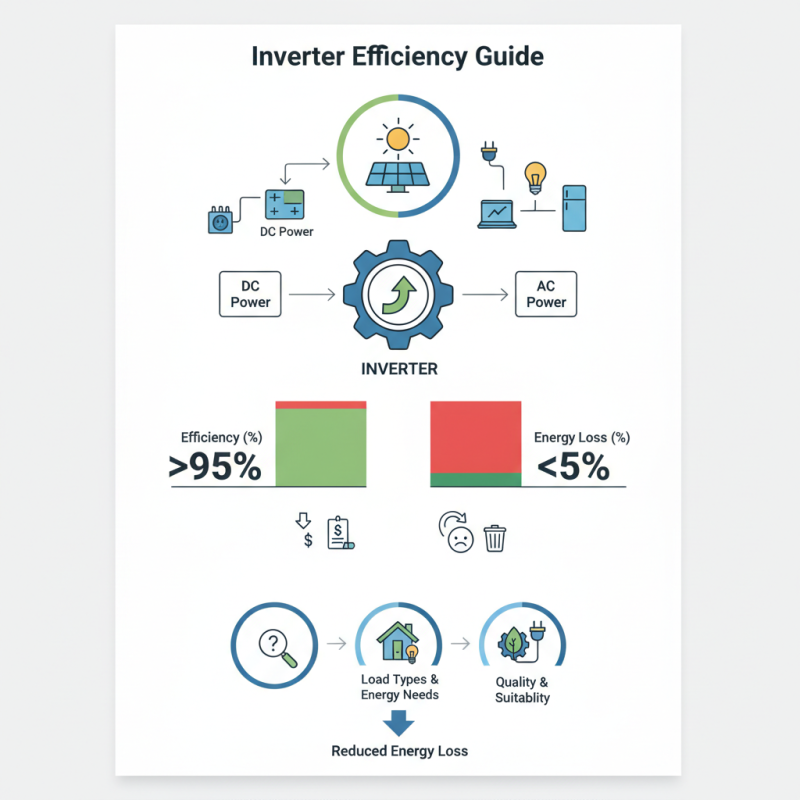
Choosing the right inverter is crucial for maximizing energy efficiency. Inverters play a key role in converting DC power to AC power, which is essential for household use. Understanding their basic functionality aids in making an informed choice. They manage energy flow from solar panels or batteries to your home appliances. Inverters come in two main types: string inverters and microinverters. Each has its advantages depending on your setup.
Tips for selecting an inverter include assessing your energy needs carefully. Calculate the total wattage required for all devices you plan to use. Also, consider the inverter's efficiency ratings. High efficiency means less energy loss, leading to savings on electricity bills. Lastly, think about features like monitoring systems. They help you track performance and identify any issues promptly.
When making your choice, be aware of potential drawbacks. Some inverters can overheat in extreme conditions, impacting lifespan. Additionally, installation can be complex. A poorly installed unit may not perform optimally, leading to unexpected energy losses. Stay informed and consult resources tailored to inverter systems. This knowledge will empower you to make a better choice for your energy needs.
This chart illustrates the energy loss percentages across different types of inverters based on efficiency ratings. The data presented includes three common inverter types: String Inverter, Microinverter, and Power Optimizer.
When selecting an inverter, several key factors become vital to minimize energy loss. Efficiency ratings are crucial. A higher efficiency means less wasted energy. Look for inverters that boast above 90% efficiency. However, don't just focus on the numbers. Real-world performance can vary based on environmental conditions.
Additionally, consider the inverter's capacity. It should match your power needs during peak usage. Too small an inverter can lead to overload, causing it to fail. This not only results in wasted energy but can also damage your equipment. Analyze your load profile carefully.
Another important aspect is the inverter's features. Many modern inverters come with built-in monitoring systems. These can help track energy production and loss. Regularly reviewing this data encourages proactive adjustments. Reflect on how often these features can enhance your setup. A little research can have significant long-term benefits.
When selecting an inverter, efficiency ratings play a crucial role in reducing energy loss. Efficiency is typically indicated by the percentage of energy converted from direct current to alternating current. A higher efficiency rating means less energy wasted during conversion. Look for inverters with superior efficiency, usually starting at 90% and going up. However, it’s important to evaluate these ratings carefully. Some manufacturers may present ideal conditions that won’t mirror real-world performance.
Performance goes beyond just numbers. The inverter's ability to handle varying loads and environmental conditions matters. For instance, temperature fluctuations can impact efficiency. Regular performance testing under diverse conditions can reveal potential shortcomings. Take note of the inverter's cooling system as well. An efficient cooling solution can significantly enhance performance and longevity while minimizing energy loss.
Don’t overlook warranty options and customer reviews. These insights can highlight real user experiences. A reliable inverter should offer good support for troubleshooting and maintenance. Gathering information from various sources can arm you with the knowledge to make a more informed decision. A well-chosen inverter not only optimizes energy use but also contributes to sustainable practices. However, always be prepared to reassess your choice as technology and needs evolve.
When selecting an inverter, understanding different types can make a significant impact on energy loss. The most common types are string, micro, and central inverters. String inverters are often preferred for their cost-effectiveness. However, they perform less efficiently when some panels are shaded. Microinverters offer better performance in such cases, converting energy at each panel level. This can minimize energy loss, especially in complex installations.
Central inverters are typically used in large systems. They usually have higher efficiencies but can create bottlenecks. If part of the system experiences issues, the entire output can drop. Regular maintenance is crucial to ensure optimal performance. Yet, even with great specifications, real-world conditions often lead to unexpected losses. Inverter efficiency can vary based on factors like temperature and panel orientation. Understanding these aspects will guide your choice effectively.
| Inverter Type | Efficiency (%) | Energy Loss (kWh) | Best Use Case |
|---|---|---|---|
| String Inverter | 95.0 | 300 | Residential Solar Systems |
| Micro Inverter | 97.0 | 250 | Small Roof Spaces |
| Power Optimizer | 96.5 | 275 | Shaded Areas |
| Hybrid Inverter | 94.0 | 320 | Grid-Tied with Battery Storage |
| Central Inverter | 98.0 | 200 | Large Scale Solar Farms |
When installing an inverter, proper setup and regular maintenance are essential for peak performance. According to the National Renewable Energy Laboratory, poor installation can lead to as much as 20% energy loss. Ensuring that your inverter is installed according to local codes and regulations can significantly enhance efficiency. Proper positioning, ideally in a shaded area to avoid overheating, is crucial.
Maintenance should not be overlooked. Regular visual inspections can help identify issues early. Dust and debris buildup can hinder performance, leading to energy loss over time. Consider cleaning the inverter and surrounding area every few months. If the inverter has any indicators for faults or warnings, address them promptly to prevent further complications.
Tip: Keep an eye on temperature. An inverter operating above its rated temperature can suffer from reduced efficiency. Additionally, monitoring energy output can help you detect potential malfunctions early. If you notice inconsistencies, consult an expert for further evaluation.
: Efficiency ratings indicate how much energy is converted from direct current to alternating current. Higher ratings mean less energy waste.
Look for inverters with efficiency ratings starting at 90% or higher. However, assess these ratings with caution.
Temperature fluctuations can impact an inverter’s efficiency. Regular performance testing can reveal potential issues.
An efficient cooling system enhances performance and longevity. It minimizes energy loss and improves overall efficiency.
Warranty options and customer reviews provide valuable insights. They show real user experiences and support levels.
String, micro, and central inverters each have unique impacts. String inverters can struggle with shading, while microinverters perform better.
Central inverters have higher efficiencies but can cause bottlenecks. Issues in one area can affect the entire system.
Regular maintenance ensures optimal performance. Even well-rated inverters can underperform under real-world conditions.
Gather information from various sources. Understanding your specific needs and technology trends will guide your choice.
Yes, always be prepared to reassess. Technology and your energy needs may evolve, requiring adjustments.
When considering how to reduce energy loss with a good inverter, it’s essential to understand the basics of inverter functionality and the various factors that influence their performance. Key considerations include the inverter's efficiency ratings, which play a critical role in determining how much energy is wasted during conversion. By comparing different types of inverters, users can identify models specifically designed to minimize energy loss.
Moreover, proper installation and regular maintenance are crucial for ensuring optimal inverter performance. By following best practices, users can enhance energy efficiency and prolong the life of their inverters, ultimately leading to reduced energy costs and a lower environmental impact. Employing these strategies is vital for anyone looking to make informed decisions in their quest for energy efficiency.

Sriram Electricals